The Digital Silk Road: Growing a Kimono Influencer Brand

The Rise of the Digital Kimono Community
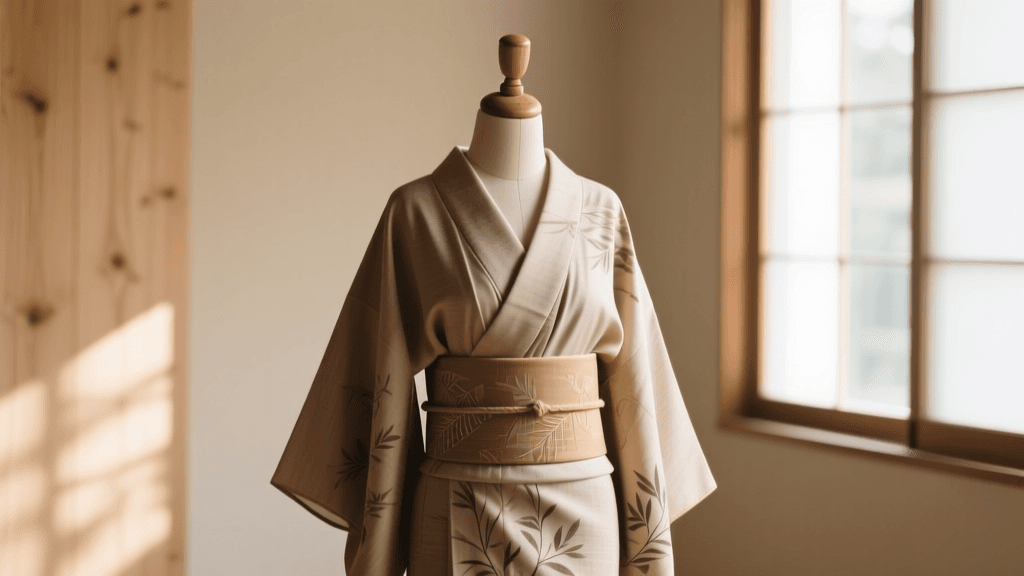
The traditional Japanese garment has experienced a massive renaissance over the last decade, transitioning from localized, strict dressing schools to a vibrant, global digital movement. Today, kimono influencers, vloggers, and content creators are bridging the gap between antique textile markets in Kyoto and Gen Z fashion enthusiasts in New York, London, and Paris. This digital silk road is paved with hashtag communities, YouTube tutorials, and TikTok transitions that showcase the breathtaking beauty of garments like the houmongi (visiting kimono) and the intricate weaving of tsumugi (pongee silk).
Building a brand in this niche requires more than just a pretty aesthetic; it demands a deep respect for Japanese cultural heritage, an understanding of textile conservation, and the technical skills to capture the subtle sheen of silk on camera. As highlighted by the Victoria and Albert Museum's landmark exhibition, the kimono is not a static historical artifact but a dynamic, evolving fashion statement that continues to captivate global audiences. Furthermore, as BBC Culture notes, the modern revival of the kimono is heavily driven by digital communities and young creators who are redefining how these garments are worn and appreciated today.
Choosing Your Platform: Where Does Kimono Content Thrive?
Not all social media platforms treat traditional textiles equally. The algorithmic preferences of each platform dictate how you should present your kitsuke (dressing) skills and textile knowledge. Below is a strategic comparison of where kimono content performs best.
| Platform | Best Content Style | Audience Intent | Monetization Potential |
|---|---|---|---|
| High-res OOTD, Reels of obi tying, carousel posts detailing wagara (patterns). | Visual inspiration, fashion styling, aesthetic appreciation. | High (Brand deals, affiliate links, sponsored posts). | |
| YouTube | Long-form kitsuke tutorials, vintage kimono hauls, textile history deep-dives. | Education, step-by-step learning, community building. | Medium-High (AdSense, Patreon, dedicated sponsors). |
| TikTok | Quick transitions, thrift store finds, "get ready with me" (GRWM) styling hacks. | Entertainment, viral trends, quick dopamine hits. | Low-Medium (Creator fund, driving traffic to other platforms). |
| Reddit / Facebook | Q&A, authentication requests, marketplace trading, historical discussions. | Deep-dive research, peer support, buying/selling. | Zero direct (Builds authority and trust for external monetization). |
Sourcing and Styling for the Camera
As a kimono vlogger, your wardrobe is your primary investment. However, buying kimono for digital content requires a different strategy than buying for personal wear. You must consider how colors translate on screen and how patterns scale in a vertical video format.
The Economics of a Starter Vlogging Wardrobe
When starting out, avoid the temptation to purchase expensive, formal furisode or uchikake. Instead, focus on vintage komon (everyday kimono with repeating patterns) and tsukesage (semi-formal kimono). You can source these from online auction houses like Yamatoku or specialized eBay sellers.
- Vintage Komon: $40 - $120 USD. Excellent for daily vlogs, GRWM content, and experimenting with modern obi pairings.
- Silk Nagoya Obi: $30 - $80 USD. Easier to tie on camera than a formal fukuro obi, allowing for quicker video pacing.
- Kitsuke Accessories Kit: $45 USD. Includes three koshihimo (tying cords), one datejime (wide belt), an obi-ita (obi board for smoothness), and an obi-makura (obi pillow).
Sizing and Measurements for Video
Ill-fitting kimono look distracting on camera. When sourcing, always check the mihaaba (body width). For a visually pleasing overlap (the okumi), the kimono's total width should be at least your hip measurement plus 25 centimeters. Additionally, ensure the sodetake (sleeve drop) is at least 49cm to maintain traditional proportions, unless you are intentionally styling a modern, avant-garde look.
Lighting and Gear: Capturing the Soul of the Textile
Silk is notoriously difficult to film. The metallic threads in surihaku (foil imprint) and kinran (gold brocade) will blow out and appear as harsh white blobs under direct, harsh lighting. Conversely, the subtle damask weaves of rinzu silk will look completely flat if under-lit.
"The secret to filming silk is diffusion. Never point a bare LED directly at a kimono. Bounce your key light off a white wall or use a large softbox to wrap the light around the curves of the obi and the drape of the sleeves."
Recommended Vlogging Gear Setup
| Equipment Category | Starter Budget ($400) | Professional Setup ($1,500+) |
|---|---|---|
| Camera Body | Sony ZV-1 (Compact, great autofocus) | Sony A7 III or Fujifilm X-T4 (Superior color science) |
| Lens | Built-in zoom | 90mm f/2.8 Macro (Crucial for shibori and kasuri weave details) |
| Lighting | 18-inch Ring Light (Diffused with a white sheet) | Godox SL60W with a 35-inch Parabolic Softbox |
| Audio | Rode VideoMicro (On-camera) | DJI Mic or Rode Wireless GO II (Lapel for clear voiceover) |
Navigating Online Kimono Communities and Etiquette
The online kimono community is incredibly welcoming but fiercely protective of cultural integrity and historical accuracy. Platforms like the r/kimono subreddit and Facebook groups such as "Vintage Kimono Market" are invaluable resources, but they have strict, unwritten rules of etiquette.
Handling the Appropriation vs. Appreciation Debate
As an influencer, you will inevitably encounter discussions about cultural appropriation. The general consensus within the Japanese kimono community—and supported by organizations promoting traditional Japanese crafts globally—is that wearing kimono with respect, proper styling, and a desire to learn is a form of cultural appreciation. However, influencers must avoid treating the garment as a mere costume or sexualizing the silhouette. Always credit the artisans, explain the history of the wagara (patterns) you wear, and acknowledge the garment's cultural roots.
Community Rules of Engagement
- Never ask for price appraisals on family heirlooms in market groups. Groups dedicated to buying and selling are not free appraisal services. Use dedicated Q&A threads instead.
- Respect the kitsuke learning curve. If a beginner posts a photo with a crooked obi-jime (decorative cord) or incorrect collar alignment, offer gentle, constructive advice rather than harsh criticism.
- Avoid "Kimono Hacks" that damage the garment. Using safety pins, cutting fabric, or using hot glue to secure an obi is heavily frowned upon. Teach traditional, non-destructive folding and tying methods.
Monetization and Brand Partnerships
Once you have built a dedicated following, monetizing a kimono channel requires creativity, as mainstream fashion brands rarely sponsor traditional textile creators. Successful influencers rely on a mix of niche affiliate marketing, digital products, and community support.
Revenue Streams for Kimono Creators
1. Affiliate Marketing for Kitsuke Tools: Partner with online retailers that sell authentic zubon-clip (skirt clips used to hold the hem in place while dressing), erishin (collar stays), and modern tabi socks. These are high-conversion, low-cost items that your audience will need repeatedly.
2. Patreon and Digital Workshops: Offer tiered memberships where patrons get access to full-length, unedited kitsuke tutorials, PDF guides on identifying vintage silk types (like distinguishing meisen from habutae), and monthly live Q&A sessions.
3. Collaborations with Modern Artisans: Partner with contemporary kanzashi (hair ornament) makers, modern zori (sandal) designers, or independent dyers who create custom haori jackets. These creators benefit from your visual storytelling, and you can negotiate a revenue share on sales generated through your unique discount codes.
Conclusion: Weaving Your Digital Legacy
Becoming a successful kimono influencer is a marathon, not a sprint. It requires a delicate balance of aesthetic vision, technical photography skills, and a profound respect for the centuries of artistry woven into every thread. By choosing the right platforms, investing in proper lighting to honor the textiles, and engaging with the global community with humility and respect, you can build a thriving digital brand. In doing so, you become more than just a content creator; you become a vital thread in the digital silk road, ensuring that the magnificent tradition of Japanese garments continues to inspire the world for generations to come.