Douyin Street Style: Mastering the Modern Mamianqun Trend
The Douyin Hanfu Revolution: Streetwear Meets Tradition
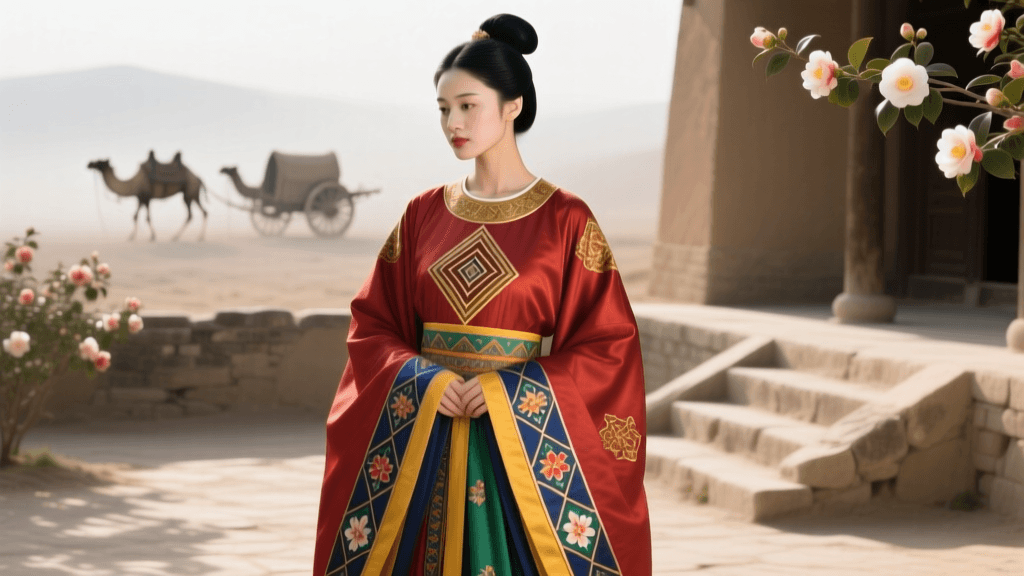
If you have spent any time on Douyin (the Chinese version of TikTok) or Xiaohongshu recently, you have undoubtedly witnessed the 'New Chinese Style' (Xin Zhongshi) explosion. Epicenters of street fashion like Chengdu’s Taikoo Li and Hangzhou’s West Lake are flooded with creators executing viral 'bianzhuang' (transformation) transitions, shifting from modern casual wear into breathtaking, historically rooted ensembles. At the absolute center of this algorithmic storm is the Mamianqun, or 'horse-face skirt.' Once relegated to museum archives and niche historical reenactment groups, the Mamianqun has been completely reimagined by Chinese street fashion influencers as the ultimate versatile statement piece for everyday urban wear.
This guide deconstructs the viral Douyin Mamianqun trend, providing actionable advice on sourcing, sizing, styling, and maintaining this iconic garment so you can authentically participate in one of the most exciting cultural fashion movements of the decade.
Deconstructing the Viral Mamianqun (Horse-Face Skirt)
The Mamianqun is a traditional Chinese skirt that originated in the Song Dynasty and reached its zenith in popularity during the Ming Dynasty. According to the Metropolitan Museum of Art's Heilbrunn Timeline of Art History, the Ming era was characterized by a resurgence of Han Chinese cultural identity and highly sophisticated textile weaving techniques, which directly influenced the intricate patterns seen on historical skirts.
Structurally, the skirt is a marvel of functional design. As detailed in historical textile archives, it consists of two overlapping rectangular panels of fabric. The front and back feature flat, unpleated sections (the 'horse faces'), while the sides are constructed with deep, sharp knife pleats. This design allowed for maximum modesty and ease of movement, originally making it ideal for horseback riding and daily labor. Today, Douyin influencers leverage this exact same structural brilliance to create dramatic, sweeping silhouettes that catch the wind during street-style video shoots.
Actionable Guide: Sizing and Measurements
Unlike Western wrap skirts, the Mamianqun relies on precise overlapping geometry to stay secure without zippers or buttons. Getting the measurements wrong results in either a skirt that flies open in the wind or one that restricts your stride. Here is how to measure for a street-style Mamianqun:
- Waist Measurement: Measure your natural waist. A traditional Mamianqun waistband is usually 8cm to 10cm wide. You must add at least 5cm to 7cm to your actual waist measurement to account for the overlapping front panels. For a 68cm waist, order a skirt with a minimum total waistband length of 75cm.
- Skirt Length: Douyin street style heavily favors the 'ankle-grazing' length. Measure from your natural waist down to about 2cm above the floor when wearing your preferred streetwear shoes. For most women between 160cm and 165cm tall, a skirt length of 95cm to 100cm provides that perfect, dramatic sweep without dragging in the dirt.
- Pleat Width: For the sharpest, most camera-ready look, look for skirts with 3cm to 4cm knife pleats. Wider pleats (5cm+) tend to look more casual and can add unwanted volume to the hips, which disrupts the sleek 'Xin Zhongshi' silhouette.
Fabric and Style Comparison Chart
Choosing the right fabric is critical for achieving specific Douyin aesthetics. The movement and light-reflection of the fabric dictate how the skirt performs on camera.
| Fabric Type | Best For | Douyin Trend Match | Price Range (USD) | Maintenance Level |
|---|---|---|---|---|
| Woven Jacquard | Autumn/Winter, structured looks | Cyber-Ming, Dark Academia, Techwear | $60 - $140 | Medium (Requires pleat clips for washing) |
| Pleated Chiffon | Spring/Summer, breezy transitions | Ethereal Fairy, Hanfu Transformation | $35 - $80 | Low (Holds pleats well, easy hand wash) |
| Heavy Brocade | Formal events, winter festivals | Traditionalist, Luxury Street | $120 - $250+ | High (Dry clean only, heavy to wear) |
| Cotton-Linen Blend | Daily wear, cafe hopping | Artsy, Minimalist New Chinese | $45 - $90 | High (Wrinkles easily, requires ironing) |
Influencer Styling Formulas: Mixing Eras
The core philosophy of the Douyin street fashion movement is anachronism—blending ancient silhouettes with hyper-modern streetwear. Here are three viral styling formulas you can replicate:
Formula 1: The 'Cyber-Ming' Urbanite
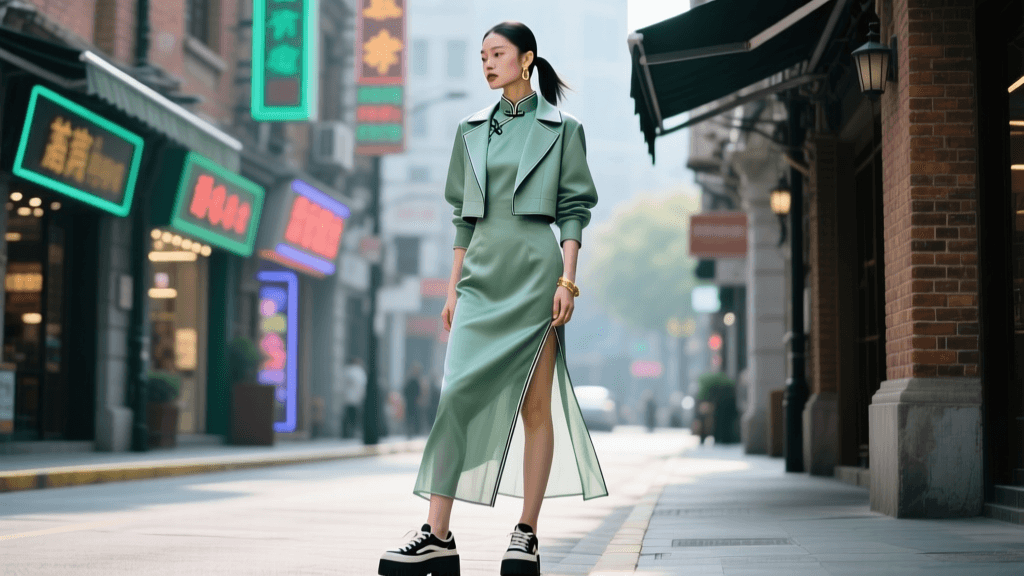
This look dominates the streets of Chengdu. Pair a dark, woven jacquard Mamianqun (featuring subtle metallic thread work) with an oversized, structured black blazer. Underneath, wear a fitted black turtleneck. The key to this look is footwear: abandon traditional embroidered shoes and opt for chunky, platform sneakers or heavy combat boots like Dr. Martens. The contrast between the delicate historical pleats and the aggressive, modern footwear creates a striking visual tension that performs exceptionally well on camera.
Formula 2: The 'Xin Zhongshi' (New Chinese) Minimalist
For a more refined, office-to-street aesthetic, choose a midi-length Mamianqun in a solid, muted tone like celadon, slate grey, or ivory. Pair it with a modern corset top or a cropped, tailored waistcoat. Cinch the waist with a thin leather belt featuring a jade or brass buckle. Finish the look with pointed-toe kitten heels or sleek leather Mary Janes. This formula highlights the architectural structure of the skirt while maintaining a contemporary, sophisticated profile.
Formula 3: Summer Breeze Street Snap
For warmer weather, Douyin creators utilize lightweight, gradient-dyed chiffon Mamianquns. Pair this with a simple, cropped linen top or a modern bandeau. Accessorize with a woven bamboo fan, modern geometric sunglasses, and a minimalist jade pendant necklace. The chiffon catches the wind beautifully, creating the slow-motion 'halo' effect favored by street photographers.
Sourcing and Cost Breakdown
To participate in this trend authentically, you must look toward the brands driving the modern Hanfu revival movement. While Western fast-fashion retailers have attempted to appropriate the design, the best quality and historical accuracy come from established Chinese brands on Taobao and Tmall.
- Shisanyu (十三余): Known for highly collaborative, pop-culture-infused designs. Excellent for beginners. Prices range from $50 to $100.
- Zhongling (钟灵记): Offers premium, historically accurate Jacquard and Brocade skirts with exquisite packaging. Expect to pay $90 to $180.
- Minghuatang (明华堂): The absolute pinnacle of luxury, museum-grade historical reproduction. A single skirt can cost upwards of $500 and requires a months-long waitlist. Best for serious collectors.
- Independent Taobao Makers: Search terms like 'Mamianqun daily wear' (马面裙 日常) will yield hundreds of independent shops offering budget-friendly, modernized versions for $30 to $60.
Caring for Your Pleats: The Secret to the Silhouette
The defining feature of the Mamianqun is its razor-sharp knife pleats. If the pleats blow out, the skirt loses its architectural magic. Douyin influencers swear by a specific maintenance routine:
- Pleat Clips (Baqun Jia): Before washing or storing, use specialized metal or plastic pleat clips to clamp the folds together. This is non-negotiable for jacquard and cotton fabrics.
- Washing: Never machine wash a structured Mamianqun. Hand wash in cold water with a mild, pH-neutral detergent. Do not wring or twist the fabric.
- Drying: Hang the skirt by the waistband in a shaded, well-ventilated area. The weight of the wet fabric will naturally pull the pleats straight.
- Storage: Never fold the skirt horizontally. Always hang it on a skirt hanger with claw clips gripping the waistband to prevent creasing across the 'horse face' panels.
Conclusion
The Douyin Mamianqun trend is far more than a fleeting internet aesthetic; it is a profound reclamation of cultural heritage by a new generation. By understanding the garment's historical roots, mastering the precise measurements, and embracing the bold, anachronistic styling formulas of Chinese street fashion, you can seamlessly integrate this masterpiece of textile engineering into your modern wardrobe.
'Fashion is not just about wearing clothes; it is about wearing your history. When a young person walks down the street in a Mamianqun paired with sneakers, they are not abandoning tradition—they are proving that tradition can survive the modern world.'