Sustainable Kimono Production: Ethical Silk and Dyes
The Shift Toward Sustainable Kimono Production
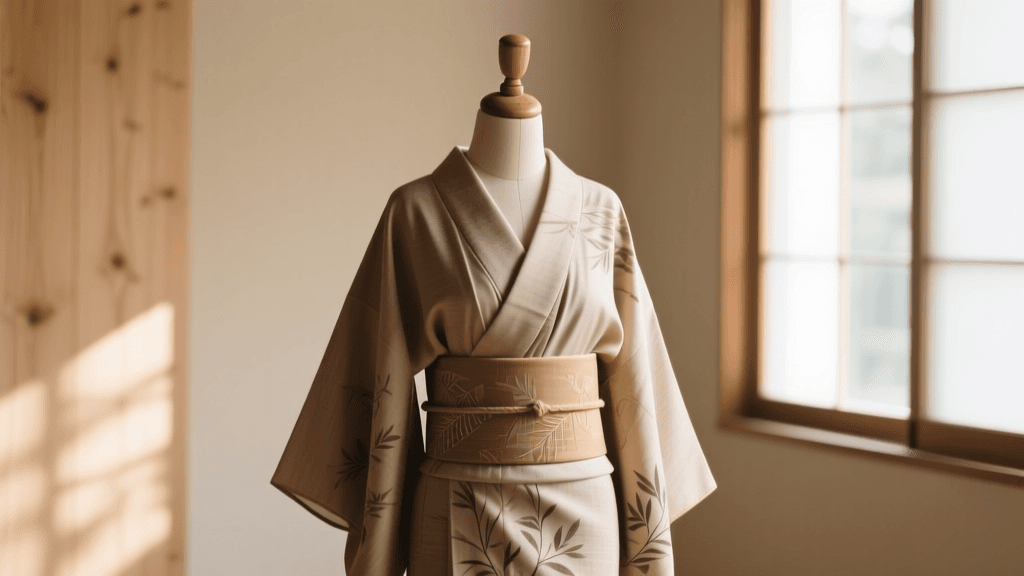
The kimono is globally recognized as a masterpiece of Japanese artistry, but the modern textile industry's environmental footprint has prompted a vital reevaluation of how these garments are made. While mass-produced, synthetic kimonos dominate the fast-fashion rental market, a dedicated movement of artisans, weavers, and eco-conscious consumers is reviving sustainable kimono production. This revival focuses on ethical sericulture, botanical dyeing, and zero-waste pattern cutting, ensuring that the garment of the future respects both the planet and the heritage of Japanese craftsmanship.
For collectors, cultural enthusiasts, and sustainable fashion advocates, understanding the nuances of eco-friendly kimono production is essential. From the lifecycle of the silk worm to the botanical origins of natural dyes, every step of traditional creation offers a masterclass in sustainability.
Ethical Silk: Tensan and Peace Silk
Conventional silk production involves boiling the silkworm cocoon with the pupa inside to prevent the moth from breaking the continuous silk thread. However, sustainable kimono production increasingly embraces ethical alternatives that prioritize animal welfare and biodiversity.
Tensan (Wild Silk)
Tensan is a rare, wild silk harvested from the Japanese oak silkmoth (Antheraea yamamai). Unlike domesticated mulberry silkworms, Tensan moths live freely in forested environments. The silk is harvested only after the moth has naturally emerged from the cocoon, making it a cruelty-free, vegan-adjacent textile. Because the moth breaks the cocoon, Tensan silk is spun rather than reeled, resulting in a textured, breathable, and incredibly durable fabric with a natural golden-green hue that requires no dye.
Ahimsa (Peace Silk)
Similar to Tensan, Ahimsa silk allows the moth to emerge before the cocoon is processed. While more common in India, Japanese ethical weavers are increasingly importing certified peace silk or applying Ahimsa principles to domestic sericulture. The resulting fabric has a slightly nubby texture, akin to raw linen, which is highly prized in modern, rustic-chic kimono styling.
Kusaki-Zome: The Art of Botanical Dyeing
Synthetic dyes, introduced in the late 19th century, brought vibrant colors but at a severe environmental cost, often introducing heavy metals and toxic runoff into local water systems. Sustainable kimono production relies on Kusaki-zome (plant-based dyeing), an ancient practice that utilizes roots, bark, leaves, and flowers.
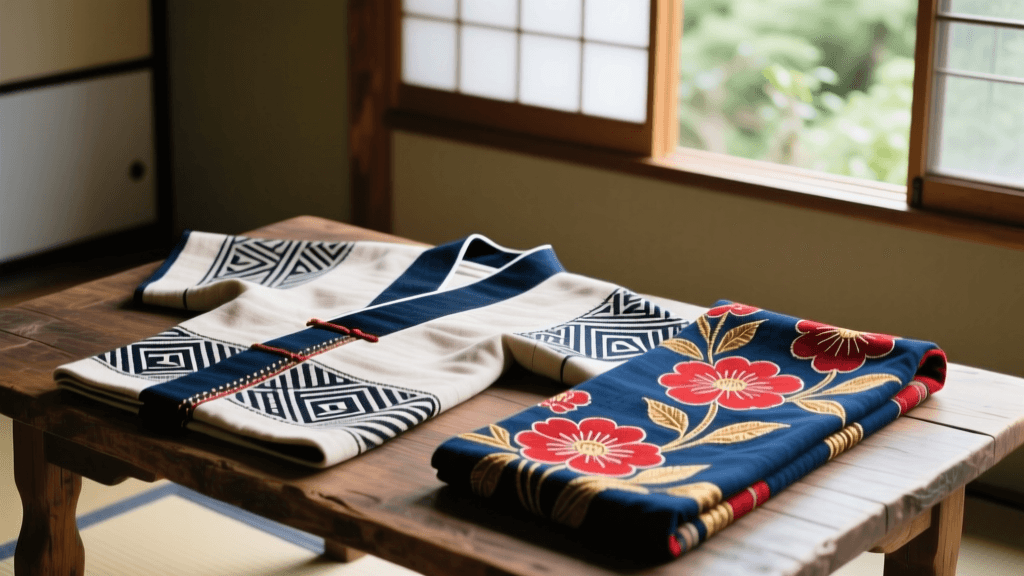
- Aizome (Indigo): Fermented indigo leaves (Persicaria tinctoria) create deep, colorfast blues. Indigo is naturally insect-repellent and antibacterial, making it highly practical for summer yukata and undergarments.
- Benibana (Safflower): Yields brilliant crimson and soft pinks. The extraction process is labor-intensive, requiring the careful separation of red and yellow pigments, which makes safflower-dyed kimonos highly valuable.
- Shikon (Gromwell Root): Produces rich, regal purples. Historically reserved for nobility, shikon is now cultivated sustainably in regions like Iwate Prefecture to support endangered botanical species.
Botanical dyes require a mordant (often alum or iron) to bind the color to the silk. Ethical artisans use naturally occurring, non-toxic mordants, ensuring that the wastewater can be safely returned to the earth.
Zero-Waste Design: The Tanmono System
Long before 'zero-waste fashion' became a modern buzzword, the kimono was engineered to eliminate textile waste. The fabric is woven in a standardized bolt known as a tanmono. A standard women's tanmono measures exactly 38 centimeters (15 inches) in width and 12 meters (13 yards) in length.
Unlike Western tailoring, which cuts curves and discards the negative space, a kimono is constructed from straight, rectangular panels cut directly from the tanmono. Every single centimeter of the 12-meter bolt is utilized in the final garment, including the overlapping front panels, the wide sleeves, and the collar. Furthermore, because the panels are sewn together using a simple running stitch, the kimono can be entirely disassembled, washed, re-dyed, and resewn, extending its lifespan across generations.
Conventional vs. Sustainable Kimono Production
Understanding the tangible differences between mass-market and artisanal kimonos helps justify the investment in sustainable pieces.
| Metric | Conventional Mass-Produced | Sustainable Artisanal |
|---|---|---|
| Material | Polyester or conventionally reeled silk | Tensan (wild silk), Ahimsa silk, organic hemp |
| Dyes | Synthetic azo dyes, chemical fixatives | Kusaki-zome (botanical), natural indigo fermentation |
| Water Usage | High; toxic runoff requires chemical treatment | Closed-loop systems; biodegradable wastewater |
| Lifespan | 5-10 years; degrades or goes out of style | Generational; can be disassembled and re-dyed |
| Labor | Factory-based, mechanized weaving | Hand-spun, hand-woven; supports rural artisan economies |
Sourcing and Verifying Ethical Kimonos
Acquiring a sustainably produced kimono requires navigating the landscape of Japanese traditional crafts. Here is a practical guide to sourcing, costs, and timelines.
What to Look For
When shopping, look for specific regional certifications. According to the Association for the Promotion of Traditional Craft Industries, designated crafts like Yuki-tsumugi (hand-spun silk pongee) and Ojiya-chijimi (crepe hemp) are strictly regulated to ensure traditional, eco-friendly methods are maintained. Yuki-tsumugi, recognized by UNESCO as an Intangible Cultural Heritage, utilizes floss silk that would otherwise be discarded, turning waste into luxury.
Costs and Timelines
Sustainable kimonos are an investment in slow fashion. Expect to pay between ¥300,000 and ¥1,500,000 ($2,000 to $10,000 USD) for a fully hand-woven, naturally dyed silk kimono. Custom botanical dyeing (kusaki-zome) can add an additional ¥50,000 to ¥150,000 to the base price. Because artisans hand-spin the yarn and ferment their own dye vats, the lead time for a bespoke, ethically produced kimono typically ranges from 6 to 14 months.
Where to Buy
While the Japan National Tourism Organization highlights various craft villages, buyers should seek out specialized galleries in Tokyo's Aoyama district or directly visit weaving cooperatives in regions like Ibaraki (for Yuki-tsumugi) and Tokushima (for Aizome indigo). Always request a shomeisho (certificate of authenticity) that details the origin of the silk and the botanical sources of the dyes.
Caring for Sustainably Produced Garments
Natural dyes and ethical silks require specialized care to maintain their integrity and color.
Mottainai (too good to waste) is the guiding philosophy of kimono care. Proper maintenance is not just about preservation; it is an act of environmental respect.
- Airing Out: After wearing, hang the kimono in a shaded, well-ventilated area for 24 hours. Never expose botanical dyes to direct sunlight, as UV rays will rapidly fade safflower and gromwell pigments.
- Spot Cleaning: Avoid harsh chemical dry cleaning, which strips natural oils from wild silk. For minor stains, use a damp cloth with a pH-neutral soap. For deep cleaning, seek out a arai-hari specialist who will disassemble the garment, wash the tanmono panels in natural soapberry water, and restitch them.
- Storage: Store the kimono in a breathable tatoushi (washi paper wrapper) inside a paulownia wood chest. Paulownia naturally regulates humidity and repels insects without the need for toxic mothballs, which can chemically react with natural indigo and cause discoloration.
By choosing sustainable kimono production, wearers do more than adorn themselves in beauty; they become active participants in preserving Japan's ecological balance and artisanal heritage for the centuries to come.