Cinematic Kimonos: Japanese Fashion In Global Pop Culture
The Silver Screen and the Silk Thread
The intersection of traditional Japanese garments and global pop culture is a fascinating study in visual storytelling, textile appreciation, and cross-cultural exchange. From the sweeping period dramas of Akira Kurosawa to the cyberpunk aesthetics of modern anime, the kimono and its associated garments—such as the haori (jacket), hakama (pleated trousers), and obi (sash)—have transcended their historical roots to become iconic symbols in global media. For collectors, cosplayers, and fashion enthusiasts, understanding how these garments are portrayed on screen offers a unique blueprint for sourcing and styling authentic pieces in the modern world.
Hollywood has long been captivated by the silhouette of the kimono. In films like Memoirs of a Geisha, costume designer Colleen Atwood utilized traditional chirimen (silk crepe) and elaborate yuzen dyeing techniques to convey the rigid social hierarchies and emotional landscapes of the characters. Conversely, science fiction and fantasy franchises have frequently borrowed from Japanese sartorial traditions to denote nobility, mysticism, or martial prowess. The Naboo royal outfits in Star Wars: Episode I - The Phantom Menace heavily reference the layered juni-hitoe and the structural volume of the obi, blending traditional Japanese textiles with futuristic tailoring.
Cyberpunk, Anime, and the Evolution of the Silhouette
In the realm of anime and cyberpunk media, traditional garments are frequently reimagined through a utilitarian or avant-garde lens. The Ghost in the Shell franchise often juxtaposes hyper-modern technology with the flowing, restrictive drape of traditional kimono silhouettes, creating a visual metaphor for the tension between humanity and machinery. Similarly, the explosive global success of Demon Slayer: Kimetsu no Yaiba has sparked a massive resurgence in the demand for haori featuring bold, geometric ichimatsu (checkerboard) and seigaiha (ocean wave) patterns.
According to the Victoria and Albert Museum's landmark exhibition on the kimono, the garment has never been a static relic; it is a dynamic fashion item that has continuously influenced and been influenced by global trends. The V&A highlights how the structural deconstruction of the kimono by avant-garde designers like Yohji Yamamoto and Rei Kawakubo in the 1980s paved the way for its acceptance in Western high fashion, which in turn trickled down into the costume design of global cinema and media.
'The fundamental structure of the kimono, with its straight seams and T-shape, allows the textile itself to become the primary canvas for artistic expression, a concept that global cinema has leveraged to instantly communicate character depth and cultural setting.' — The Metropolitan Museum of Art, Heilbrunn Timeline of Art History
Cinematic Kimono Archetypes: A Comparative Guide
When sourcing garments inspired by pop culture, it is vital to understand the distinct archetypes that dominate different genres. Below is a comparison chart to help you identify the right textile and styling approach for your collection or event.
| Pop Culture Genre | Signature Garment | Key Textile / Material | Modern Styling Tip |
|---|---|---|---|
| Sci-Fi / Cyberpunk | Uchikake / Tech-wear Hakama | Synthetic blends, Neoprene, Metallic threads | Layer over tactical bodysuits, pair with combat boots and utility belts. |
| Period Drama | Furisode & Maru Obi | Silk Chirimen (Crepe), Rinzu (Damask) | Use a modern, casual hanhaba obi for streetwear; reserve heavy brocade for formal galas. |
| Shonen Anime | Haori & Hakama | Cotton, Polyester Jacquard | Wear an open haori over a fitted turtleneck and tailored trousers for a sophisticated convention look. |
| High Fashion / Editorial | Deconstructed Kimono | Raw Silk, Upcycled Vintage Obi | Belt a vintage kimono at the waist with a wide leather corset belt over denim. |
Actionable Guide: Sourcing Screen-Accurate and Vintage Pieces
For fans and collectors looking to acquire garments that mirror the quality and aesthetic of cinematic costumes, navigating the vintage and replica market requires specific knowledge. Mass-produced 'costume' kimonos found on fast-fashion sites often feature incorrect proportions, cheap polyester that traps heat, and culturally inaccurate left-over-right closures (the right-over-left style is strictly reserved for dressing the deceased). Ethical sourcing means investing in authentic vintage pieces or commissioning from verified artisans.
Crucial Measurements for the Global Buyer
Unlike Western clothing, kimonos are not sized by chest or waist, but by length and sleeve span. When browsing archives like the Kyoto Costume Institute or purchasing from Japanese export sites, you must know your metrics:
- Yuki (Sleeve Length): Measured from the center back of the neck, across the shoulder, to the wrist. For most Western buyers, a yuki of 65cm to 75cm is ideal. If the yuki is too short, the garment will look ill-fitted and restrict movement.
- Mitake (Back Length): Measured from the base of the neck to the heel. A standard kimono should fall exactly to the ankle. To wear a kimono traditionally with an ohashori (the waist fold that adjusts the length), you need an extra 30cm to 40cm of fabric beyond your floor length.
- Sode (Sleeve Drop): This defines the formality and genre. A Furisode (long, swinging sleeves, 100cm+ drop) is highly formal and dramatic, often seen in period dramas. A Komon or standard haori has a shorter drop (around 50cm), making it practical for modern pop-culture events and conventions.
Budgeting and Timing Your Purchases
Building a cinematic wardrobe does not require a Hollywood budget, provided you shop strategically. The best time to source high-quality vintage silk from Japan is during the New Year (Shogatsu) sales in January, or during the late summer Obon festival clearances when estates and thrift stores liquidate inventory.
- Vintage Haori (Jackets): $40 - $150. Excellent for anime cosplay and casual layering. Look for hand-painted Yuzen motifs on the inner lining.
- Silk Komon (Everyday Kimono): $100 - $300. Features repeating patterns, perfect for replicating the understated elegance of cinematic background characters or modern streetwear styling.
- Formal Furisode (Vintage): $250 - $800. The ultimate statement piece for red-carpet events or high-end cosplay. Ensure the silk is not 'shattered' (dry-rotted) by gently testing the fabric's tensile strength at the seams.
- Obi (Sashes): $30 - $200. A vintage Maru Obi (heavy brocade) can serve as a stunning table runner or wall art if too fragile to wear, while a Nagoya Obi is practical for dressing.
Styling Traditional Garments for Pop-Culture Events
Wearing traditional Japanese garments at global pop-culture events, comic conventions, or fashion week requires a balance of cultural respect and creative expression. The key to avoiding caricature is to treat the garment with the same sartorial respect as a tailored Western suit or a haute couture gown.
If you are styling a haori inspired by anime, avoid pairing it with cheap, synthetic wigs or exaggerated theatrical makeup unless you are in a designated cosplay competition zone. Instead, integrate the haori into a modern wardrobe: pair a dark, geometrically patterned vintage haori with a crisp white button-down shirt, a slim black tie, and tailored trousers. This approach, often seen in the street fashion of Harajuku and Daikanyama, honors the textile's origins while adapting it for a contemporary, globalized context.
For those replicating the high-fashion, avant-garde kimono looks seen on the runways of Alexander McQueen or John Galliano, focus on the manipulation of the obi. You can use a vintage, stiff brocade obi as a dramatic corset or belt over a minimalist slip dress, allowing the intricate gold and silver kinpaku (gold leaf) threads to catch the light. This method celebrates the unparalleled craftsmanship of Japanese weavers without appropriating the sacred or highly formal rules of traditional kimono dressing.
Conclusion: Preserving the Narrative
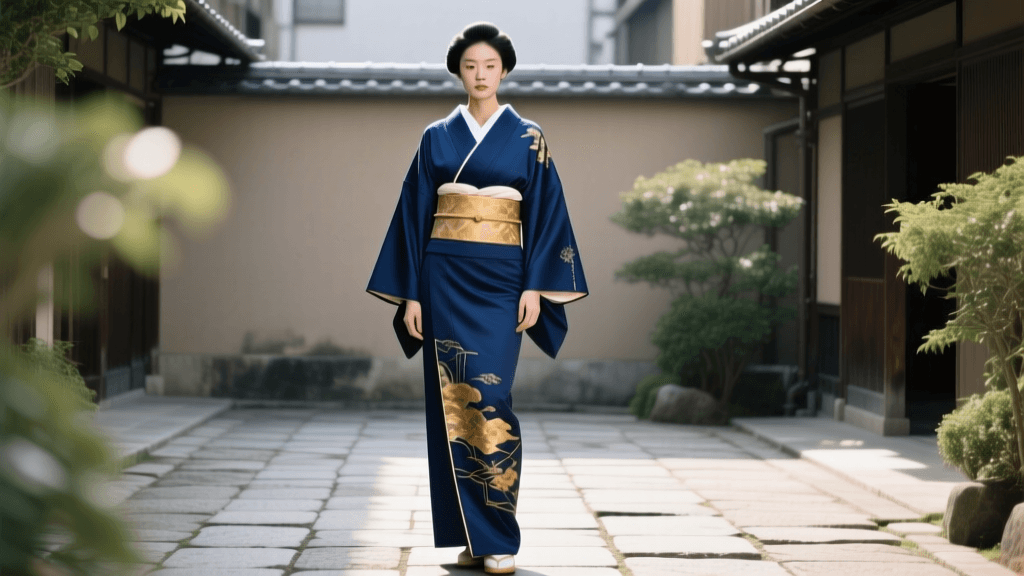
The journey of the kimono from the quiet streets of Kyoto to the explosive, CGI-laden screens of global blockbusters is a testament to the garment's enduring visual power. By understanding the textiles, mastering the measurements, and sourcing ethically, fans and collectors can participate in this ongoing cultural dialogue. Whether you are donning a silk haori to honor your favorite anime protagonist or styling a vintage obi for a high-fashion editorial, you are helping to keep the intricate, woven history of Japanese fashion alive in the modern imagination.