Vintage Japanese Textiles: Shibori, Yuzen, and Kasuri Guide
The Enduring Legacy of Japanese Textile Arts
For centuries, the island nation of Japan has produced some of the most intricate and visually stunning textiles in the world. The intersection of meticulous craftsmanship, natural dyes, and profound cultural philosophy has resulted in garment traditions that remain highly sought after by collectors, fashion historians, and textile enthusiasts today. According to the Metropolitan Museum of Art's Asian Art Department, Japanese textiles are not merely functional garments; they are canvases that reflect the social status, seasonal awareness, and aesthetic sensibilities of their wearers.
For the modern collector and enthusiast, navigating the vintage market requires a trained eye. Understanding the distinct differences between the three major traditional techniques—Shibori, Yuzen, and Kasuri—is essential for authenticating pieces, determining fair market value, and properly preserving these delicate artifacts. This comprehensive guide will equip you with the actionable knowledge needed to identify, source, and care for vintage Japanese textiles.
Shibori: The Tactile Art of Shaped Resist
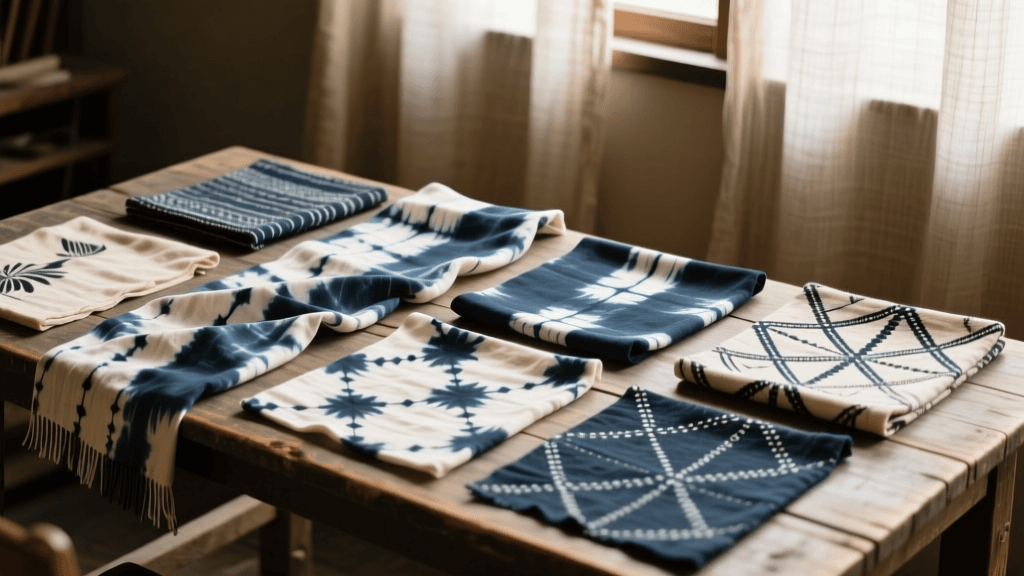
Derived from the Japanese verb shiboru (to wring, squeeze, or press), Shibori is a shaped-resist dyeing technique that creates organic, three-dimensional patterns on fabric. Unlike flat surface printing, Shibori physically manipulates the cloth before it enters the indigo or synthetic dye vat. The bound, folded, or clamped areas resist the dye, leaving striking white or light-colored patterns against a deeply saturated background.
Identifying the Four Main Shibori Techniques
- Kanoko Shibori (Fawn Spot): This is the most recognizable and labor-intensive form, resembling tie-dye but with far more precision. Artisans pinch tiny sections of silk and bind them tightly with thread before dyeing. Authentication Tip: Examine the reverse side of the fabric. Authentic hand-tied Kanoko will show distinct puckering (called shibo) and tiny, irregular stitch marks. Machine-made imitations will lie completely flat.
- Miura Shibori (Looped Binding): Utilizing a specialized hooked needle, the artisan loops the thread around the fabric without tying a knot, relying on the tension of the wrapped thread to create resist patterns. It results in softer, water-like ripple patterns.
- Arashi Shibori (Storm Pattern): The fabric is wrapped diagonally around a wooden or PVC pole, tightly bound with thread, and then compressed downwards. This creates dramatic, diagonal, rain-like streaks. Market Cost: Vintage Arashi Shibori haori jackets typically range from $120 to $350, depending on the silk quality and indigo depth.
- Itajime Shibori (Clamp Resist): Fabric is folded into geometric shapes and sandwiched between carved wooden blocks or acrylic shapes before dyeing, yielding repeating, symmetrical geometric patterns.
Yuzen: Paste Resist and Painted Elegance
While Shibori relies on physical manipulation, Yuzen relies on chemical barriers. Invented in the late 17th century by Miyazaki Yuzensai, this technique uses a thick, water-soluble rice paste (itome-nori) applied to the fabric to outline designs. Once the paste dries, artisans can paint vibrant, multi-colored dyes directly onto the silk without the colors bleeding into one another.
Kyo-Yuzen vs. Kaga-Yuzen
When browsing the collections documented by the Kyoto National Museum, you will frequently encounter two distinct regional styles of Yuzen:
- Kyo-Yuzen (Kyoto Style): Characterized by bold, stylized, and often asymmetrical designs. It frequently incorporates gold leaf (surihaku) and embroidery. The color palette is vibrant and diverse, reflecting the aristocratic tastes of the imperial capital.
- Kaga-Yuzen (Kanazawa Style): Famous for its hyper-realistic, nature-inspired motifs, such as autumn leaves, flowers, and birds. Kaga-Yuzen strictly utilizes a defined five-color palette (Kaga Gosai: indigo, crimson, ochre, grass green, and royal purple) and features a signature technique called mushi-kui, where the edges of leaves are dyed to look as though they have been eaten by insects, embracing the wabi-sabi philosophy of natural imperfection.
"The beauty of Yuzen lies not just in its vibrant colors, but in the delicate white outline left by the rice paste, which acts as a luminous border that makes the painted motifs truly pop against the silk."
Kasuri: The Magic of Pre-Dyed Threads
Kasuri is the Japanese iteration of Ikat. Unlike Shibori and Yuzen, which dye the fabric after it has been woven, Kasuri involves dyeing the threads before they are woven on the loom. Artisans tightly bind specific sections of the warp (vertical) and weft (horizontal) cotton or silk threads with hemp or cotton string to resist the indigo dye. When the threads are later woven together, the pre-dyed patterns align to create the final image.
Authentication Tip: The hallmark of authentic Kasuri is the "blur" or "haze" (kasuri literally translates to "blurred pattern") at the edges of the motifs. Because it is nearly impossible to align thousands of dyed threads with microscopic perfection on a handloom, the resulting geometric or folk-art motifs will always have slightly fuzzy, bleeding edges. If the edges are razor-sharp, the textile is likely a modern, screen-printed imitation.
Comparative Analysis: Identifying the Techniques
To assist collectors in quickly categorizing vintage finds, refer to the comparison chart below. This data reflects current market trends for mid-to-late 20th-century vintage garments (such as haori, kimono, and obi) in good, wearable condition.
| Technique | Primary Visual Identifier | Production Method | Common Vintage Garments | Avg. Market Cost (USD) |
|---|---|---|---|---|
| Shibori | Puckered texture, organic/abstract patterns, tactile surface. | Shaped resist (binding, folding, clamping) on woven fabric. | Haori, Juban (under-kimono), Yukata. | $80 - $450 |
| Yuzen | Crisp white outlines, vibrant multi-color gradients, painted motifs. | Paste resist applied to woven fabric, followed by hand-painting. | Formal Kimono (Tomesode, Furisode), Maru Obi. | $150 - $1,200+ |
| Kasuri | Fuzzy/blurred edges, geometric or folk motifs, flat weave. | Resist dyeing on loose warp/weft threads prior to weaving. | Tanzen (padded robes), Noragi (work jackets), Futon covers. | $60 - $300 |
Practical Sourcing and Market Pricing
Sourcing authentic vintage Japanese textiles requires looking beyond standard thrift stores. The most lucrative hunting grounds include specialized online auctions, proxy bidding services, and estate sales. Platforms like Yahoo! Auctions Japan (accessible via proxy services like Buyee or ZenMarket) offer the deepest inventory. When searching, use specific Japanese terminology: search for shibori (絞り), yuzen (友禅), and kurume-kasuri (久留米絣).
Inspection and Condition Reports
When evaluating a piece online or in person, always check for the following condition issues, which drastically affect value:
- Shimi (Stains): Silk is highly susceptible to water spots and oil stains. Hold the fabric up to the light; dark, localized spots indicate permanent damage.
- Kabi (Mold): Japan's humid climate makes mold a persistent threat. Look for small, powdery black or white clusters, often hidden in the folds or along the hem. Mold can sometimes be professionally cleaned, but it is a risky investment.
- Iro-yake (Fading): Inspect the shoulders and back of the garment. Prolonged exposure to sunlight on display racks causes irreversible fading, particularly in natural indigo Kasuri and Yuzen reds.
Archival Care and Preservation
Preserving vintage textiles is an ongoing commitment. The Victoria and Albert Museum's Asian Collections department emphasizes that improper storage is the leading cause of textile degradation. To ensure your Shibori, Yuzen, and Kasuri pieces survive for future generations, follow these strict preservation protocols.
Cleaning Protocols
Never machine wash or hand wash vintage silk kimono or haori. Water will cause the rice paste sizing to dissolve, leading to severe shrinkage, dye bleeding, and the loss of the fabric's structural drape. For surface dust, gently use a soft-bristled garment brush. For stains, seek out a dry cleaner who specializes in vintage kimono (often referred to as shimai-arai in Japanese cleaning services), which utilizes specialized solvents that do not strip natural dyes.
Storage Parameters
Proper storage is critical to preventing crease cracking and pest infestations.
- Acid-Free Tissue: Always wrap vintage silk and cotton in unbuffered, acid-free tissue paper. Standard tissue paper contains acids that will yellow and degrade natural fibers over time.
- The Rolling Method: Avoid folding garments along the same lines repeatedly, as the stress will cause the silk threads to snap at the creases. Instead, roll the garment around an acid-free cardboard tube padded with cotton batting.
- Climate Control: Store textiles in a dark, climate-controlled environment. The ideal parameters are 65°F (18°C) with a relative humidity of 50%. Fluctuations in humidity cause fibers to expand and contract, weakening the weave.
- Pest Deterrents: Avoid chemical mothballs, which leave a toxic, nearly impossible-to-remove odor on silk. Instead, use natural blocks of Hinoki cypress or a 60/40 blend of camphor and cedar, placing them in the corners of your storage chests, never touching the fabric directly.
Conclusion
Collecting vintage Japanese textiles is a deeply rewarding pursuit that connects you to centuries of artisanal mastery. Whether you are drawn to the tactile, indigo-soaked depths of Shibori, the pictorial elegance of Yuzen, or the rustic, geometric charm of Kasuri, each garment tells a unique story. By understanding the technical nuances of these dyeing and weaving methods, and by committing to rigorous archival preservation, you become not just a collector, but a custodian of Asian cultural heritage.