How to Style Yukata and Haori for Everyday Casual Wear
The Renaissance of Everyday Wafuku
The global fascination with Japanese traditional clothing, collectively known as wafuku, has historically been confined to formal ceremonies, seasonal festivals, and curated tourist experiences. However, a growing movement of fashion enthusiasts and cultural preservationists are reclaiming these garments for everyday, casual wear. By stripping away the rigid rules of formal kitsuke (the art of dressing in kimono) and embracing the versatility of pieces like the yukata and the haori, you can seamlessly integrate centuries of Japanese textile artistry into a modern, functional wardrobe. This guide explores how to style, source, and care for casual traditional Japanese garments in contemporary, urban settings.
Understanding the Canvas: Yukata and Haori
Before diving into modern styling, it is essential to understand the structural differences between formal kimono and their casual counterparts. The Metropolitan Museum of Art notes that while the basic T-shaped silhouette of Japanese garments has remained remarkably consistent since the Edo period, the materials, layering, and motif placement dictate their formality. For everyday wear, we focus on two primary garments: the yukata and the haori.
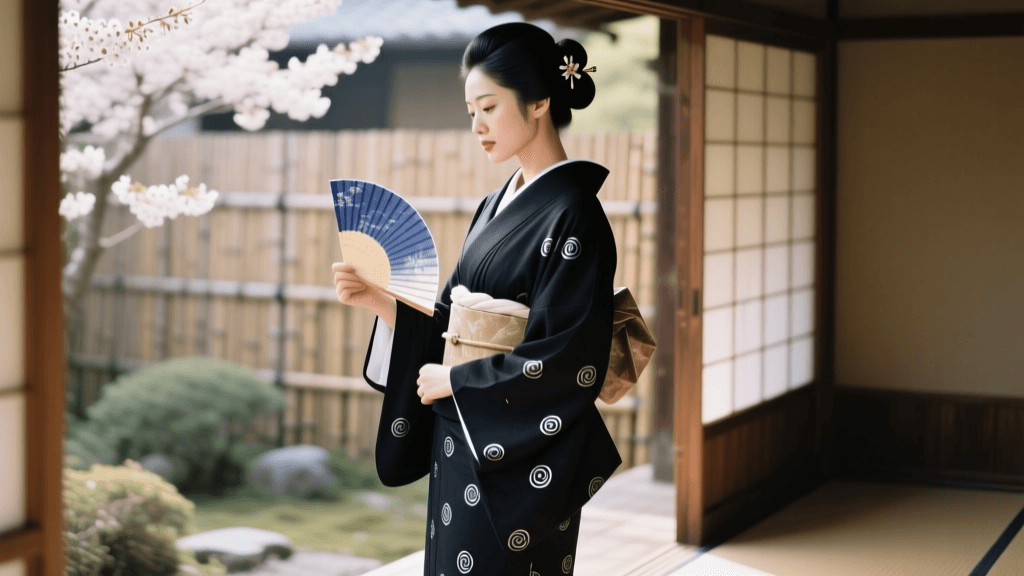
The yukata is an unlined, lightweight robe originally worn by the nobility as a bathrobe before evolving into the standard summer festival attire for all classes. Today, it is typically made from breathable cotton, linen, or modern polyester blends. The haori, conversely, is a traditional hip- or thigh-length jacket worn over a kimono. Historically reserved for men or specific samurai classes, the haori became a staple of women's fashion in the early 20th century and is now the most versatile piece for cross-cultural styling.
Comparison Chart: Formal vs. Casual Japanese Garments
To understand why the yukata and haori are superior for daily wear, consider the practical differences in time, cost, and physical comfort compared to formal silk kimono.
| Feature | Formal Silk Kimono | Casual Yukata | Modern Haori Jacket |
|---|---|---|---|
| Material | Heavy Silk, Brocade | Cotton, Linen, Polyester | Silk, Wool, Cotton, Denim |
| Layers Required | 3-5 (Nagajuban, Datejime, etc.) | 1-2 (Undergarment, Yukata) | 1 (Worn over western clothes) |
| Setup Time | 30-60 Minutes | 5-10 Minutes | Less than 1 Minute |
| Average Cost (USD) | $300 - $3,000+ | $40 - $150 | $30 - $200 |
| Footwear | Tabi socks, Zori sandals | Geta or barefoot/sneakers | Any western footwear |
Actionable Styling: The Haori as a Modern Duster
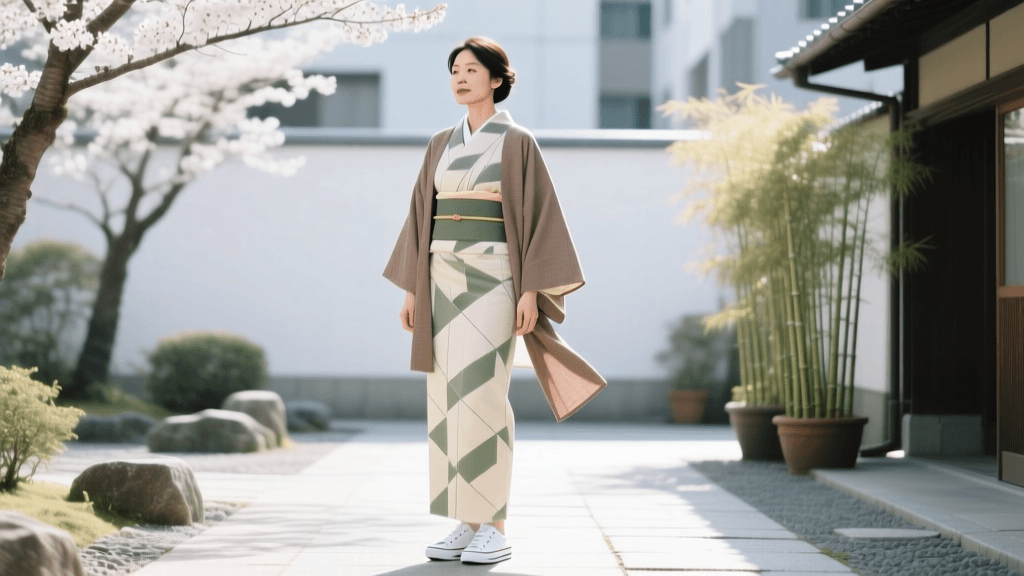
The haori is arguably the easiest entry point into everyday wafuku. Because it is worn open and does not require an obi (sash) to secure it to the body, it functions exactly like a modern duster coat, cardigan, or light jacket.
The Denim and Haori Combination
For a striking weekend outfit, pair a vintage silk haori with dark-wash straight-leg denim and a crisp, high-quality white t-shirt. The contrast between the utilitarian denim and the intricate, hand-dyed yuzen patterns of the haori creates a sophisticated, bohemian silhouette. Opt for a haori that falls just below the hips (approximately 80cm to 90cm in length) to maintain proportional balance with Western trousers.
Office-Appropriate Wafuku
A solid-colored, crepe-weave haori (known as chirimen) can replace a standard blazer in business-casual environments. Choose subdued tones like navy, charcoal, or olive. Pair it with a turtleneck, tailored trousers, and leather loafers. The wide sleeves (sode) of the haori allow for comfortable layering over thicker winter knits without the restrictive tightness of Western suit jackets.
Reimagining the Yukata for the Streets
While traditionally bound by strict summer festival rules, the yukata can be adapted for everyday spring and autumn wear through modern accessories and layering techniques.
Ditching the Traditional Obi
The most time-consuming aspect of wearing a yukata is tying the traditional obi. For everyday wear, substitute the bulky woven sash with a high-quality leather belt or a minimalist two-piece tsuke obi (pre-tied sash). A thin, braided leather belt worn at the natural waist not only secures the cotton robe but introduces a contemporary Western texture that grounds the outfit.
Footwear and Hemlines
Traditional geta (wooden clogs) are impractical for commuting on paved city streets. Modern wafuku enthusiasts frequently pair yukata with leather strappy sandals, ankle boots, or even clean, minimalist white sneakers. If you are wearing sneakers, consider hiking the hemline slightly by folding the excess fabric inward at the waist and securing it with a koshihimo (tying cord) hidden beneath your belt. This creates an ankle-grazing length that prevents the cotton hem from dragging through urban puddles.
Essential Accessories for Modern Wafuku
To bridge the gap between traditional and casual, keep these accessories on hand:
- Koshihimo (Waist Cords): Soft, elasticized cords used to secure the yukata before adding a decorative belt. They provide comfort and flexibility for all-day wear.
- Obi-jime (Decorative Cords): Instead of a full formal sash, use a braided obi-jime tied in a simple knot over a thin leather belt for a subtle nod to tradition.
- Han-eri (Detachable Collars): While used in formal wear to protect the under-kimono collar, a patterned han-eri can be pinned to a plain yukata collar to instantly change the garment's visual weight and color palette.
Sizing, Measurements, and Sourcing
Unlike Western clothing, traditional Japanese garments are not sized by bust or waist, but rather by height and hip width. Understanding these measurements is crucial for a flattering fit.
Decoding Japanese Measurements
When shopping for a yukata or haori online, look for the shinchou (recommended height). A standard women's yukata is typically cut for a height of 155cm to 160cm (approx. 5'1" to 5'3"). If you are taller, the hem will naturally sit higher, which is perfectly acceptable for casual, modern styling. The sleeve drop (sode-take) usually measures around 49cm. For haori, ensure the yuki (center back of neck to wrist) is long enough to cover your shirt cuffs, generally around 64cm to 68cm.
Where to Source Authentic Pieces
For new, casual cotton yukata, brands like Kimonoya Japan or Yamato offer accessible, machine-washable options ranging from $40 to $120. For haori, the secondary vintage market is your best resource. Platforms specializing in Japanese vintage exports offer authentic, mid-century silk and wool haori for $30 to $80. The Victoria and Albert Museum highlights in its textile research how the mid-20th century saw a boom in everyday, mass-produced silk garments, meaning there is a vast, affordable supply of high-quality vintage pieces available globally today.
Care and Maintenance for Casual Wear
Integrating traditional garments into daily life requires practical maintenance routines that differ from the specialized dry-cleaning required for formal silk kimono.
Washing Cotton Yukata
Modern cotton and polyester yukata are highly durable. Turn the garment inside out, fold it into a large mesh laundry bag to prevent the wide sleeves from tangling, and wash on a gentle, cold-water cycle. Never use a tumble dryer; instead, hang the yukata on a wide, padded hanger in the shade. The weight of the wet cotton will naturally pull out most wrinkles, eliminating the need for ironing.
Maintaining Vintage Haori
Vintage silk haori should not be machine washed. Instead, practice the traditional Japanese method of mushi-boshi (airing out). After wearing, hang the haori in a well-ventilated, shaded area for a few hours to allow moisture and odors to dissipate. For localized stains on the lining, use a gentle fabric spot-cleaner. Store your haori folded along its original seam lines in a breathable cotton storage bag to protect the silk from UV fading and humidity.
According to textile historians, the beauty of wafuku lies not in its rigidity, but in its flat, geometric construction, which allows it to be endlessly re-contextualized across different eras, cultures, and personal styles.
Conclusion
The transition of Japanese traditional clothing from formal ceremonial wear to everyday casual fashion is not a dilution of culture, but a celebration of its enduring utility and beauty. By understanding the structural advantages of the yukata and the haori, and by thoughtfully pairing them with contemporary Western staples, you can curate a wardrobe that honors Japanese heritage while perfectly suiting the demands of modern, daily life. Whether you are draping a vintage silk haori over a simple t-shirt or walking the city streets in a cotton yukata and sneakers, you are participating in a living, evolving textile tradition.