Murasaki Shikibu's Fashion Legacy: Heian Layering Guide
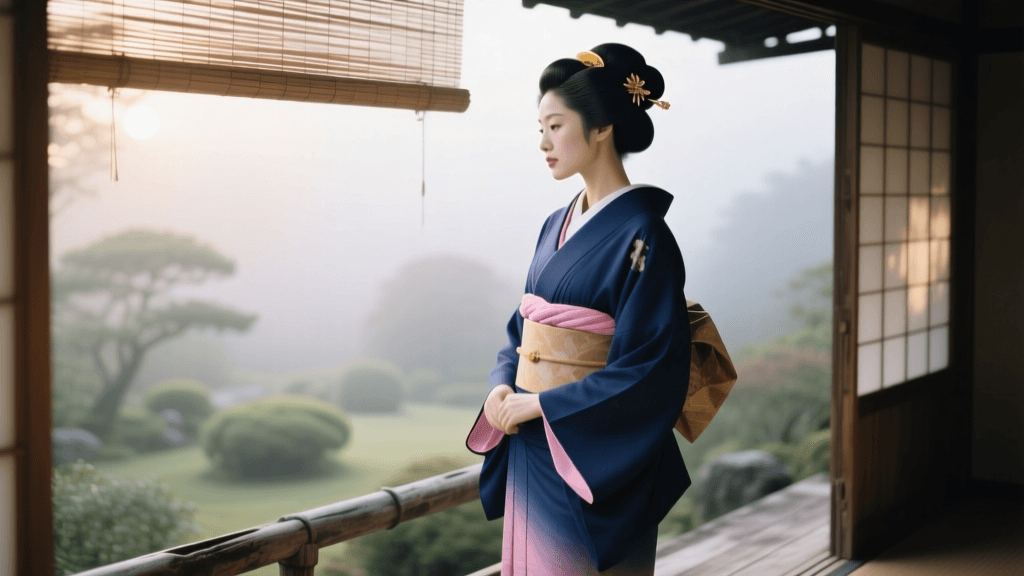
The Historical Icon: Murasaki Shikibu and the Heian Court
When exploring the rich tapestry of Asian traditions, few historical figures have left as indelible a mark on Japanese aesthetics and fashion as Murasaki Shikibu. Best known as the author of The Tale of Genji in the early 11th century, Murasaki was also a prominent court lady during the Heian period (794–1185). This era is widely considered the zenith of classical Japanese art, poetry, and textile craftsmanship. According to research from the Metropolitan Museum of Art's Asian Art Department, the Heian period marked a distinct shift from Chinese-influenced silhouettes to uniquely Japanese aesthetics, characterized by an obsession with seasonal beauty, poetic allusion, and intricate textile layering.
For Heian court ladies, fashion was not merely about clothing; it was a profound expression of intellect, emotional depth, and social standing. Murasaki Shikibu and her contemporaries communicated their refined tastes through the junihitoe (twelve-layer robe) and the sophisticated color-matching system known as kasane no irome. Today, while modern women no longer wear twelve heavy silk robes, the foundational principles of Heian color layering remain a vital, actionable component of contemporary kimono dressing (kitsuke).
Understanding Kasane no Irome: The Art of Layering
The term kasane no irome translates to 'layered colors.' In the Heian court, a lady's ensemble consisted of multiple unlined or lightly lined silk robes worn one over the other. The true artistry was not in the outermost robe, but in the deliberate, poetic contrast of colors peeking out at the sleeves (sodeguchi), the hem (suso), and the collar (eri).
These color combinations were strictly codified by season, weather, and the natural world. A court lady might wear a combination named 'Under the Snow' (yuki no shita), featuring a stark white outer layer with a vibrant crimson or deep green inner layer, symbolizing plum blossoms blooming beneath the winter frost. The preservation of these intricate textile traditions and their historical contexts is overseen by Japan's Agency for Cultural Affairs, which recognizes the deep cultural significance of traditional dyeing and weaving techniques that originated in these very courtly practices.
The Anatomy of Heian Layering
The visual impact of the junihitoe relied on precision. The layers were arranged so that each successive robe was slightly wider and longer than the one above it. This created a cascading waterfall of silk at the hems and sleeves. The colors were chosen to reflect the micro-seasons of Japan. A slight shift in the shade of an inner sleeve could indicate the transition from early spring to late spring, demonstrating the wearer's acute awareness of nature—a core tenet of Heian miyabi (courtly elegance).
Modern Application: How to Wear Heian Layering Today
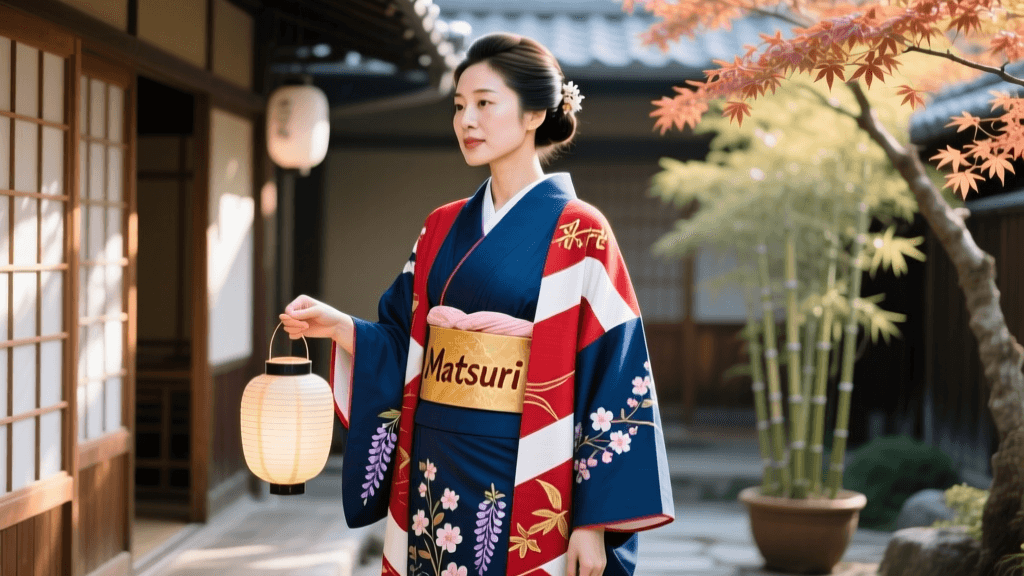
While the junihitoe is now reserved for the most formal imperial ceremonies, the spirit of kasane no irome is actively practiced by modern kimono enthusiasts. You can recreate the depth and poetry of Murasaki Shikibu’s fashion legacy using contemporary kimono undergarments, collars, and accessories. Here is how to apply historical layering rules to your modern wardrobe.
1. The Collar: Han-eri and Kasane-eri
The most visible point of layering on a modern kimono is the collar. The nagajuban (undergarment) features a decorative collar called a han-eri. To mimic Heian layering, modern kitsuke utilizes a kasane-eri (layering collar) or date-eri. This is a thin, secondary collar attached beneath the primary han-eri, allowing just 2 to 5 millimeters of a contrasting color to peek out, perfectly simulating the layered robes of the Heian court.
- Actionable Tip: For a classic 'Plum Blossom' (kobai) look in early spring, use a deep crimson han-eri with a pale pink or soft purple kasane-eri beneath it.
- Attachment: The kasane-eri is temporarily basted to the nagajuban using a long running stitch (shitsuke) so it can be easily removed and swapped for different seasonal combinations.
2. The Sleeves and Obi: Obijime and Obiage
Because modern kimono sleeves do not layer like the junihitoe, the layering effect is transferred to the obi (sash) accessories. The obiage (obi scarf) and obijime (decorative cord) act as your 'inner sleeves.' By selecting an obiage that contrasts with both the kimono and the obi, you create a horizontal band of layered color across the torso.
3. The Hem: Suso and Footwear
When walking, the hem of the kimono opens to reveal the nagajuban and the wearer's tabi (split-toe socks). Historically, the hem was the second most important layering point. Today, you can honor this by coordinating your tabi and zori (sandals) with the inner colors of your collar, creating a cohesive vertical line of kasane no irome from the neck to the feet.
Measurements, Costs, and Sourcing
To build a versatile, historically inspired layering collection, you need the right materials. Here are the practical details for sourcing and preparing your garments:
Measurements and Specifications
- Han-eri (Decorative Collar): Standard dimensions are 15 cm in width and 110 cm in length. This allows for a 2 cm fold-over at the top and enough length to wrap around the collarband.
- Kasane-eri (Layering Collar): Usually slightly narrower, around 10 cm to 12 cm in width, ensuring it sits perfectly flush beneath the main collar without bunching.
- Basting Thread: Use 100% cotton or silk basting thread in a neutral color. Avoid polyester, as it can slip and cause the layers to shift while wearing.
Costs and Sourcing
- Synthetic/Polyester Sets: $15 – $30 USD. Ideal for beginners and easy to wash, though they lack the historical luster of silk.
- Vintage Silk Han-eri: $30 – $80 USD. Sourced from Japanese antique markets or specialized online kimono recyclers. These often feature exquisite hand-embroidery (nui) or Yuzen dyeing.
- Modern Silk/Kinran (Gold Thread): $80 – $200+ USD. Reserved for highly formal events like weddings or tea ceremonies.
Timing and Seasonality Rules
Just as Murasaki Shikibu adhered to strict seasonal calendars, modern layering must respect the traditional kimono calendar:
- October 1 to May 31: Wear awase (lined silk kimono). This is the prime time for heavy, rich kasane no irome using opaque silks and velvets.
- June 1 to June 30 & September 1 to September 30: Wear hitoe (unlined silk). Layering colors should become lighter and more translucent.
- July 1 to August 31: Wear natsumono (sheer ro or sha woven fabrics). Crucial Rule: You cannot wear opaque layered collars under sheer summer kimono. Instead, use a sheer ro undergarment and a single, cool-toned han-eri (like pale blue or white) to evoke the feeling of flowing water or ice.
Seasonal Color Combinations: A Reference Guide
For visual references on historical garment construction and color pairings, the Victoria and Albert Museum's Japanese Art Collection provides extensive archives of textile fragments that highlight these exact dye combinations. Below is a practical data table of classic kasane no irome combinations that you can replicate using modern collars and obi accessories.
| Season | Combination Name | Outer Layer (Kimono/Obi) | Inner Layer (Han-eri/Obiage) | Natural Inspiration |
|---|---|---|---|---|
| Early Spring | Kobai (Red Plum) | Deep Crimson | Soft Purple or Pale Pink | Plum blossoms blooming in the cold |
| Mid Spring | Yamabuki (Japanese Kerria) | Bright Yellow | Light Green or White | Kerria flowers reflecting in water |
| Summer | Ayame (Iris) | Pale Blue / Sheer Ro | White or Ice Blue | Irises growing near cool streams |
| Autumn | Momiji (Maple) | Vibrant Orange/Red | Golden Yellow | Maple leaves turning in the sun |
| Winter | Shiro (White Snow) | Pure White | Light Blue or Silver | Snow resting on frozen pines |
Conclusion
Murasaki Shikibu’s literary genius in The Tale of Genji is globally celebrated, but her fashion legacy is equally profound. The Heian obsession with kasane no irome transformed clothing into a canvas for poetry and seasonal awareness. By understanding the mechanics of the junihitoe and translating them into modern han-eri, kasane-eri, and obi pairings, contemporary wearers can keep this ancient aesthetic alive. Whether you are attending a formal tea ceremony or simply enjoying a seasonal festival, applying these historical color rules elevates your kimono from a mere garment to a wearable piece of Japanese art history.