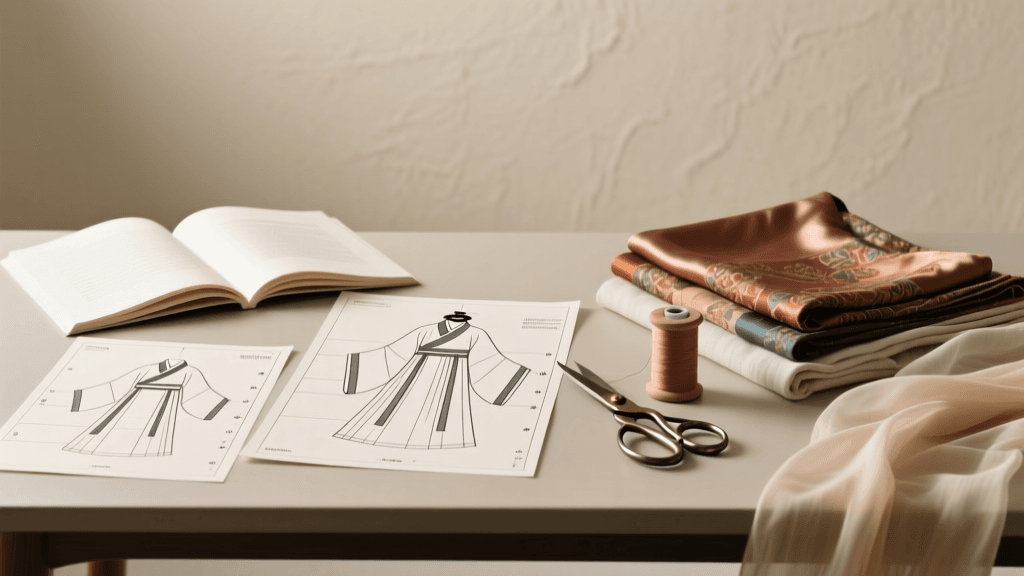
Neo-Traditional Streetwear: Styling Haori and Hakama
The Rise of Neo-Traditional Japanese Streetwear
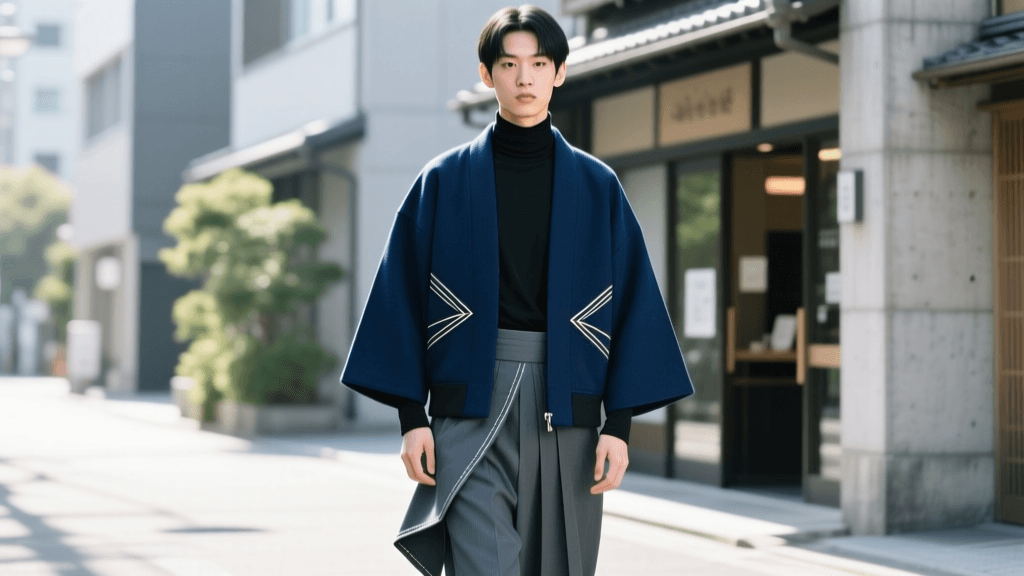
Walk through the neon-lit alleys of Harajuku or the understated, concrete boutiques of Daikanyama, and you will notice a striking sartorial shift. The rigid boundaries between traditional Japanese garments and contemporary global streetwear are dissolving. This movement, often referred to as 'Neo-Wafu' (new Japanese style), sees a new generation of fashion enthusiasts reclaiming historical pieces like the haori and hakama, integrating them into daily, avant-garde streetwear. Rather than treating these garments as museum relics or strict ceremonial wear, modern youth and visionary designers are deconstructing their silhouettes to create looks that are deeply rooted in heritage yet undeniably futuristic.
As noted in the V&A Museum's landmark Kimono Exhibition, the kimono and its associated garments have never been static; they have continuously evolved through global trade and domestic subcultures. Today's streetwear revival is simply the latest, most dynamic chapter in this ongoing evolution, blending centuries-old textile craftsmanship with the utilitarian and oversized aesthetics of modern urban fashion.
Deconstructing the Garments: Haori and Hakama
To successfully style traditional garments in a streetwear context, one must first understand their original architecture and how those structural elements translate to modern layering.
The Haori: From Formalwear to Street Layering
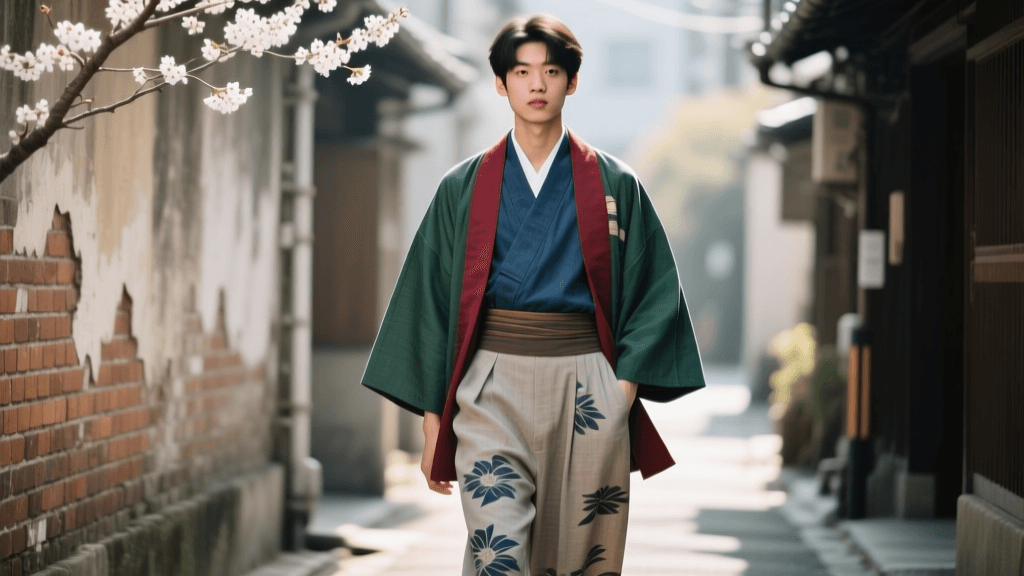
The haori is a traditional Japanese hip- or thigh-length jacket worn over a kimono. Characterized by its open front, wide sleeves, and lack of an overlapping closure (it is typically tied with a short braided cord called a haori himo), the haori is the ultimate layering piece. In streetwear, its drop-shoulder construction and boxy drape mimic the oversized silhouettes popularized by contemporary techwear and high-end street brands. The intricate linings (hakkake), often featuring hand-painted landscapes or bold geometric patterns, offer a flash of color when the wearer moves, acting as a dynamic alternative to the standard streetwear hoodie or coach jacket.
The Hakama: Silhouette and Movement
The hakama is a pleated, divided skirt or wide-leg trouser traditionally worn over a kimono. For streetwear, the 'umanori' (horse-riding) style, which features divided legs resembling ultra-wide trousers, is the most practical and visually striking. The deep, structured pleats create a voluminous lower half that pairs exceptionally well with fitted tops or cropped utility jackets. The heavy, flowing movement of the hakama brings a theatrical, avant-garde element to street style, echoing the runway presentations of Japanese design legends like Yohji Yamamoto and Issey Miyake.
Actionable Styling Guide: Mixing Tradition with Streetwear
Transitioning these garments from ceremonial use to the streets requires a deliberate approach to proportions, fabrics, and measurements. Here is a practical guide to building your Neo-Wafu wardrobe.
Proportions and Measurements
- Haori Length (Mitake): For a modern streetwear look, avoid ankle-length formal haori. Look for a back length between 75cm and 85cm (roughly 30 to 34 inches). This hits at the mid-thigh, providing a silhouette similar to an oversized duster coat or longline cardigan, perfect for layering over hoodies and denim.
- Haori Shoulder Drop: Traditional haori do not have structured shoulder seams. Embrace the natural drop-shoulder effect, but ensure the sleeve width does not restrict movement when wearing thick winter layers underneath.
- Hakama Waist (Koshita): Hakama are secured with long ties rather than elastic or buttons. Measure your natural waist or where you prefer the garment to sit (often higher for a traditional look, or lower on the hips for a relaxed streetwear vibe). Ensure the stiff back panel (koshi-ita) rests comfortably against your lower back to maintain the garment's structural integrity.
Look 1: The Techwear Hakama
Pair a black or navy cotton-blend umanori hakama with a sleek, water-resistant techwear vest. Tuck a fitted, moisture-wicking turtleneck into the hakama to define the waist. Finish the look with chunky, aggressive-sole sneakers and a crossbody utility bag. The hakama's wide legs provide the volume, while the techwear elements ground the outfit in modern urban utility.
Look 2: The Vintage Haori Layer
Source a vintage silk haori with a bold, contrasting interior lining. Wear it open over a heavyweight, boxy graphic tee and relaxed-fit, distressed denim. The juxtaposition of delicate, historical silk against rough, heavy denim creates a tactile tension that is the hallmark of high-level streetwear. Roll the sleeves of the tee slightly to highlight the haori's sleeve opening.
Sourcing, Costs, and Timing
Acquiring authentic pieces requires knowing where to look and understanding the market. Vintage markets in Japan and specialized online curators are your best resources.
| Garment Type | Sourcing Method | Average Cost (USD) | Best For | Condition Notes |
|---|---|---|---|---|
| Vintage Silk Haori | Japanese Thrift Stores (e.g., Chicago, Kinokuniya) or Etsy | $40 - $120 | Statement layering, spring/autumn | Check for silk rot and underarm staining. Lining condition is crucial. |
| Cotton/Linen Haori | Modern Neo-Wafu Brands (e.g., Kapok, Wafu Gen) | $150 - $300 | Daily wear, summer, machine washable | Highly durable, pre-washed, modern sizing. |
| Vintage Umanori Hakama | Kimono Recycle Shops (e.g., Tansu-ya) in Tokyo/Kyoto | $60 - $150 | Avant-garde silhouettes, winter | Often made of wool or heavy polyester blends. Check pleat integrity. |
| Designer Tech-Hakama | Contemporary Streetwear Brands (e.g., Kapital, Yohji) | $400 - $1,200+ | High-fashion streetwear, techwear | Pristine condition, innovative fabrics (nylon, ripstop). |
Timing Tip: If you are thrifting in Japan, visit 'antique markets' (antikkuya) and shrine flea markets during the transitional seasons of early April and late October. This is when locals clear out their closets, and you can find high-quality wool hakama and lined haori at a fraction of the retail cost.
Footwear and the Tabi Revolution
No streetwear outfit is complete without the right footwear, and the Neo-Wafu movement has heavily leaned into the split-toe aesthetic. The traditional tabi sock, originally designed to be worn with thonged sandals (zori and geta), has been reimagined for the streets. While Maison Margiela famously introduced the split-toe boot to high fashion, modern streetwear enthusiasts are pairing traditional white or black cotton tabi socks with modern sneakers. Brands like Nike (with their ISPO line) and specialized sneaker boutiques have embraced the tabi silhouette. Alternatively, wearing traditional wooden geta with rubberized, modernized soles over thick, ribbed streetwear socks creates a striking, grounded foundation for a hakama.
Cultural Respect in Streetwear
As traditional garments enter the global streetwear lexicon, the conversation around cultural appreciation versus appropriation becomes vital. The BBC's cultural analysis of the kimono highlights that Japanese culture is generally highly encouraging of outsiders engaging with their traditional dress, provided it is done with respect and a willingness to learn.
In the context of streetwear, respect means understanding the garment's origins. It means not altering the fundamental structure of a historical silk haori with scissors or fabric paint, but rather styling it in a way that honors its craftsmanship. Furthermore, understanding basic 'kitsuke' (the art of dressing) rules—such as always wrapping the left side over the right (the reverse is strictly reserved for dressing the deceased)—is a non-negotiable baseline of respect, even when bending the rules of formality with sneakers and denim.
'Fashion is a language, and when we incorporate historical garments into our daily vocabulary, we are not just wearing clothes; we are wearing history. The key is to speak that language with reverence.' — Harajuku Street Style Archivist
Conclusion
The integration of the haori and hakama into modern streetwear is more than a fleeting trend; it is a profound reclamation of Japanese sartorial identity in a globalized world. By understanding the measurements, sourcing authentic pieces, and styling them with contemporary urban staples, you can participate in the Neo-Wafu movement. As institutions like The Metropolitan Museum of Art continue to showcase the dynamic, evolving nature of Japanese dress, it is clear that the streets of Tokyo and beyond are the new runways where tradition and tomorrow seamlessly collide.