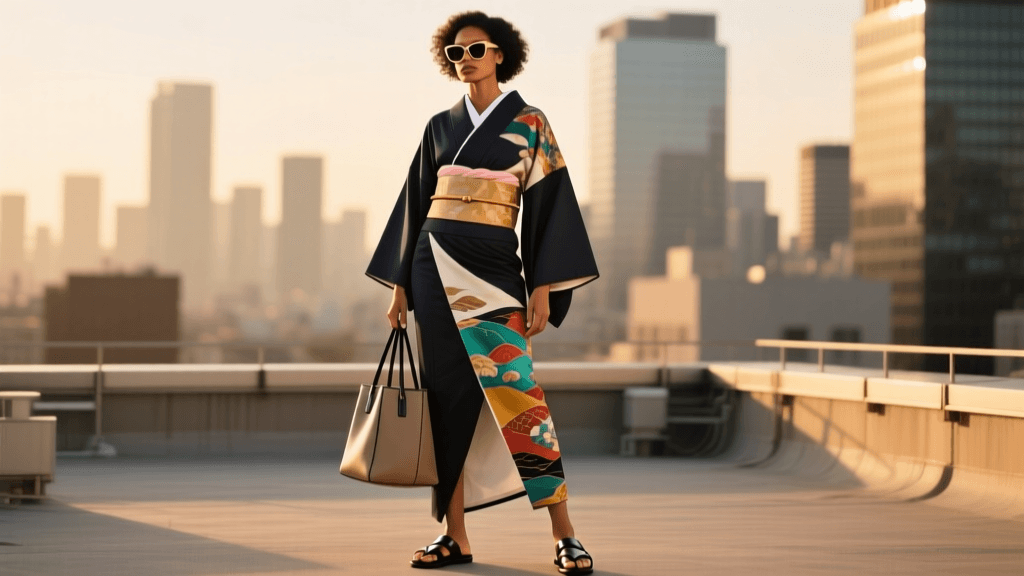
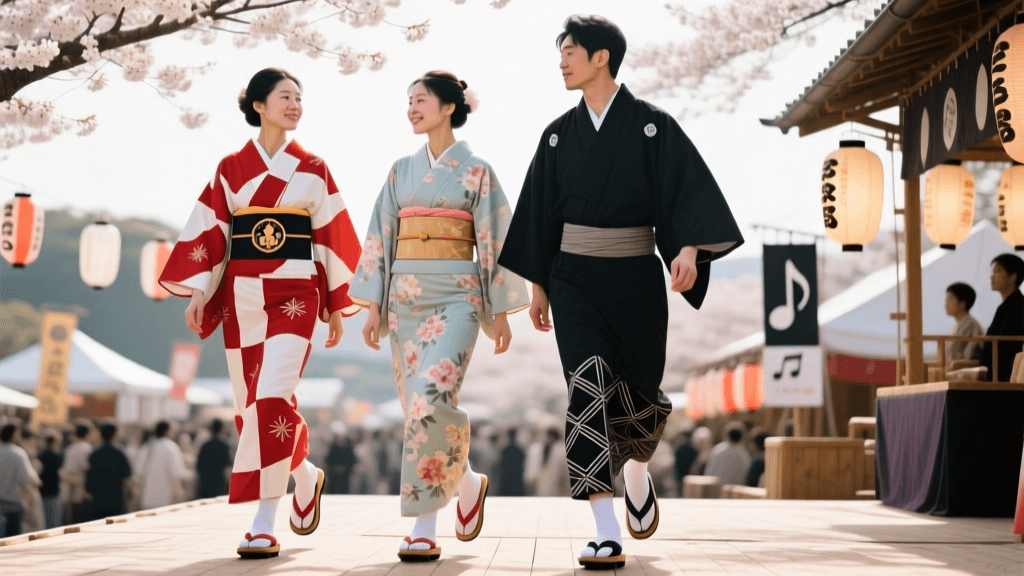
Kimono Streetwear: Styling Vintage Japanese Garments
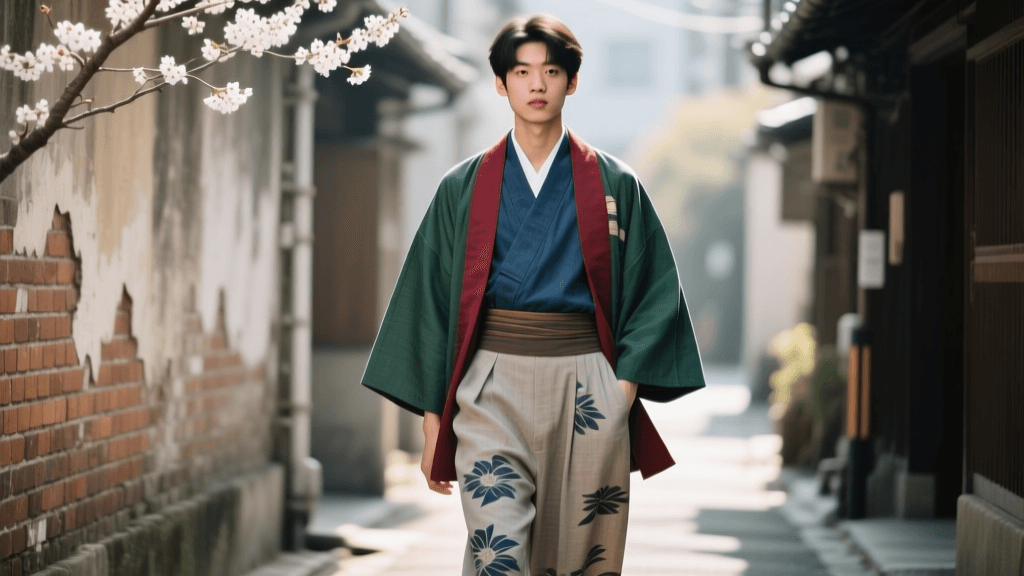
The intersection of traditional Japanese clothing and global pop culture is one of the most dynamic cross-pollinations in modern fashion history. From the neon-lit streets of Harajuku to the high-fashion runways of Paris and the music videos of global hip-hop artists, traditional Japanese garments—collectively known as wafuku—have transcended their historical roots to become staples of contemporary streetwear. As noted by the Victoria and Albert Museum in their landmark exhibition on the global impact of Japanese dress, the kimono and its related silhouettes have continually inspired Western and global designers, redefining the boundaries of modern tailoring.
For the modern fashion enthusiast, integrating vintage Japanese garments into a daily streetwear wardrobe is not just about aesthetics; it is an exercise in cultural appreciation, sustainable fashion, and sartorial storytelling. This comprehensive guide will walk you through the mechanics of sourcing, measuring, styling, and maintaining authentic vintage Japanese pieces for a contemporary pop-culture-inspired wardrobe.
The Pop Culture Catalyst: From Anime to Hip-Hop
The global fascination with Japanese fashion was heavily catalyzed by pop culture exports in the late 20th and early 21st centuries. Anime and cyberpunk media, such as Ghost in the Shell and Akira, introduced global audiences to a futuristic blending of traditional silhouettes with utilitarian tech-wear. Concurrently, the sukajan (souvenir jacket) emerged from post-WWII Yokosuka as a hybrid of the American letterman jacket and Japanese silk embroidery, eventually becoming a grail item for vintage streetwear collectors.
Today, artists like A$AP Rocky and Tyler, the Creator frequently drape themselves in vintage silk haori (kimono jackets), pairing them with oversized hoodies and wide-leg denim. The Kyoto Costume Institute frequently highlights how the structural fluidity of Japanese garments—characterized by straight seams, T-shaped sleeves, and an emphasis on surface design rather than body-conforming tailoring—offers a striking contrast to Western sartorial traditions, making them perfect statement layers in modern streetwear.
Sourcing Authentic Vintage Wafuku
While fast-fashion brands frequently appropriate Japanese silhouettes, the true essence of wafuku lies in the craftsmanship of vintage and antique pieces. To build an authentic wardrobe, you must look to the secondary market.
Where to Buy
- Yahoo! Auctions Japan: The goldmine for vintage Japanese clothing. Since direct purchasing is often restricted to Japanese residents, utilize proxy bidding services like Buyee, ZenMarket, or FromJapan.
- Etsy and eBay: Excellent for curated selections, though prices are marked up by 40% to 100% compared to domestic Japanese markets.
- Specialized Vintage Dealers: Shops in Tokyo's Shimokitazawa and Koenji districts (such as Chicago Vintage) have online storefronts that ship globally.
Essential Search Terms
When navigating Japanese auction sites, using the correct Kanji is crucial for unearthing hidden gems at lower price points:
- Haori (羽織): The traditional kimono jacket, ideal for layering.
- Sukajan (スカジャン): The embroidered souvenir jacket.
- Michiyuki (道行き): A square-necked kimono coat, perfect for minimalist, avant-garde streetwear looks.
- Furisode (振袖): Long-sleeved formal kimono, often upcycled into dramatic streetwear dusters.
Decoding Vintage Measurements
Unlike Western clothing, traditional Japanese garments do not use S/M/L sizing. They are constructed from standard-width fabric bolts (tanmono) and are measured flat. According to coverage in The Japan Times, understanding these historical measurements is key to achieving the oversized, draped silhouette favored in modern streetwear.
The Measurement Matrix
- Yuki (裄): Measured from the center back seam, across the shoulder, and down to the wrist. For a modern streetwear fit over hoodies, look for a Yuki of 68cm to 74cm. (Note: Vintage women's haori often have a Yuki around 60-64cm, which yields a trendy, cropped-sleeve look on male or broader-shouldered wearers).
- Katahaba (肩幅): The shoulder width from seam to seam. Standard vintage widths are 32cm to 34cm.
- Mitake (身丈): The total length from the base of the collar to the hem. For a jacket-like streetwear fit, aim for a Mitake between 85cm and 100cm.
- Karada (身幅): The width across the back. Because kimono wrap around the body, a Karada of 60cm+ ensures a comfortable, relaxed fit over thick streetwear layers.
The Streetwear Styling Matrix
Integrating delicate vintage silks and heavy embroidered satins into a rugged streetwear wardrobe requires a balance of proportions and textures. Below is a practical guide to styling three core vintage Japanese garments for the modern urban environment.
| Garment | Traditional Pairing | Streetwear Pairing | Est. Vintage Cost (USD) |
|---|---|---|---|
| Silk Haori | Nagajuban, Kimono, Obi, Zori | Heavyweight Oversized Hoodie, Wide-Leg Denim, Chunky Sneakers | $45 - $150 |
| Sukajan | N/A (Post-war casual) | White Ribbed Tee, Selvedge Denim, Red Wing Work Boots | $120 - $600+ |
| Michiyuki | Kimono, Tabi, Zori | Black Turtleneck, Pleated Midi Skirt, Chelsea Boots | $60 - $180 |
| Happi Coat | Festival Wear, Fundoshi | Graphic Tee, Cargo Pants, High-Top Canvas Sneakers | $30 - $90 |
Footwear and Accessories
The juxtaposition of traditional Japanese garments with modern footwear is a cornerstone of this aesthetic. While traditional zori or geta are inappropriate for daily urban wear, the tabi (split-toe sock) has been immortalized in streetwear by Maison Margiela. Pairing a vintage haori with Margiela Tabi boots or Nike Air Max 1s creates a visual bridge between Edo-period craftsmanship and contemporary sneaker culture. Accessorize with modern silver jewelry or tech-wear crossbody bags to prevent the outfit from looking like a theatrical costume.
Care and Maintenance for Vintage Silks
Vintage Japanese garments are often crafted from delicate crepe silks (chirimen), rinzu (damask silk), or hand-dyed cottons. Improper care will destroy the structural integrity and historical value of the piece.
Cleaning Protocols
- Never Machine Wash: Vintage silk kimono and haori will shrink, bleed, and lose their luster if exposed to water and agitation.
- Airing Out: After wearing, hang the garment in a shaded, well-ventilated area for 24 hours to allow moisture and odors to dissipate.
- Spot Cleaning: Use a specialized silk-safe dry cleaning solvent on a cotton swab for minor stains. For deep cleaning, seek a dry cleaner who specializes in theatrical costumes or antique textiles.
Storage Solutions
Traditional Japanese garments are meant to be folded, not hung. Hanging vintage silk on wire or wooden hangers will cause the shoulder seams to stretch and tear under the weight of the fabric. Store your pieces flat in a cool, dark drawer lined with acid-free tissue paper (tatou-shi). If you must hang a heavy sukajan or a lined winter coat, use a wide, padded hanger and cover it with a breathable cotton garment bag to protect the embroidery from dust and UV fading.
Conclusion
The integration of traditional Japanese garments into global streetwear is a testament to the timelessness of wafuku design. By understanding the historical context, mastering the unique measurement systems, and practicing proper garment care, you can build a wardrobe that honors Japanese heritage while pushing the boundaries of contemporary pop-culture fashion. Whether you are draping a century-old silk haori over a modern hoodie or rocking a vintage Yokosuka sukajan, you are participating in a living, evolving sartorial dialogue that spans oceans and generations.