Japanese Matsuri Costumes: Happi Coats, Yukata, and Festival Wear
The Heartbeat of Matsuri: Performance and Festival Attire
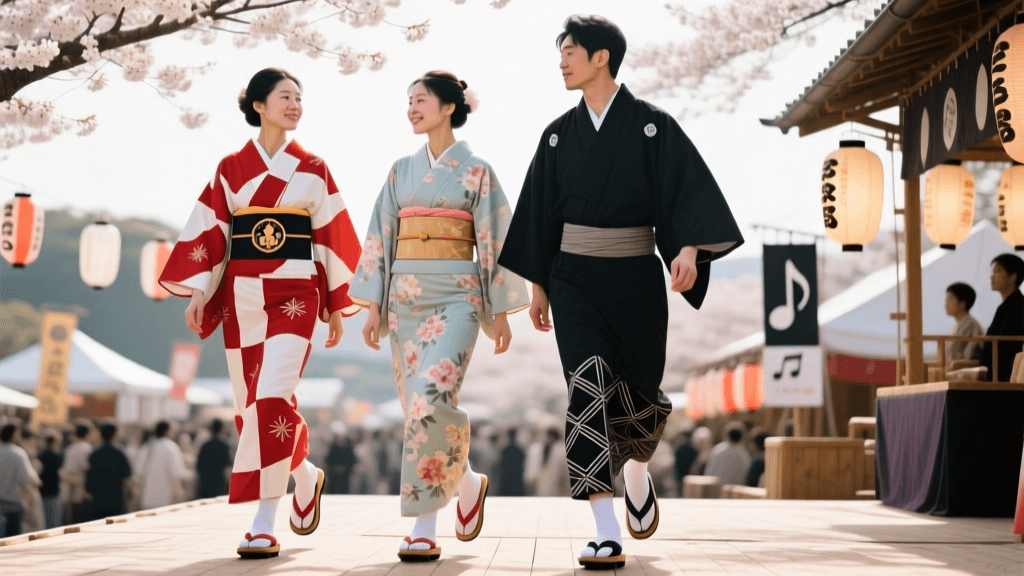
Japanese summer festivals, known as matsuri, are a vibrant explosion of culture, community, and spiritual reverence. From the thunderous taiko drum performances to the synchronized movements of Bon Odori dancing, the garments worn during these events are far more than mere clothing; they are functional performance costumes designed for endurance, mobility, and collective identity. According to Japan Guide's comprehensive festival directory, thousands of local and national festivals take place across the archipelago each year, each with its own distinct sartorial requirements. Whether you are preparing to pull a multi-ton wooden float through the streets of Kyoto or join a neighborhood circle dance, understanding the mechanics, measurements, and sourcing of Japanese festival wear is essential for any participant or cultural enthusiast.
The Happi Coat: Festival Uniforms and Performance Wear
The happi coat is the undisputed icon of Japanese festival performance wear. Originally worn by Edo-period firefighters and samurai attendants as a lightweight protective layer, the happi has evolved into the standard uniform for matsuri participants. Unlike the traditional kimono, the happi features straight, tubular sleeves and an open front that does not overlap, allowing for maximum ventilation and unrestricted arm movement—crucial for vigorous activities like carrying mikoshi (portable shrines) or playing festival instruments.
Sizing, Fit, and Practical Advice
When selecting a happi for performance, fit and fabric weight are paramount. Standard adult happi coats typically measure between 75 cm and 85 cm in length, falling around the mid-thigh. The width is generally generous, ranging from 60 cm to 70 cm across the shoulders. For performers engaging in high-intensity dancing, such as the famous Awa Odori, a slightly shorter hem (around 70 cm) prevents the fabric from catching on the knees during deep lunges.
Most traditional happi are crafted from medium-weight cotton canvas or sashiko-quilted cotton, which absorbs sweat while maintaining its structural integrity. When wearing a happi, it is secured with a simple cotton kaku obi (a narrow, stiff belt) or a specialized festival belt. The knot is usually tied at the front or side in a simple square knot, ensuring the coat remains flush against the body during dynamic movements.
Yukata for Bon Odori: Movement and Breathability
While the happi is favored for shrine attendants and float pullers, the yukata remains the garment of choice for Bon Odori, the traditional folk dances performed during the Obon season to welcome ancestral spirits. The Metropolitan Museum of Art's historical overview of the kimono notes that the yukata originated as a bathrobe for the aristocracy before becoming the ubiquitous summer wear for commoners. Today, it serves as a beautiful, flowing costume for festival dancing.
Fabric Choices and Mobility Adjustments
Performance yukata differ slightly from casual evening yukata. For Bon Odori, dancers require fabrics that offer breathability and drape. Traditional 'ro' (gauze) or 'shijira' (crepe cotton) weaves are highly recommended. Shijira cotton, in particular, features a textured, puckered surface that prevents the fabric from clinging to sweaty skin in the humid Japanese summer.
To accommodate the raised arms and wide stances typical of Bon Odori choreography, performers often adjust their dressing technique. The hem is pulled slightly higher and secured tightly with a date-jime (under-belt) to prevent tripping. Furthermore, the obi (sash) is tied in a 'bunko' (bow) knot at the back, but positioned slightly higher on the torso than formal kimono obi, ensuring it does not restrict the diaphragm during prolonged dancing sessions.
The Jinbei Alternative: Casual Comfort for Active Participants
For those who find the wrapping and tying of a yukata too cumbersome for active festival participation, the jinbei offers a brilliant alternative. Originally designed as indoor loungewear for men during the Edo period, the jinbei consists of a short-sleeved, wrap-front top and matching shorts. Modern festival jinbei are crafted from highly breathable waffle-weave cotton or linen blends. They are exceptionally popular for children, men, and women who prioritize unrestricted mobility while still wishing to participate in the visual harmony of the matsuri. The shorts typically feature an elastic or drawstring waist, eliminating the need for complex obi tying entirely.
Footwear and Accessories: Tabi, Hachimaki, and Tenugui
No festival costume is complete without its functional accessories. Footwear and headwear play critical roles in both performance safety and aesthetic uniformity.
- Tabi Socks: Traditional split-toe tabi socks are essential when wearing wooden geta or zori sandals. Unlike modern stretch socks, traditional cotton tabi have no elasticity. You must purchase them in exact centimeter measurements (e.g., 24.5 cm). Sizing up will cause the fabric to bunch, leading to severe blisters during long festival walks.
- Jika-tabi: For heavy labor, such as pulling the massive floats seen in the Kyoto City Tourism Association's guide to the Gion Matsuri, participants wear jika-tabi. These are split-toe shoes with rubber soles that provide grip on cobblestones and asphalt while maintaining the traditional aesthetic.
- Hachimaki: The hachimaki is a cotton headband, typically measuring 100 cm by 35 cm. Tied tightly around the forehead, it serves the practical purpose of keeping sweat out of the eyes during intense summer heat, while symbolically representing the wearer's determination and fighting spirit.
- Tenugui: A versatile rectangular cotton towel (approx. 90 cm x 35 cm) used to wipe sweat, wrap around the neck for sun protection, or tie over the head to keep hair out of the face during vigorous dancing.
The true essence of matsuri attire is not just in its visual splendor, but in its functional ability to unite the wearer with the rhythm of the taiko drums and the collective energy of the community.
Comparison Chart: Happi vs. Yukata vs. Jinbei for Festival Performance
| Garment Type | Mobility Level | Average Cost (USD) | Setup Time | Best Use Case |
|---|---|---|---|---|
| Happi Coat | High | $25 - $150 | 2 Minutes | Float pulling, taiko drumming, street dancing |
| Yukata | Medium | $40 - $120 | 10-15 Minutes | Bon Odori circle dancing, evening parades |
| Jinbei | Very High | $20 - $60 | 1 Minute | Casual festivals, food stalls, children's wear |
Actionable Buying Guide: Costs, Sourcing, and Timing
Acquiring the right festival attire requires strategic timing, especially if you are participating in a specific neighborhood's matsuri where uniformity is expected.
- Timing Your Purchase: Retailers in Japan and international specialty shops begin stocking summer festival wear in early May. If you are buying off-the-rack, purchase by June to ensure your size is available. For custom-dyed happi coats featuring specific neighborhood crests or company logos, you must place your order with traditional dye houses (using the chusen hand-dyeing method) at least 6 to 8 weeks prior to the July festival season.
- Cost Expectations: A standard, mass-produced polyester or light cotton happi can be found for $25 to $45. However, authentic, heavy-weight cotton happi dyed using traditional indigo or chusen techniques will range from $80 to $150. A complete yukata set (including the garment, obi, and under-slip) typically costs between $50 and $120 for good quality cotton.
- Sizing for International Buyers: Japanese festival wear is notoriously 'one-size-fits-most.' If you are taller than 180 cm (5'11') or have a chest measurement over 110 cm, standard happi coats will look disproportionately short and tight. Seek out specialty vendors that offer 'tall' or 'sumo-size' happi, which extend the length to 90 cm and increase the shoulder width.
Conclusion
Participating in a Japanese matsuri is a profoundly immersive experience, and the clothing you wear acts as your physical connection to centuries of tradition. Whether you opt for the bold, unified statement of a happi coat, the elegant, flowing grace of a performance yukata, or the practical comfort of a jinbei, prioritizing breathable fabrics, correct measurements, and functional accessories will ensure you can focus on the joy of the festival. By understanding the nuances of these garments, you do more than just dress the part; you honor the craftsmanship and communal spirit that define Japan's vibrant festival culture.