Gender-Neutral Hanfu Styling: A Modern Guide to Menswear Silhouettes
The Rise of Gender-Neutral Hanfu
The global Hanfu movement has experienced explosive growth over the last decade, evolving from a niche historical reenactment hobby into a mainstream fashion phenomenon. While early iterations of the modern Hanfu revival heavily favored ethereal, highly feminine Wei-Jin and Tang dynasty aesthetics, the market has matured. Today, gender-neutral and menswear-inspired silhouettes are at the forefront of the New Chinese Style (xin zhongshi) movement. According to BBC Culture, the Hanfu market is being driven by Gen Z consumers who view traditional dress not as a rigid costume, but as a fluid medium for modern self-expression.
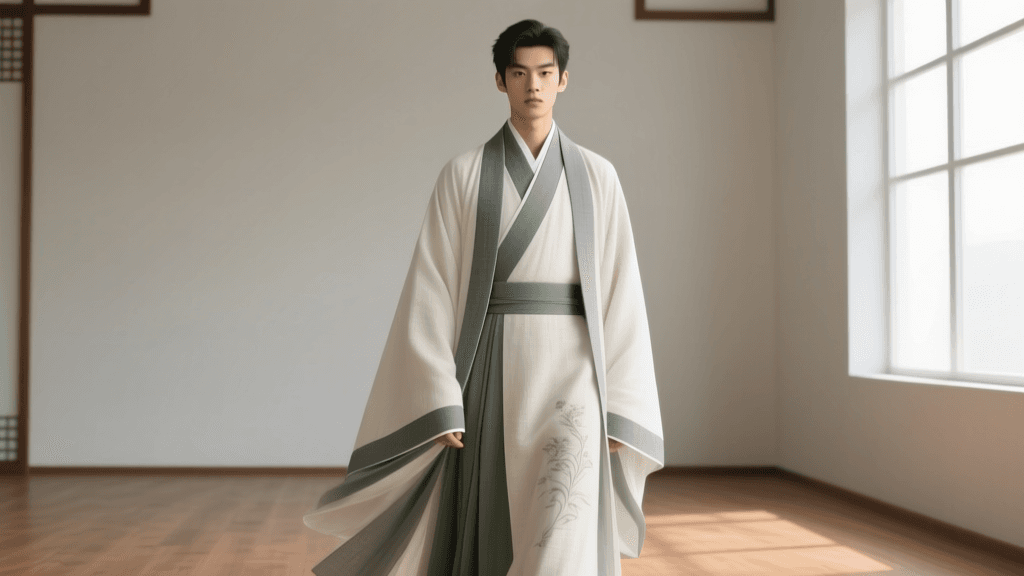
For wearers seeking structured, architectural, and gender-neutral aesthetics, menswear-inspired Hanfu offers a sophisticated alternative to flowing skirts and sheer chiffons. This guide explores the most versatile unisex and menswear silhouettes, complete with practical sizing, fabric selection, and daily styling advice.
Core Silhouettes for Gender-Neutral Styling
When building a gender-neutral Hanfu wardrobe, the focus should be on garments with strong shoulder lines, structured collars, and historical precedents for unisex wear. Here are the three foundational silhouettes every modern wearer should know.
1. Yuanlingpao (Round-Collar Robe)
Originating in the Tang Dynasty and evolving through the Ming Dynasty, the Yuanlingpao features a distinct round neckline, a right-over-left closure (jiaoling youren), and side slits for ease of movement. Historically worn by male officials and scholars, it was also famously adopted by women in the Tang Dynasty who embraced cross-dressing as a fashionable statement. Its clean neckline makes it incredibly easy to layer over modern turtlenecks or button-down shirts, bridging the gap between antiquity and contemporary streetwear.
2. Daopao (Taoist Robe)
The Daopao is a Ming Dynasty staple characterized by its cross collar, wide sleeves, and distinctive side pleats (bai) that provide volume without adding bulk to the waist. As noted by The Metropolitan Museum of Art, Ming dynasty garments were renowned for their structural elegance and intricate weaving techniques. The Daopao’s A-line silhouette is universally flattering, offering a dramatic, sweeping drape that feels equally at home in a modern gallery opening or a traditional tea house.
3. Feiyufu (Flying Fish Robe)
For those seeking a bold, martial-arts-inspired aesthetic, the Feiyufu is the ultimate statement piece. Originally a ceremonial uniform granted to imperial guards in the Ming Dynasty, it features a fitted bodice, a pleated skirt-like lower half, and dramatic embroidery (often of the mythical flying fish). While traditionally masculine, its fierce, armored silhouette has been widely embraced by the gender-neutral fashion community, often styled with leather accessories to emphasize its edgy, avant-garde potential.
Sizing and Measurement Guide
One of the biggest hurdles for newcomers to menswear or unisex Hanfu is navigating traditional Chinese sizing, which differs significantly from Western standards. Hanfu relies heavily on flat garment measurements rather than body-hugging tailoring. To achieve the correct architectural drape, pay close attention to shoulder width and sleeve length.
| Garment Type | Shoulder Width (cm) | Sleeve Length (cm) | Garment Length (cm) | Styling Notes |
|---|---|---|---|---|
| Yuanlingpao (Standard) | 44 - 48 cm | 60 - 65 cm | 125 - 135 cm | Should hit mid-calf; sleeves should rest at the wrist bone. |
| Daopao (Oversized) | 48 - 54 cm | 68 - 75 cm | 130 - 140 cm | Dropped shoulders are intentional; sleeves should cover half the hand. |
| Feiyufu (Fitted) | 42 - 46 cm | 62 - 66 cm | 120 - 130 cm | Requires precise shoulder measurement for the structured bodice. |
Pro-Tip: When measuring your sleeve length for Hanfu, measure from the center back of your neck, across the shoulder, and down to the wrist. Traditional Hanfu sleeves are cut in a single continuous piece with the bodice, meaning the shoulder seam often does not exist in the Western sense.
Fabric Selection for Architectural Drape
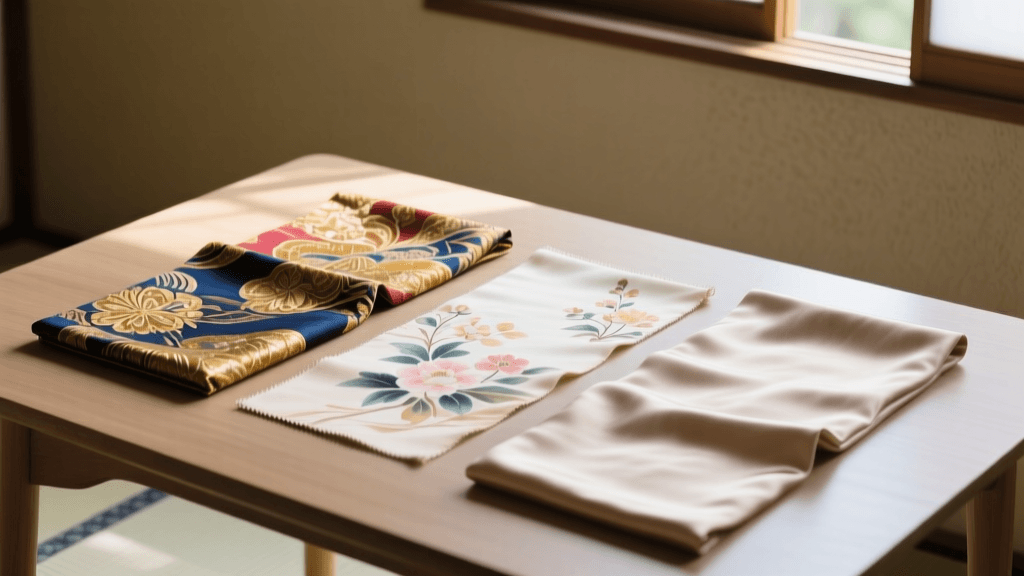
The success of a gender-neutral Hanfu look relies heavily on fabric weight. Flimsy materials will collapse, losing the structured, dignified silhouette inherent to menswear designs. Vogue has highlighted how modern Hanfu designers are increasingly experimenting with contemporary textiles to make traditional garments more practical for daily urban life.
- Heavyweight Linen & Cotton Blends: Ideal for spring and summer. Linen provides a crisp, structured drape that resists clinging to the body, maintaining the garment's geometric lines. Expect to pay $40–$70 for quality linen sets.
- Jacquard Brocade & Woven Damask: Perfect for autumn and winter. These fabrics have a built-in stiffness and a subtle, tonal sheen that elevates the Daopao and Yuanlingpao. They hold pleats exceptionally well. Premium brocade robes typically range from $120–$250.
- Wool Blends: A modern innovation in the Hanfu market. Wool-blend Ming-style outer coats (Pifeng or Daopao) offer incredible warmth and a tailored, coat-like structure that pairs seamlessly with modern winter boots.
Modern Styling and Daily Integration
To prevent your Hanfu from looking like a theatrical costume, the key is juxtaposition. Blending traditional garments with contemporary, minimalist accessories grounds the outfit in the present day.
Footwear
Discard the traditional cloth shoes for daily wear. Instead, pair a dark-toned Daopao or Yuanlingpao with leather Chelsea boots or chunky loafers. The slight heel and structured leather of modern footwear complement the heavy drape of the robes and provide necessary arch support for urban walking.
Layering
Hanfu is inherently modular. In cooler months, layer a fitted, ribbed turtleneck underneath your Yuanlingpao. The contrast between the modern, skin-tight knitwear and the voluminous, historical outer robe creates a striking, high-fashion silhouette favored by avant-garde streetwear enthusiasts.
Accessories and Belts
Traditional Hanfu is secured with fabric ties, but adding a modern leather belt with minimalist brass hardware over the outer robe can cinch the waist and add a rugged, utilitarian edge. For hair, avoid elaborate historical updos; opt for a sleek, low ponytail or a modern, textured crop to maintain the gender-neutral, contemporary vibe.
"True gender-neutral fashion is not about erasing identity, but about expanding the vocabulary of what we are allowed to wear. The structured lines of Ming Dynasty menswear offer a powerful, dignified silhouette that belongs to anyone who appreciates architectural design."
Cost and Investment Guide
Building a gender-neutral Hanfu wardrobe is an investment in craftsmanship. Here is a realistic breakdown of what to expect when shopping from reputable online retailers (such as those based in Hangzhou or specialized global vendors):
- Entry-Level ($35 - $60): Mass-produced cotton or polyester blends. Good for testing silhouettes, but often lack the structural stiffness required for a premium look. Seams may require tailoring.
- Mid-Tier ($70 - $150): The sweet spot for daily wear. Expect high-quality cotton-linen blends, accurate historical patterning, and durable metal or horn buttons. Brands in this tier often offer custom sizing for an additional $15-$20.
- Premium / Artisan ($180 - $400+): Hand-woven brocades, silk-blend damasks, and meticulous hand-embroidery. These are investment pieces meant for formal events, gallery openings, or winter layering.
Conclusion
Gender-neutral and menswear-inspired Hanfu represents a fascinating intersection of historical reverence and modern sartorial rebellion. By focusing on structured silhouettes like the Yuanlingpao and Daopao, prioritizing heavyweight fabrics, and styling with contemporary footwear, wearers can reclaim traditional Chinese garments as a dynamic, everyday fashion statement. Whether you are navigating the streets of a modern metropolis or attending a cultural festival, the architectural elegance of menswear Hanfu offers a powerful, timeless aesthetic that transcends gender and era.