Decoding Kimono Fabrics: Silk, Yuzen, and Nishijin Craft
The Artistry of the Kimono: Beyond the Silhouette
When the world envisions traditional Japanese clothing, the striking silhouette of the kimono often takes center stage. However, the true soul of this iconic garment lies not merely in its shape, but in the extraordinary textiles from which it is constructed. The creation of a single, high-quality kimono involves a complex symphony of weaving, dyeing, and tailoring techniques that have been refined over centuries. For collectors, cultural enthusiasts, and prospective buyers, understanding the nuances of kimono craftsmanship is essential. This guide decodes the intricate world of Japanese textile arts, focusing on the revered techniques of Nishijin weaving and Yuzen dyeing, while providing actionable advice for acquiring authentic pieces.
The Foundation: Tanmono and Material Types
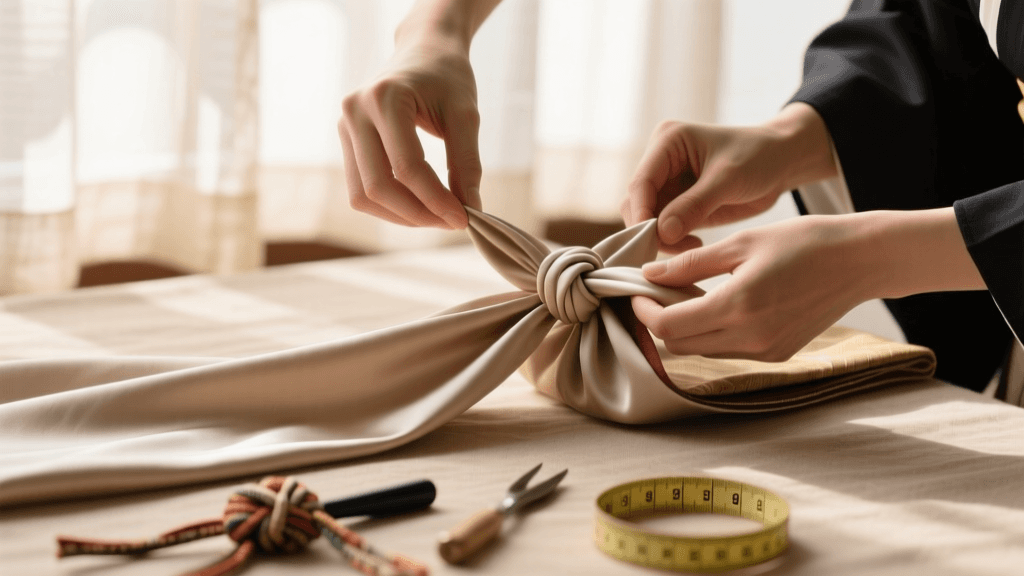
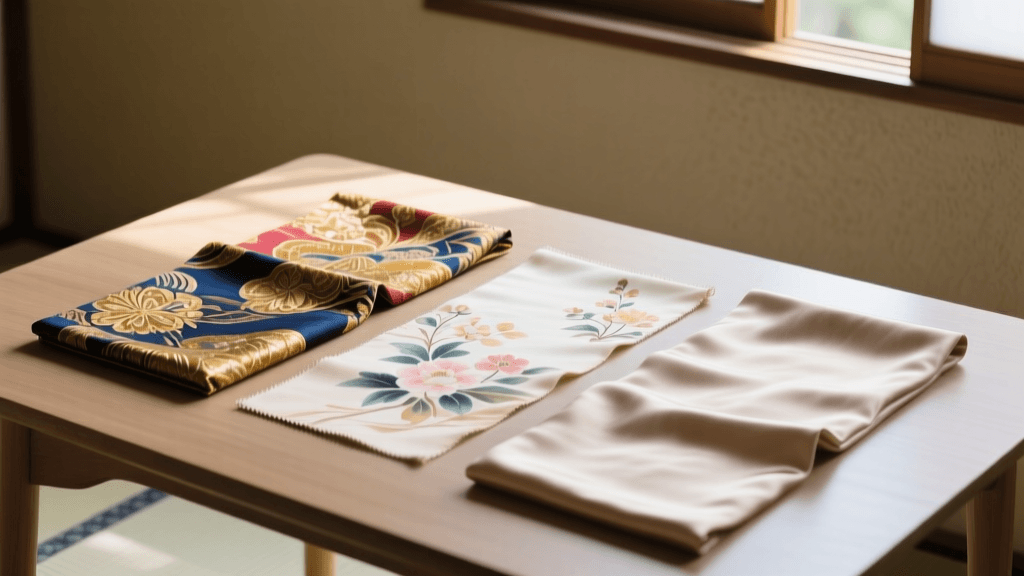
Unlike Western tailoring, which cuts fabric into complex curved shapes to fit the body, traditional kimono are constructed using a straight-line cutting method known as chokusen-dachi. This approach minimizes waste and allows the garment to be easily disassembled, washed, and resewn. The fabric is traditionally sold in a specific bolt format called tanmono. A standard tanmono measures approximately 38 centimeters (15 inches) in width and 12 meters (13 yards) in length, providing exactly enough material to construct one adult kimono, including the body panels, sleeves, and overlapping front sections.
The choice of material dictates the garment's formality, seasonality, and price point:
- Silk (Kinu): The undisputed standard for formal and semi-formal wear. Silk takes dye brilliantly and offers a luxurious drape and subtle sheen.
- Cotton (Momen): Highly breathable and durable, cotton is the primary fabric for yukata (casual summer robes) and everyday informal wear.
- Hemp (Asa): Prized for its crisp texture and exceptional cooling properties, high-grade hemp (such as Ojiya-chijimi) is used for premium summer garments.
- Synthetics (Kagaku Sen'i): Modern polyester blends offer affordability and machine-washability, making them popular for beginners, rental shops, and casual winter wear, though they lack the breathability of natural fibers.
Silk: The Undisputed Monarch of Kimono Fabrics
Within the realm of silk, the weaving technique dramatically alters the fabric's texture, weight, and appropriate use. Two of the most prominent silk weaves include Chirimen and Tsumugi.
Chirimen (Crepe Silk): This is the most common fabric for formal dyed kimono. Chirimen is created by tightly twisting the weft threads before weaving, then boiling the finished fabric. This process causes the threads to relax and buckle, creating a distinctive, pebbled texture. This bumpy surface is not only visually interesting but also helps to hide wrinkles and provides an excellent, textured canvas for intricate Yuzen dyeing.
Tsumugi (Pongee Silk): Historically woven by commoners from the leftover, uneven cocoons of wild silkworms, Tsumugi features a nubby, rustic texture that resembles cotton or wool. Because of its humble origins, Tsumugi was traditionally banned from formal court wear. Today, however, master-woven Tsumugi varieties, such as the incredibly labor-intensive Oshima Tsumugi from Amami Oshima, are among the most expensive and highly sought-after textiles in Japan, prized for their sophisticated, understated elegance.
Nishijin-ori: The Pinnacle of Japanese Weaving
While Yuzen focuses on dyeing, Nishijin-ori represents the zenith of Japanese weaving. Originating in the Nishijin district of Kyoto, this technique utilizes saki-zome (pre-dyed threads). Artisans dye individual silk threads before they are loaded onto the loom, weaving complex, multi-colored patterns directly into the fabric structure. According to the Ministry of Economy, Trade and Industry (METI), Nishijin-ori is officially recognized as a traditional craft that requires strict adherence to regional manufacturing standards and historical techniques.
Nishijin-ori is most frequently used to create obi (the wide sashes worn with kimono) and formal accessories. The weaving process is astonishingly complex; a single, high-end brocade obi may require thousands of warp threads and the use of specialized Jacquard looms, which were adapted by Kyoto weavers in the late 19th century to handle intricate pictorial designs. The resulting fabric is thick, heavy, and incredibly durable, often featuring metallic threads of gold and silver leaf wrapped around silk cores.
Yuzen: The Painterly Art of Resist Dyeing
If Nishijin is about structural color, Yuzen is about painted artistry. Invented in the late 17th century by Miyazaki Yuzensai, this resist-dyeing technique revolutionized Japanese fashion. As noted by the Victoria and Albert Museum (V&A), Yuzen allowed for free-form, pictorial designs that were previously impossible with traditional tie-dye or embroidery methods.
The process begins with an artisan sketching a design directly onto the silk using a fugitive ink. Next, a rice-based resist paste (itome-nori) is carefully applied along the outlines. This paste acts as a dam, preventing dyes from bleeding into adjacent areas when the fabric is hand-painted with vibrant pigments. Once dyed, the fabric is steamed to set the colors and washed in cold water to remove the paste, revealing crisp, white outlines that separate the vivid colors.
There are two primary regional styles:
- Kyo-Yuzen (Kyoto): Characterized by vibrant, diverse color palettes, elaborate motifs (such as carriages, fans, and classical literature scenes), and the heavy use of gold leaf and embroidery accents.
- Kaga-Yuzen (Kanazawa): Known for its strict adherence to five signature colors (Kaga Gosai: indigo, ochre, green, purple, and maroon). Kaga-Yuzen favors realistic, nature-inspired motifs like flowers, birds, and insects, often utilizing a shading technique called bokashi to create depth.
Comparison Chart: Fabric and Technique Breakdown
| Technique / Material | Best Used For | Price Range (USD) | Formality | Care Level |
|---|---|---|---|---|
| Nishijin-ori (Brocade) | Obi sashes, formal accessories | $1,500 - $10,000+ | High to Highest | Professional only |
| Kyo-Yuzen (Dyed Silk) | Furisode, Tomesode, Houmongi | $2,000 - $15,000+ | Semi-formal to Formal | Professional only |
| Kaga-Yuzen (Dyed Silk) | Komon, Tsukesage, Houmongi | $2,500 - $12,000+ | Semi-formal to Formal | Professional only |
| Tsumugi (Pongee) | Everyday wear, chic street style | $800 - $8,000 | Informal | Moderate / Professional |
| Cotton (Yukata) | Summer festivals, sleepwear | $40 - $250 | Casual | Machine / Hand wash |
Actionable Buyer's Guide: Measurements, Costs, and Timing
Purchasing an authentic, tailored kimono is a significant investment. Whether you are visiting Kyoto or ordering from a specialized international dealer, understanding the logistics of shitate (bespoke tailoring) is crucial. For those seeking authentic experiences and verified artisans, the Kyoto City Tourism Association provides excellent directories of certified workshops and retail cooperatives.
1. Understanding Kimono Measurements
Because kimono are cut from standard 38cm bolts, tailoring relies on adjusting the fold lines and seams rather than cutting the fabric to shape. When commissioning a bespoke piece, you must provide three critical measurements:
- Yuki (Arm Span): Measured from the center of the back of the neck, over the shoulder, down to the wrist bone. Standard ranges from 62cm to 68cm.
- Mitake (Back Length): Measured from the base of the neck down to the ankle. This determines how much fabric is folded at the hips (the ohashori). Standard ranges from 150cm to 165cm.
- Hip Width: Crucial for ensuring the front panels overlap securely without exposing the undergarments.
2. Cost Expectations
The cost of a kimono is divided into the fabric, the decoration, and the tailoring. A brand new, off-the-rack polyester kimono may cost between $100 and $250. However, for authentic silk:
- Custom Tailoring (Shitate): Expect to pay $200 to $400 just for the sewing labor, which takes a skilled artisan 10 to 15 hours of hand-stitching.
- Standard Silk Komon (Repeating Pattern): $500 to $1,200 including tailoring.
- Hand-Dyed Yuzen Houmongi (Visiting Wear): $3,000 to $8,000.
- Master-Woven Nishijin Maru Obi: $5,000 to over $15,000, depending on the inclusion of pure gold threads.
3. Timing and Lead Times
Authentic craftsmanship cannot be rushed. If you are commissioning a bespoke silk kimono from a Kyoto atelier, expect a lead time of 3 to 6 months. This accounts for the weaving of the tanmono, the dyeing process (which is heavily dependent on seasonal humidity and temperature), and the final hand-tailoring. If you require a piece for a specific event, it is highly recommended to purchase shitate-agari (pre-tailored, unworn vintage or deadstock pieces) which can be adjusted to your measurements in just two to three weeks.
Preservation and Care: Protecting Your Investment
Silk kimono require meticulous care to survive generations. Never attempt to wash a silk kimono at home. Instead, rely on a specialized cleaning method called maru-arai, where the garment is completely disassembled into its original tanmono bolt form, washed, stretched, and resewn. This service typically costs between $100 and $150 and should be performed every few years or immediately if the garment is exposed to heavy perspiration.
For storage, never use plastic bags or standard wooden hangers, which trap moisture and cause acidic off-gassing. Always store your silk garments wrapped in tatoushi (traditional acid-free Japanese paper) and lay them flat in a wooden drawer made of untreated paulownia wood (kiri), which naturally regulates humidity and repels insects. By respecting the materials and the master artisans who create them, you ensure that these wearable masterpieces endure as living testaments to Asian textile traditions.