Modern Kimono Styling for Evening Events and Cocktail Parties
The Renaissance of the Kimono in Modern Evening Wear
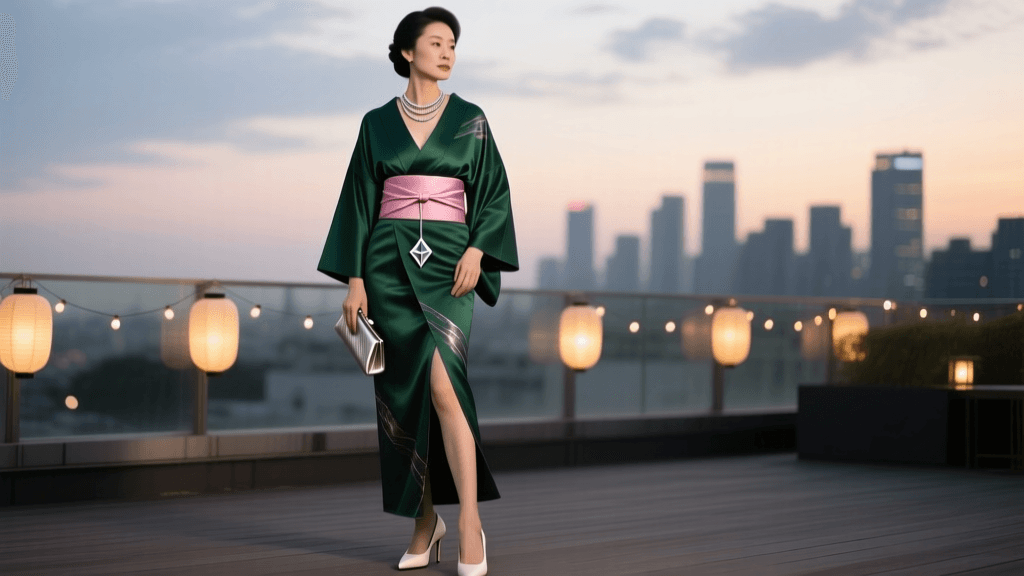
The global fashion landscape is increasingly embracing the elegance of traditional Japanese garments, moving them beyond the confines of tea ceremonies and coming-of-age celebrations. Today, the kimono is making a striking appearance at modern evening events, cocktail parties, and international galas. Styling a kimono for nighttime elegance requires a delicate balance between respecting historical sartorial rules and injecting contemporary, fashion-forward sensibilities. Whether you are attending a high-end charity gala, an evening wedding, or an upscale cocktail mixer, understanding how to manipulate silhouette, fabric, and accessories is crucial for achieving a sophisticated, modern look.
As noted by the Victoria and Albert Museum, the kimono is not merely a historical artifact but a dynamic garment that has continuously evolved through cross-cultural exchanges and modern reinterpretations. By treating the kimono as a versatile piece of evening wear, you can create a silhouette that rivals any Western haute couture gown, offering a unique blend of structural elegance and artistic storytelling.
Choosing the Right Kimono for Nighttime Elegance
Formality Levels: Houmongi vs. Tsukesage
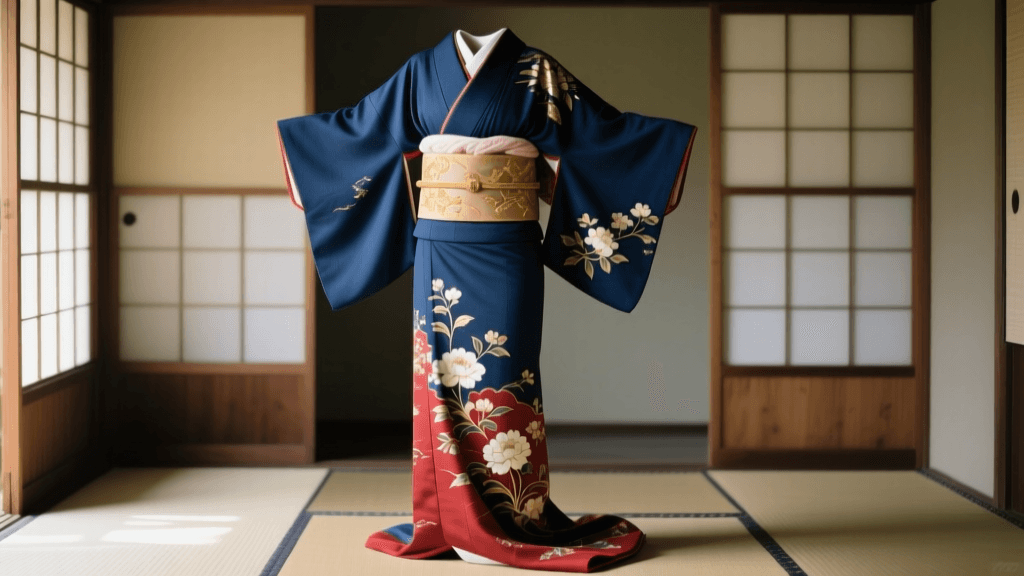
When selecting a kimono for an evening event, formality is your guiding principle. The Metropolitan Museum of Art highlights the intricate T-shaped construction of the kimono, which serves as a canvas for elaborate dyeing and weaving techniques. For cocktail parties and evening galas, the Houmongi (visiting wear) is the gold standard. Characterized by its eba-moyo (a continuous pattern that flows seamlessly across the seams when the garment is laid flat), the Houmongi exudes luxury and is appropriate for almost all formal evening occasions.
A slightly less formal but equally stunning option is the Tsukesage. Unlike the Houmongi, the patterns on a Tsukesage do not cross the seams and are generally more subdued, often featuring motifs that flow upward from the hem and sleeves. For a modern cocktail party, a Tsukesage in a deep, jewel-toned palette can offer a chic, understated elegance that pairs beautifully with contemporary jewelry.
Fabric and Color Palettes for the Evening
While pastel silks are traditionally favored for spring daytime events, evening styling calls for richer textures and deeper hues. Look for kimono crafted from chirimen (silk crepe), which offers a beautiful matte finish that absorbs light elegantly, or rinzu (silk damask), which features subtle, tonal woven patterns that catch the dim lighting of a cocktail lounge. For winter galas, consider a kimono with subtle velvet accents or heavy, metallic thread embroidery (surihaku) that mimics the glamour of a sequined evening gown. Deep emeralds, midnight blues, rich plums, and classic black with vibrant inner linings (hakkake) are ideal for nighttime sophistication.
The Modern Obi: Styling and Proportions
The obi (sash) is the focal point of any kimono ensemble. For evening wear, the Fukuro obi is the only appropriate choice. Woven with metallic threads, gold leaf, or intricate brocade patterns, the Fukuro obi provides the necessary structure and formality. The standard width is approximately 31 centimeters (12 inches), and it is typically tied in a Taiko musubi (drum bow). This flat, elegant knot sits neatly at the back, providing a sleek profile that is essential when navigating crowded cocktail parties or sitting at formal dinner tables.
To modernize the obi, contemporary stylists often experiment with the obi-jime (the decorative cord tied over the obi) and the obi-dome (the clasp). Instead of traditional carved ivory or tortoiseshell, modern fashionistas are repurposing vintage European brooches, crystal-encrusted pins, or sleek metallic clasps as obi-dome. This subtle fusion of East and West creates a striking conversation piece that bridges the gap between traditional Japanese dress and modern red-carpet glamour.
Comparison Chart: Traditional vs. Modern Evening Styling
Adapting the kimono for a modern cocktail party involves subtle shifts in styling. The table below outlines how to transition from strict traditional rules to a contemporary evening aesthetic.
| Element | Traditional Approach | Modern Cocktail Approach |
|---|---|---|
| Footwear | Woven straw or plain vinyl zori | Metallic leather zori or low block heels |
| Bags | Small silk hakoseko or woven kago | Structured Western clutch or minaudiere |
| Obi-Dome | Carved ivory, tortoiseshell, or coral | Vintage brooches, crystal pins, or metallic clasps |
| Collar (Han-eri) | White silk crepe | Black silk, lace, or subtle metallic embroidery |
| Hemline | Strictly touching the ankle bone | Slightly lifted to showcase statement footwear |
Footwear and Accessories: Blending East and West
Footwear is often the most challenging aspect of kimono styling for modern events. Traditionally, kimono are worn with zori (flat sandals) and tabi (split-toe socks). For a cocktail party, opt for high-quality zori made from patent leather, metallic brocade, or velvet. Ensure the hanao (the thong strap) is in pristine condition and complements the color of your obi.
However, a growing trend in modern kimono styling is the incorporation of Western footwear. While wearing stilettos is generally discouraged due to the way it alters the posture and drape of the silk, a sleek, low-heeled ankle boot or a velvet block heel can work beautifully with a slightly shorter hemline. If you choose Western shoes, forego the tabi and opt for sheer, dark hosiery or bare legs, depending on the season.
When it comes to handbags, traditional kimono pouches are often too small to hold modern essentials like smartphones and lipsticks. Instead, pair your kimono with a structured Western clutch, a metallic minaudiere, or a sleek leather envelope bag. This juxtaposition of a flowing silk garment with sharp, modern accessories grounds the outfit in the present day.
Practical Guide: Renting vs. Buying for an Event
If you are attending a single event, renting is a highly practical and cost-effective option. According to platforms like Kyoto Kimono Rental, a full formal kimono rental package—including dressing services, a Houmongi, Fukuro obi, and accessories—typically ranges from $80 to $200 USD for a day. Many high-end rental boutiques in major cities like Tokyo, Kyoto, London, and New York now offer evening-specific packages that include premium silk garments and modern styling consultations.
For those looking to build a permanent collection, purchasing a vintage or antique Houmongi is a sustainable and affordable route. Authentic vintage silk kimono can be found on specialized online marketplaces for $100 to $500 USD, depending on the condition and the presence of metallic threads. Brand-new, custom-tailored silk Houmongi, however, are an investment, often starting at $2,000 USD and reaching well over $10,000 for master-dyed pieces.
Measurements and the Ohashori Fold
Unlike Western dresses, kimono are not tailored to a specific height; instead, they are adjusted using the ohashori—the fold of fabric at the waist. A standard kimono length is around 130 to 140 centimeters. When dressing for an evening event, the ohashori should be neat, even, and visible just above the obi. This fold not only adjusts the length but also provides a structured, architectural line that enhances the modern silhouette. Ensure your koshi-himo (tying cords) are secured tightly but comfortably, as you will be wearing the garment for several hours while mingling and dining.
The kimono is a canvas of personal expression. When styled for the evening, it transcends its historical boundaries, becoming a statement of global, timeless elegance that commands the room without uttering a single word.
Conclusion
Styling a kimono for modern evening events and cocktail parties is an art form that honors Japanese heritage while embracing contemporary fashion. By selecting the right formality level, experimenting with rich nighttime fabrics, and incorporating modern accessories like vintage brooches and structured clutches, you can create an unforgettable ensemble. Whether you choose to rent a stunning Houmongi for a single gala or invest in a vintage silk masterpiece, the kimono offers a sophisticated, sustainable, and deeply cultural alternative to the standard evening gown, ensuring you stand out with grace and intention at any nighttime affair.