Sukajan and Haori: Japanese Outerwear in Global Pop Culture

The intersection of traditional Japanese clothing and global pop culture is one of the most fascinating phenomena in modern fashion history. While the kimono remains the most globally recognized symbol of Japanese heritage, it is the outerwear—specifically the Sukajan (souvenir jacket) and the Haori (traditional kimono jacket)—that has truly permeated Western streetwear, hip-hop media, and high-fashion runways. From the stages of global music tours to the avant-garde streets of Harajuku and Brooklyn, these garments bridge centuries of Asian tradition with contemporary global media.
Understanding how these pieces transitioned from localized cultural artifacts to global pop culture staples requires a deep dive into their history, styling, and the modern enthusiast's guide to sourcing them. As noted by the Metropolitan Museum of Art, the evolution of Japanese dress has always been marked by a dynamic exchange between indigenous traditions and foreign influences, a cycle that continues to define global fashion today.
The Evolution of the Sukajan in Global Media
The Sukajan, or souvenir jacket, was born in the port city of Yokosuka in the aftermath of World War II. American servicemen stationed at the naval base sought unique, personalized mementos to take back home. Local tailors, utilizing surplus silk and parachute materials, began embroidering these jackets with traditional Japanese motifs—tigers, dragons, koi fish, and cherry blossoms—blending American varsity jacket silhouettes with Asian textile artistry.
Fast forward to the 2010s, and the Sukajan exploded into global pop culture. It became a staple in hip-hop and rockstar wardrobes. Artists like Drake, John Mayer, and Rihanna were frequently photographed in vintage and modern Sukajan pieces, cementing the jacket's status in Western media. High-fashion houses took notice; Gucci, Saint Laurent, and Louis Vuitton began releasing their own luxury interpretations, often priced upwards of $3,000. The Sukajan's appearance in music videos and celebrity street style transformed it from a niche military souvenir into a universally recognized symbol of rebellious, cross-cultural luxury.
The Haori: From Ryokan Robes to Runway Layering
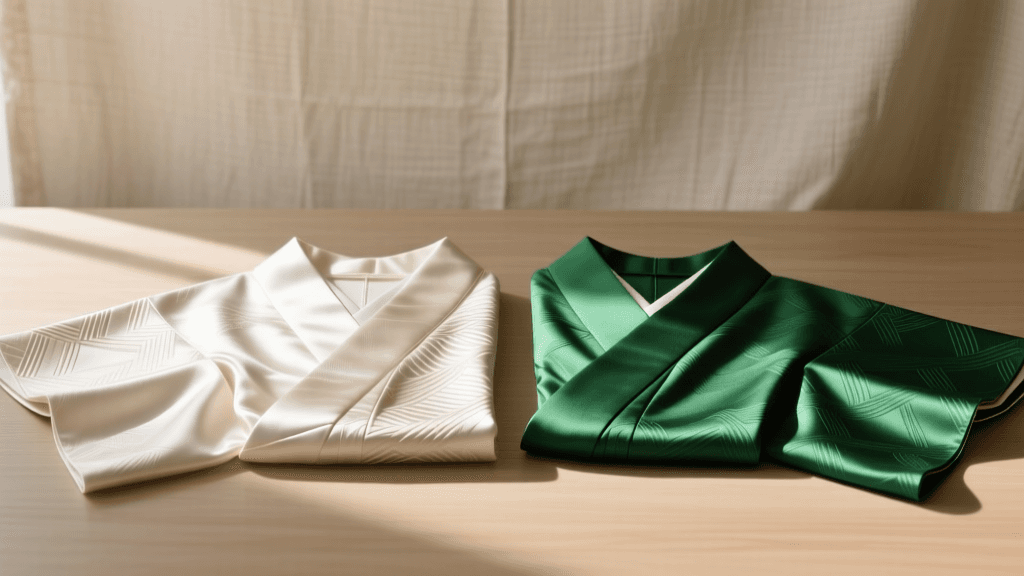
While the Sukajan has a hybridized military origin, the Haori is deeply rooted in traditional Japanese history. Originally worn by samurai as a protective layer over armor, and later adopted by geisha and the merchant class during the Edo period, the Haori is a hip- or thigh-length kimono-style jacket. Unlike the Sukajan, it features wide sleeves, an open front, and is traditionally secured with a braided haori-himo (cord).
In global pop culture, the Haori has found a unique niche within the techwear, avant-garde, and anime-cosplay communities. Designers like Yohji Yamamoto and Rick Owens have long drawn inspiration from the Haori's draped, architectural silhouette. In modern streetwear, the Haori is frequently layered over hoodies or paired with wide-leg denim, creating a striking juxtaposition of ancient textile arts and urban utility. The global fascination with Japanese media, from samurai cinema to modern anime, has only accelerated the Haori's adoption by fashion-forward consumers seeking garments with profound historical weight.
However, the global adoption of these garments is not without cultural complexity. As explored in cultural discussions surrounding the wearing of traditional Japanese garments by non-Japanese individuals, the line between appreciation and appropriation requires mindfulness and respect for the garment's origins, a topic deeply analyzed in public media forums like NPR's Code Switch.
Comparison Chart: Sukajan vs. Haori in Pop Culture
| Feature | Sukajan (Souvenir Jacket) | Haori (Traditional Jacket) |
|---|---|---|
| Origin Era | Post-WWII (1940s-1950s) | Muromachi to Edo Period (14th-19th Century) |
| Primary Material | Silk satin, rayon, cotton | Silk crepe (chirimen), tsumugi, modern linen |
| Silhouette | Baseball/Varsity jacket with ribbed cuffs | Open-front, wide-sleeved, T-shaped drape |
| Pop Culture Vibe | Rockstar, hip-hop, retro Americana | Avant-garde, techwear, anime, high fashion |
| Average Vintage Cost | $150 - $800 (depending on era/condition) | $80 - $400 (antique silk to modern artisan) |
Sourcing Authentic Pieces: A Buyer’s Guide
For collectors and streetwear enthusiasts, sourcing authentic Japanese outerwear requires navigating both physical vintage shops and international proxy markets. Here is actionable advice for building your collection:
Where to Buy
- Vintage Sukajan: Look for original 1950s-1970s pieces by Tailor Toyo or Kosho & Co. on platforms like Grailed or eBay. In Tokyo, the legendary vintage shop BerBerJin in Harajuku houses some of the rarest deadstock Sukajan in the world.
- Modern Reproductions: Brands like Sun Surf and Switch Clothing produce museum-quality reproductions of mid-century Sukajan using vintage loom techniques.
- Authentic Haori: Use Japanese proxy services like Buyee or ZenMarket to bid on Yahoo! Auctions Japan. Search terms like "羽織" (Haori) and "正絹" (100% pure silk) will yield authentic, high-quality garments directly from Japanese sellers.
Sizing and Measurements
Japanese vintage sizing runs significantly smaller than modern Western sizing. A vintage "Large" Sukajan from the 1960s will likely fit a modern "Small" or "Extra Small." Always rely on flat measurements.
- Sukajan Fit: For a modern, slightly boxy streetwear fit, look for a pit-to-pit measurement of 21 to 23 inches, and a shoulder-to-cuff sleeve length of 24 to 25 inches.
- Haori Fit: Haori are designed to drape. The critical measurement is the yuki (center back neck to wrist). A standard men's Haori will have a yuki of 30 to 32 inches. Ensure the sleeve does not extend past your wrist bone when worn over a modern hoodie.
Styling Traditional Outerwear in Modern Streetwear
Integrating these garments into a contemporary wardrobe requires balancing their visual weight. Because both the Sukajan and Haori feature intricate textiles, the rest of your outfit should serve as a canvas.
Styling the Sukajan
"The Sukajan is a statement piece. Let the embroidery do the talking by anchoring it with muted, textured basics."
- The Rockstar Casual: Pair a silk Sukajan with a vintage white band tee, raw selvedge denim (cuffed to show the selvedge line), and worn-in leather engineer boots.
- The High-Low Mix: Contrast the casual nature of the jacket with tailored wool trousers and minimalist leather sneakers. Avoid wearing other loud patterns; no plaid shirts or graphic hoodies underneath.
Styling the Haori
- Urban Techwear: Layer a dark, solid-colored silk or linen Haori over a heavyweight, cropped hoodie. Pair with wide-leg, pleated trousers and chunky derbies or combat boots. The Haori's open front creates a dramatic, flowing silhouette when in motion.
- The Belt Hack: While traditionalists use the haori-himo cord, modern streetwear enthusiasts often secure the Haori at the waist using a subtle, braided leather belt or a nylon military webbing belt worn over the jacket to give it a structured, trench-coat-like shape.
Care, Maintenance, and Preservation
Both vintage Sukajan and antique Haori are often crafted from delicate silks and metallic embroidery threads that require specialized care to survive the rigors of modern wear.
Cleaning and Washing
Never machine wash or dry clean a vintage Sukajan or silk Haori unless absolutely necessary. The metallic threads used in Sukajan embroidery will tarnish, and the silk will lose its luster. Instead, use a handheld steamer on a low setting to remove wrinkles and kill odor-causing bacteria. For localized stains on a Haori, consult a professional who specializes in arai-hari (the traditional Japanese method of taking a garment apart, washing the fabric bolts, and restitching it).
Storage Solutions
- Hanging: Never use wire hangers. The weight of the embroidery on a Sukajan will tear the shoulder seams over time. Use wide, padded wooden hangers. For Haori, fold them along their natural seams and store them flat to prevent shoulder dimpling.
- Environment: Silk is highly susceptible to moisture and pests. Store your garments in breathable cotton garment bags or traditional tatou (paper storage boxes). Include natural camphor or cedar blocks to deter moths, but ensure the wood does not directly touch the silk, as cedar oils can cause permanent staining.
- Light Exposure: UV rays will rapidly fade the vibrant dyes of both garments. Always store them in a dark closet away from direct sunlight.
Conclusion
The journey of the Sukajan and Haori from localized Japanese traditions to global pop culture phenomena is a testament to the universal language of textiles. Whether you are hunting for a 1960s Yokosuka souvenir jacket or draping a century-old silk Haori over modern streetwear, these garments offer a tangible connection to Asian heritage while pushing the boundaries of contemporary global fashion. By sourcing responsibly, styling thoughtfully, and preserving them meticulously, enthusiasts can ensure these iconic pieces of outerwear continue to tell their cross-cultural stories for generations to come.