Tomoe Gozen's Legacy: Women's Hakama & Samurai Kimono
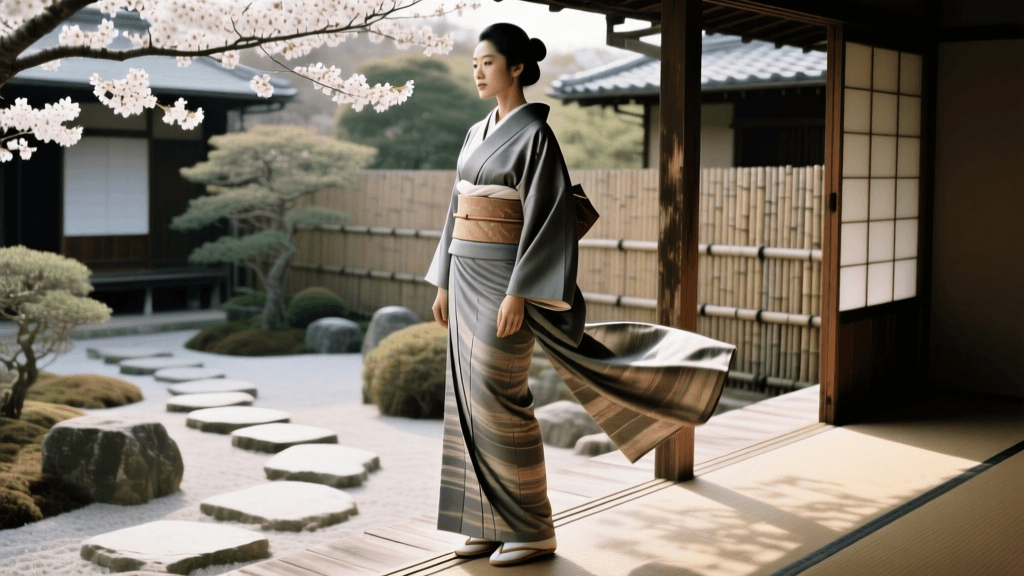
The Legend of Tomoe Gozen: Japan’s First Female Samurai Fashion Icon
When discussing the foundational pillars of Japanese traditional garments, the narrative often centers on the elaborate, restrictive layers of the Heian period or the refined silk aesthetics of the Edo period geisha. However, one of the most profound shifts in Japanese sartorial history was driven by the onna-musha (female warriors) of the late Heian and early Kamakura periods. Chief among them is the legendary Tomoe Gozen, whose fearless battlefield presence and striking attire permanently altered the trajectory of women’s fashion in Japan, most notably through the popularization of the women's hakama and martial kosode styling.
According to the Tale of the Heike (Heike Monogatari), Tomoe Gozen was described as a remarkably beautiful woman with long black hair, but it was her martial attire that cemented her legacy. She rode into battle wearing a strong do-maru (body armor), a white uchigi (robe), and flowing hakama (pleated trousers). At a time when aristocratic women were largely concealed behind screens and encumbered by the heavy, twelve-layered junihitoe, Tomoe’s adoption of practical, divided-leg garments and bold, unrestrictive layering was a radical sartorial rebellion. As noted by the Metropolitan Museum of Art, the transition from the aristocratic robes of the Heian period to the practical kosode and hakama of the samurai class marked the true birth of the modern kimono silhouette.
From Battlefield to Campus: The Evolution of Women’s Hakama
Tomoe Gozen’s legacy did not end on the battlefields of the Genpei War. The visual language she established—specifically the pairing of a kimono with a sweeping, pleated hakama—became a lasting symbol of female empowerment, mobility, and intellectual rigor. During the Meiji and Taisho eras (late 19th to early 20th century), as women began entering higher education and the workforce, the hakama was adopted as the standard uniform for female students.
The Encyclopædia Britannica highlights how the kimono and its accompanying garments evolved to meet the practical needs of a modernizing Japan. The female student’s hakama, often paired with lace-up leather boots and a Western-style parasol, created the iconic moga (modern girl) silhouette. Today, women’s hakama remain the gold standard for university graduation ceremonies, martial arts practitioners, and Shinto shrine maidens (miko), proving that Tomoe’s martial practicality has seamlessly transitioned into modern ceremonial elegance.
Buying Guide: Choosing Your Modern Hakama
If you wish to incorporate a hakama into your wardrobe, whether for martial arts, formal events, or avant-garde street fashion, understanding the structural differences is crucial. Modern women's hakama generally fall into two categories: Umanori-bakama (horse-riding) and Andon-bakama (lantern).
| Hakama Type | Construction | Best Use Case | Avg. Cost (USD) | Care Level |
|---|---|---|---|---|
| Umanori-bakama | Divided legs (trousers) | Martial arts, active wear, historical cosplay | $60 - $150 | Moderate (requires careful folding) |
| Andon-bakama | Undivided (skirt-like) | Graduations, tea ceremony, formal events | $45 - $120 | Low to Moderate |
| Vintage Silk Hakama | Usually Umanori or heavy pleat | Collectors, high-end formal styling | $80 - $300+ | High (dry clean only) |
Sizing and Measurements
Unlike Western trousers, hakama are sized by length, known as hakama-take. To find your correct size:
- Put on your kimono and tie your obi at your natural waist (or slightly lower for a modern look).
- Measure from the top of the obi down to your ankle bone.
- Standard women's sizes range from 85cm to 95cm. If you plan to wear traditional zori sandals, add 2-3cm to prevent the fabric from dragging on the ground.
Styling the 'Tomoe' Look: A Modern Wardrobe Guide
To channel the fierce elegance of the onna-musha while remaining culturally respectful and aesthetically cohesive, focus on fabric texture, color contrast, and structural layering. The Victoria and Albert Museum’s extensive research on Japanese dress, showcased in their Kimono: Kyoto to Catwalk exhibition, demonstrates how historical garments continually influence contemporary styling through bold juxtapositions.
1. The Base Kimono (Kosode / Komon)
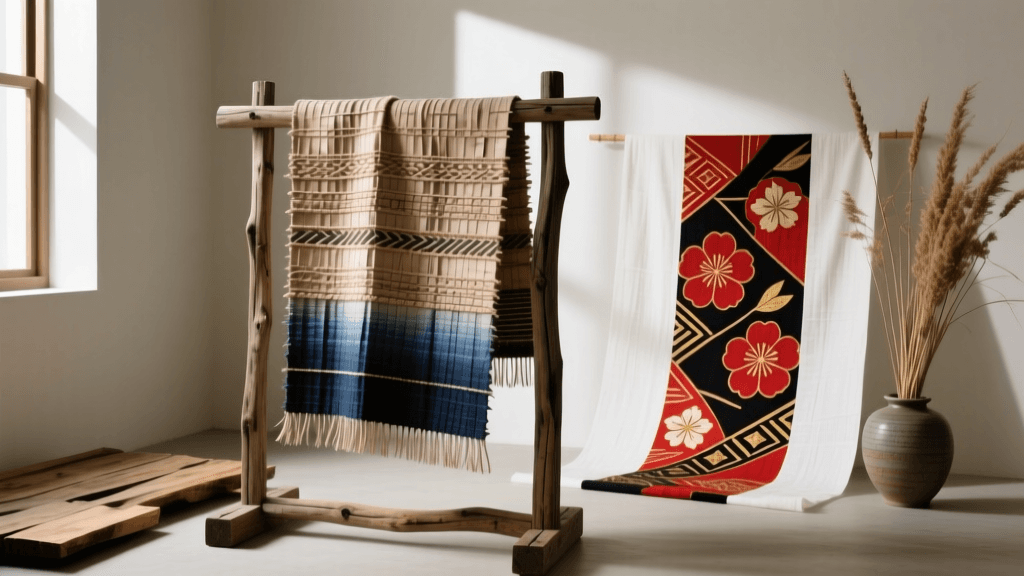
Tomoe was famous for her white robes beneath her armor. For a modern interpretation, start with a komon (casual kimono with a repeating pattern) or a solid-colored tsumugi (pongee silk). Actionable Tip: Seek out aizome (natural indigo dye) cotton or silk. Indigo was historically prized by samurai for its insect-repelling properties and its deep, stoic color. A vintage indigo kasuri (ikat) kimono can be found at Tokyo’s Oedo Antique Market or Kyoto’s Toji Temple flea market for approximately $40 to $90.
2. The Obi (Sash)
Because the hakama covers the lower half of the obi, the focus shifts to the back knot and the waistband. Actionable Tip: Use a heko obi (a soft, scrunchy, informal sash) in a contrasting color like deep plum or mustard yellow. Tie it in a simple koma musubi (ponytail knot) at the back. This mimics the utilitarian knots worn by warriors on campaign, avoiding the bulky, ornate bows of Edo-period courtesans.
3. Footwear
While Taisho-era students paired hakama with Western boots, a traditional martial look requires white tabi (split-toe socks) and setta (leather-soled sandals) or zori. Ensure the hanao (thongs) of your sandals are dark or indigo to match the samurai aesthetic.
How to Wear and Tie a Hakama (Step-by-Step)
Tying a hakama correctly is a discipline in itself. The standard formal tie uses the four straps (two wide front straps, two narrow back straps).
- Positioning: Hold the hakama open and step into it. Pull the front panel up so the top edge sits just above your obi.
- Front Ties: Take the two wide front straps, wrap them around your waist to the back, cross them, and bring them back to the front. Tie them in a firm square knot over the obi.
- The Herasawa (Spatula):strong> If your hakama has a rigid plastic or bamboo clip (hera) on the back panel, tuck it securely under the front knot you just tied.
- Back Ties: Pull the back panel up. Take the two narrow straps, bring them to the front, cross them over the front knot, and wrap them back to the rear.
- The Final Knot: Tie the narrow straps in a simple bow or square knot at the back, ensuring the hera remains hidden and secure. Adjust the pleats so they fall straight and evenly down your legs.
Caring for Your Samurai-Inspired Garments
Maintaining the crisp pleats of a hakama and the integrity of vintage silk requires specific care protocols.
- Folding: Never fold a hakama haphazardly. You must fold it along its original crease lines and secure it with the ties. Store it wrapped in tato (traditional acid-free paper) to prevent moisture buildup.
- Airing Out: After wearing, hang the hakama and kimono in a shaded, well-ventilated room for 24 hours before storing to release body moisture and odors.
- Cleaning Costs: Do not machine wash silk hakama. Professional kimono dry cleaning (arai-hari or standard spot cleaning) typically costs between $40 and $80 per garment. For everyday practice, invest in a polyester-blend hakama ($45-$60), which can be gently machine-washed on a delicate cycle inside a mesh laundry bag and hung to dry, preserving the pleats without the high maintenance cost.
Tomoe Gozen’s legacy is a testament to the fact that traditional Japanese clothing is not merely a static relic of aristocratic leisure, but a dynamic, functional wardrobe born from the fires of history. By understanding the mechanics, history, and styling of the women's hakama, modern wearers can honor the fierce independence of the onna-musha while stepping confidently into the future of global fashion.