Peking Opera Costumes: Sizing, Sourcing, and Stage Care
The Anatomy of Xingtou: Understanding Opera Wardrobes
According to the Encyclopedia Britannica, Peking Opera costumes are not strictly historically accurate; rather, they are stylized representations of Ming and Qing dynasty fashion, adapted for the stage. The wardrobe is broadly categorized into distinct types, each serving a specific theatrical purpose.1. Mang (Court Robes)
The Mang is the most formal garment, worn by emperors, high-ranking officials, and nobility. It features a round collar, wide sleeves, and intricate embroidery of dragons, phoenixes, or pythons. The color is strictly codified: bright yellow is reserved exclusively for the emperor, while red denotes loyalty and high status, and black signifies a stern, upright character.
2. Kao (Armor)
Worn by generals and warriors, the Kao is a stylized suit of armor. It consists of a front and back panel, shoulder pads, and often four triangular flags attached to the back, which dramatically amplify the performer's movements during acrobatic battle sequences. The armor is heavily embroidered with scales and tiger motifs.
3. Pei (Informal Robes)
The Pei is a versatile, cross-collared robe worn by scholars, officials, and noblewomen in informal settings. It is often decorated with floral motifs, cranes, or butterflies, and is paired with a pleated skirt for female roles (Dan).
4. Xuezi (Everyday Wear)
The Xuezi is the most common garment on stage, representing everyday clothing for commoners, lower-ranking scholars, or characters in distress. It features a simple cross-collar and side slits, often in subdued colors like blue, black, or pale green, with minimal embroidery.
Female Roles (Dan) and the Fengguan
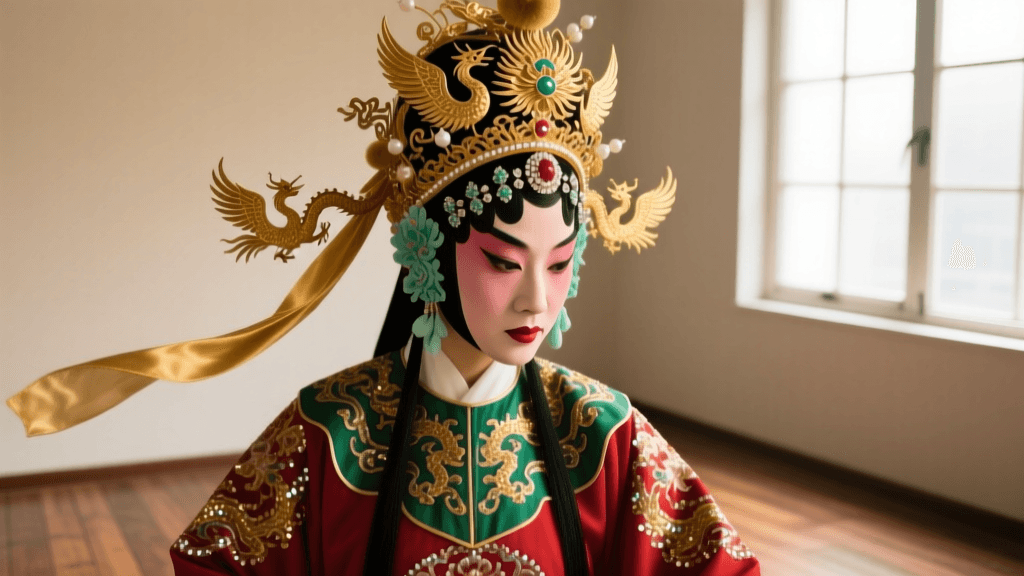
For female nobility, the Mang robe is paired with a pleated skirt and the magnificent Fengguan (phoenix crown). The Fengguan is an intricate headdress adorned with kingfisher feather inlays, pearls, and jade. Modern troupes often substitute real kingfisher feathers with dyed silk or synthetic ribbons to comply with wildlife protection laws and reduce costs. When sourcing a Fengguan, ensure the wire armature is flexible enough to withstand rapid head movements, and that the weight is evenly distributed to prevent neck strain.
Sizing and Measurements for Performers
Sizing Peking Opera costumes requires a different approach than tailoring standard historical garments. Theatrical proportions are exaggerated to enhance the actor's silhouette and accommodate dynamic movements.
Water Sleeves (Shuixiu)
The iconic water sleeves are extensions of white silk attached to the cuffs of Mang, Pei, and Xuezi robes. They are essential for expressing emotion. When ordering custom costumes, sleeve length is measured from the wrist, not the shoulder.
- Beginners/Students: 18 to 24 inches (45-60 cm). Shorter sleeves are easier to control and prevent tangling during basic choreography.
- Intermediate Performers: 24 to 30 inches (60-75 cm). Allows for more expressive flicking and folding techniques.
- Master Performers: 30 to 40 inches (75-100+ cm). Requires immense wrist strength and precision; used for highly dramatic, emotional scenes.
Body Measurements and Padding
Opera costumes are designed to be worn over thick padding (especially for male roles, or Sheng, and painted-face roles, or Jing) to create a broad-shouldered, imposing silhouette. When providing measurements to a tailor, you must account for the undergarments and padding. Always measure the chest and shoulders while wearing the traditional cotton binding and shoulder pads. The robe length should ideally end just above the ankle bone to prevent tripping during complex footwork, typically measuring 52 to 56 inches from the nape of the neck for an average-height male performer.
Sourcing Authentic Costumes: Costs and Timelines
Acquiring high-quality Xingtou is a significant investment. The epicenter of traditional Chinese theatrical costume manufacturing is Suzhou, renowned for its Su embroidery, alongside specialized workshops in Beijing. Below is a comparative guide to help troupes and collectors budget and plan their acquisitions.
| Garment Type | Sourcing Origin | Material & Embroidery | Estimated Cost (USD) | Lead Time |
|---|---|---|---|---|
| Mang (Court Robe) | Suzhou (Custom) | Heavy Silk Satin, Gold Couching, Hand-embroidered Python | $2,500 - $5,000+ | 4 - 8 Months |
| Kao (Armor with Flags) | Beijing (Specialist) | Silk, Velvet, Metallic Thread, Mirror Sequins | $1,800 - $3,500 | 3 - 6 Months |
| Pei (Informal Robe) | Suzhou (Custom) | Crepe or Satin, Floral Su Embroidery | $800 - $1,500 | 2 - 4 Months |
| Xuezi (Everyday) | Mass-Market / Online | Polyester Blend or Light Silk, Machine Embroidery | $150 - $400 | 2 - 4 Weeks |
Pro-Tip for Troupes: If budget constraints are tight, prioritize investing in a custom, hand-embroidered Mang or Kao for your lead actors. Supporting roles and ensemble members can wear high-quality machine-embroidered silk or polyester blends, which look remarkably similar under bright stage lighting.
When commissioning from Suzhou workshops, be prepared for a rigorous consultation process. Artisans will require precise details regarding the character's role type, color preferences based on traditional symbolism, and specific motif requests. For instance, a general's Kao might feature a tiger motif to denote ferocity, while a scholar's Pei would feature bamboo or orchids to denote integrity and refinement.
Stage Care and Preservation
The intricate embroidery and delicate silks used in authentic Peking Opera costumes require meticulous care. A single hand-embroidered Mang robe can take hundreds of hours to complete, making preservation a critical responsibility for any wardrobe master.
Cleaning and Sweat Management
Never dry clean or wash a fully embroidered silk opera costume. The water and chemicals will ruin the metallic threads and cause the silk to pucker. Instead, performers must wear a thick, absorbent cotton undershirt (often called a 'pangyi') to absorb perspiration before it reaches the outer robe. After every performance, the costume must be hung in a well-ventilated, shaded area to air out. Use a soft, dry brush to gently remove dust from the embroidery.
Storage and Folding
Improper folding will permanently crease the embroidery and break the metallic threads.
- Hanging: Heavy garments like the Mang and Kao should be stored on wide, padded wooden hangers to support the weight of the shoulders and prevent tearing.
- Rolling: If space requires horizontal storage, never fold the embroidered panels. Roll the garment around a large, acid-free cardboard tube, with the embroidered side facing outward. Wrap the rolled garment in unbleached muslin or cotton.
- Pest Control: Silk is highly susceptible to moths and silverfish. Store costumes in traditional camphor wood chests, which naturally repel insects. Avoid chemical mothballs, as their harsh fumes can degrade silk fibers and tarnish gold threads over time.
Managing Water Sleeves
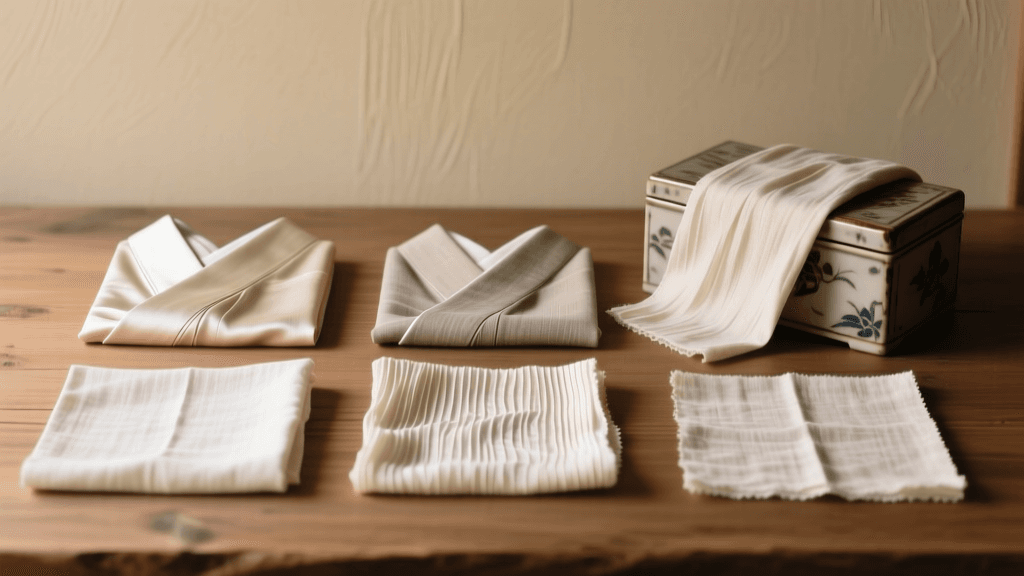
Water sleeves must be carefully folded and stitched in place before storage to prevent permanent creasing. Many wardrobe masters use a specialized pleating technique, folding the silk into tight, flat accordion pleats and securing them with loose basting stitches that are easily removed right before the actor takes the stage.
Conclusion
Peking Opera costumes are far more than mere clothing; they are wearable masterpieces of Chinese textile art and vital storytelling tools. Whether you are outfitting a professional theater company, preserving cultural heritage, or studying the intricate craftsmanship of Suzhou embroidery, understanding the precise sizing, sourcing timelines, and rigorous care requirements of Xingtou is paramount. By respecting the traditions and investing in proper maintenance, performers and collectors alike ensure that these vibrant symbols of Asian theatrical tradition continue to captivate audiences for generations to come.