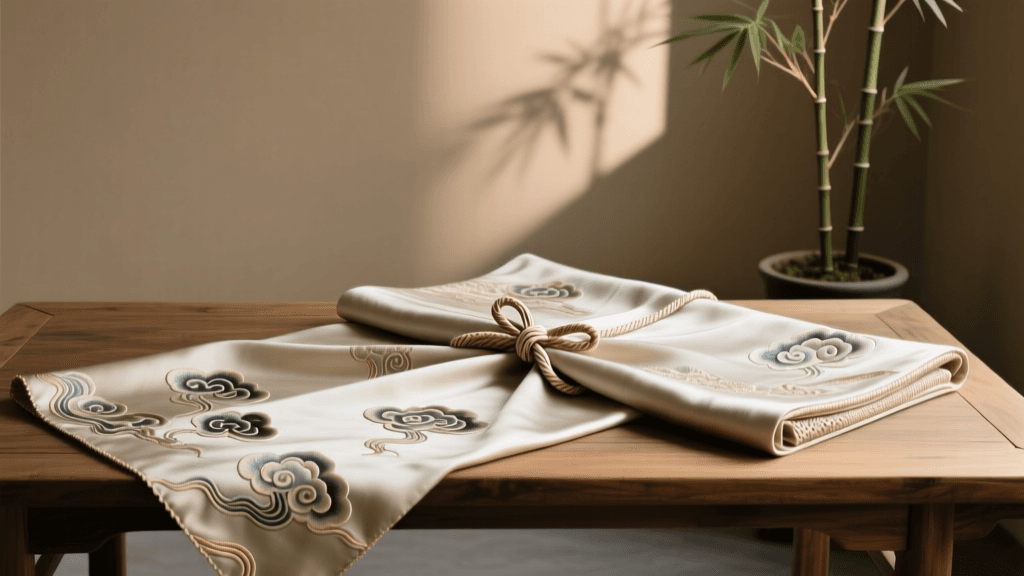
Sustainable Kimono: Ethical Silk and Eco-Friendly Dyeing
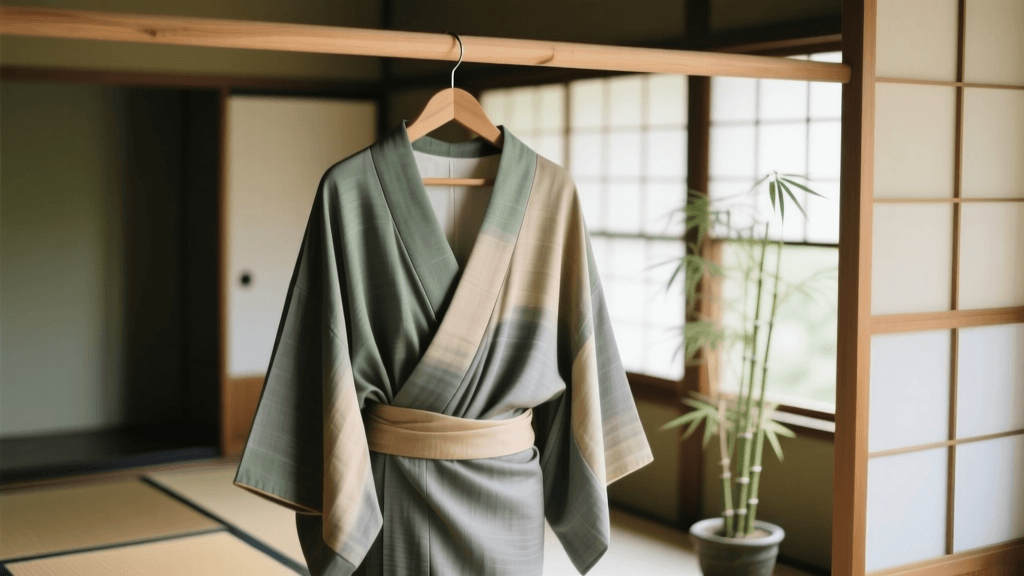
The Intersection of Heritage and Ecology
The kimono is globally recognized as a masterpiece of Japanese culture, celebrated for its intricate motifs, flowing silhouettes, and deep historical roots. However, as the global fashion industry faces a reckoning regarding its environmental impact, the traditional garment sector is also undergoing a vital transformation. According to the Victoria and Albert Museum, the kimono has always been a dynamic garment, adapting to new materials and social shifts. Today, that adaptation means embracing sustainable and ethical production methods to ensure the survival of both the craft and the planet.
The Environmental Footprint of Conventional Kimono Production
Conventional silk production and synthetic dyeing processes carry a heavy ecological toll. Traditional sericulture requires vast amounts of mulberry leaves, water, and climate-controlled environments. Furthermore, the mid-20th century saw the introduction of synthetic dyes and chemical mordants in Yuzen dyeing, which can release heavy metals and toxic runoff into local waterways. The modern push for sustainable kimono production seeks to reverse these trends by returning to pre-industrial, eco-friendly methodologies and integrating modern circular economy principles.
Eco-Friendly Dyeing: Aizome and Natural Pigments
At the forefront of the sustainable kimono movement is the revival of natural dyeing, particularly Aizome (Japanese indigo). Unlike synthetic indigo, which is derived from petrochemicals, traditional Aizome relies on the fermentation of Persicaria tinctoria leaves. This natural fermentation process, known as sukumo, takes up to 90 days and requires daily tending by a master dyer. The resulting dye vat is entirely biodegradable and non-toxic. In fact, the natural indigo plant possesses inherent antibacterial and UV-resistant properties, meaning the garment naturally protects the wearer without chemical fabric treatments. Artisans in Tokushima Prefecture continue to champion this method, producing rich, colorfast blues that deepen with age rather than fading.
Beyond indigo, the broader practice of Kusakizome (dyeing with weeds and plants) utilizes foraged botanicals. Artisans extract pigments from madder root (akane) for deep reds, plum blossoms for soft pinks, and even onion skins for vibrant yellows. The mordants used to fix these colors are traditionally natural, such as wood ash lye or iron-rich mud, completely avoiding the heavy metal salts like chrome or tin used in conventional textile manufacturing. This guarantees that the wastewater from a Kusakizome studio can safely return to the local ecosystem without harming aquatic life.
Ethical Silk and Plant-Based Alternatives
While conventional silk is a staple of formal kimono, ethical alternatives are gaining traction. Peace silk (Ahimsa silk) allows the silkworm moth to emerge from the cocoon before the silk is harvested. Though more expensive and slightly less uniform in texture, it provides a cruelty-free option for eco-conscious consumers. Additionally, there is a resurgence in plant-based kimono textiles. Hemp (asa) and ramie (choma) are highly sustainable, fast-growing crops that require minimal water and no pesticides. When woven into lightweight summer kimono (yukata) or unlined hitoe, these fibers offer exceptional breathability and a remarkably low carbon footprint compared to animal-based textiles.
Boro, Sashiko, and the Circular Economy
The Japanese philosophy of mottainai (a sense of regret concerning waste) is deeply embedded in the historical textile practices of Boro and Sashiko. Boro refers to textiles that have been patched and mended over generations, while Sashiko is the decorative running stitch used to reinforce worn areas. As highlighted by BBC Future, these traditional upcycling techniques are experiencing a massive renaissance in modern sustainable fashion. Contemporary designers are sourcing vintage, damaged silk kimono and applying Sashiko stitching or patchwork techniques to create entirely new, zero-waste garments. This circular approach extends the lifecycle of existing textiles, diverting them from landfills.
Washi Paper and Vegan Accessories
A truly sustainable kimono ensemble extends beyond the main garment to include accessories like obi (sashes), obijime (cords), and zori (sandals). Innovators in Japanese sustainable fashion are increasingly utilizing Washi (traditional Japanese paper) spun into yarn to weave durable, vegan obi belts. Washi is derived from the bark of the kozo (mulberry) plant, a highly renewable resource that requires significantly less water than cotton. Furthermore, vegan leather alternatives crafted from upcycled fruit waste or recycled polyurethane are replacing traditional animal leathers in zori and geta straps. These accessories complement the eco-friendly kimono while supporting rural artisan communities dedicated to preserving Washi-making techniques.
Material Comparison Chart: Conventional vs. Sustainable Kimono
| Material / Technique | Water Usage | Chemical Toxicity | Biodegradability | Estimated Cost (JPY) |
|---|---|---|---|---|
| Conventional Silk & Synthetic Dye | High (Mulberry & Dye Vats) | High (Heavy Metals) | Low (Synthetic Dyes) | ¥100,000 - ¥300,000 |
| Peace Silk (Ahimsa) | Moderate | None | 100% Biodegradable | ¥250,000 - ¥500,000 |
| Hemp / Ramie (Asa / Choma) | Low (Rain-fed) | None | 100% Biodegradable | ¥40,000 - ¥120,000 |
| Upcycled Boro / Sashiko | N/A (Reused Textiles) | None | 100% Biodegradable | ¥50,000 - ¥200,000 |
| Aizome (Natural Indigo) | Low (Recycled Vats) | None (Antibacterial) | 100% Biodegradable | ¥80,000 - ¥250,000 |
A Buyer's Guide to Sourcing Sustainable Kimono
Purchasing a sustainable kimono requires knowing where to look and what markers of quality to seek. Here is an actionable guide for collectors, tourists, and eco-conscious fashion enthusiasts:
1. Embrace the Vintage and Antique Market
The most sustainable kimono is one that already exists. Japan has a robust secondhand kimono market. Stores in Kyoto's Higashiyama district and Tokyo's Shimokitazawa neighborhood offer meticulously preserved vintage garments. Expect to pay between ¥3,000 and ¥15,000 for a high-quality, everyday vintage komon kimono. For formal, vintage silk garments with hand-painted motifs, prices range from ¥30,000 to ¥80,000. Buying vintage requires zero new resources and preserves historical craftsmanship.
2. Seek Out Certified Artisan Cooperatives
If purchasing new, look for garments certified by local artisan cooperatives. In regions like Yuki (famous for Yuki-tsumugi silk) or Ojiya (known for Ojiya-chijimi linen), weaving cooperatives often adhere to strict environmental and fair-trade labor standards. A new, hand-woven, ethically produced kimono from a master artisan is an investment, typically starting at ¥150,000 and reaching over ¥1,000,000 for fully bespoke, naturally dyed masterpieces. This cost reflects fair wages, sustainable material sourcing, and hundreds of hours of hand labor.
3. Rent Instead of Buying for Occasional Wear
For tourists attending a single festival or tea ceremony, renting is the most environmentally responsible choice. Rental shops in Kyoto and Tokyo maintain large inventories of upcycled and vintage kimono. A standard daily rental, including dressing services and accessories, costs around ¥5,000 to ¥8,000. This sharing economy model maximizes the utility of each garment and reduces the demand for mass-produced, low-quality souvenir textiles.
4. Care and Maintenance for Longevity
Sustainability does not end at the point of purchase; it continues through garment care. Traditional kimono cleaning, known as maru-arai, involves taking the garment apart, washing the silk panels with natural, plant-based soaps, and stretching them on bamboo frames to dry. This meticulous process allows a single kimono to be worn, cleaned, and re-tailored for over a century. For modern wearers, spot-cleaning with gentle, biodegradable detergents and airing the garment in a shaded, well-ventilated area after use prevents mold and odor without the need for harsh dry-cleaning chemicals. Proper storage in breathable cotton wraps (tatoushi) rather than plastic ensures the natural fibers remain intact and biodegradable at the end of their lifecycle.
The Future of Ethical Japanese Fashion
The intersection of heritage and sustainability is redefining the kimono for the 21st century. As noted in The Guardian's coverage of the kimono's global evolution, the garment is no longer confined to strict historical conventions; it is a living, breathing canvas for modern values. By choosing naturally dyed textiles, supporting cruelty-free silk alternatives, and embracing the circular beauty of Boro, consumers can honor Japanese tradition while actively protecting the environment. The sustainable kimono is not just a piece of clothing; it is a commitment to the preservation of both cultural artistry and the natural world.