Xin Hanfu Streetwear: Styling Modern Hanfu for Daily Wear
The Rise of Xin Hanfu: Ancient Roots Meet Urban Streets
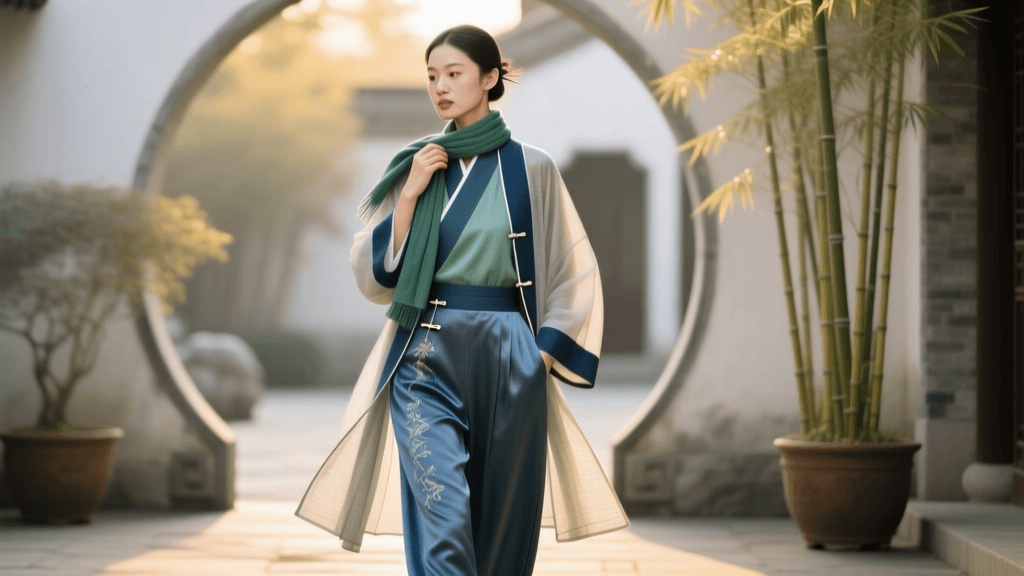
The evolution of traditional Chinese clothing has experienced a seismic shift over the last decade. What began as a niche historical reenactment hobby has blossomed into a multi-billion-dollar fashion movement known as the Hanfu Renaissance. At the forefront of this cultural wave is Xin Hanfu (New Hanfu)—a modern adaptation that bridges the gap between ancient sartorial elegance and contemporary urban streetwear. For Gen Z and millennial consumers across Asia and the global diaspora, Hanfu is no longer reserved for festivals or photography shoots; it is being integrated into daily commutes, office environments, and nightlife.
According to industry analyses by Jing Daily, the Hanfu market has exploded into a multi-billion-dollar industry, driven by young consumers who view traditional garments as a medium for self-expression and cultural pride. However, wearing a full, historically accurate ensemble in a modern metropolis presents practical challenges. This is where fusion fashion steps in. By deconstructing traditional silhouettes, utilizing modern textiles, and pairing heritage pieces with contemporary staples, Xin Hanfu offers a highly wearable, deeply personal aesthetic.
Deconstructing the Modern Hanfu Wardrobe
To successfully style Xin Hanfu, one must first understand the foundational garments of the Han, Tang, Song, and Ming dynasties, and how they are being reimagined today. The modern fusion wardrobe typically relies on three core components:
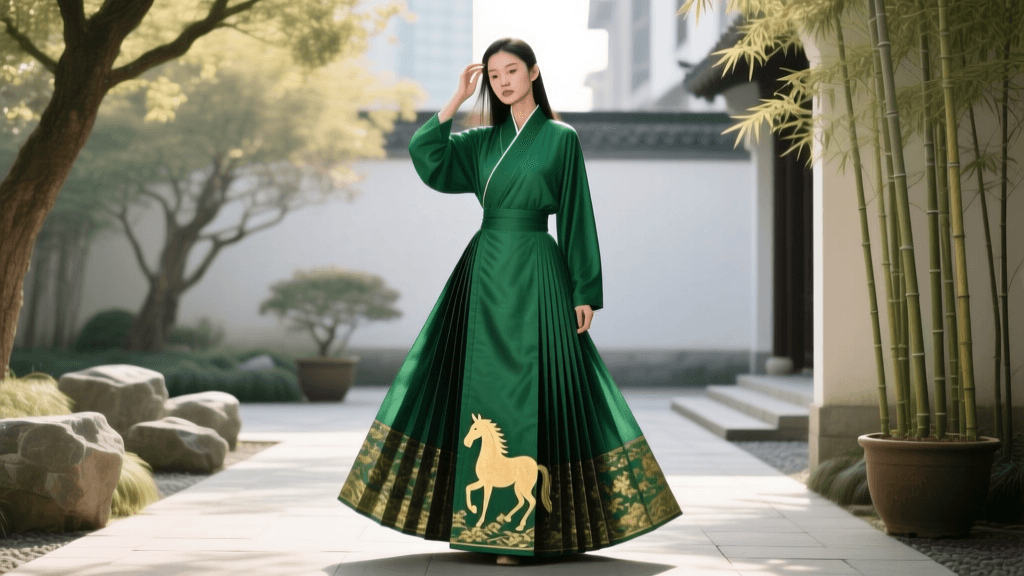
- The Mamianqun (Horse-Face Skirt): Originating in the Song and popularized in the Ming dynasty, this wrap-around pleated skirt is the undisputed king of modern Hanfu streetwear. Its structured A-line silhouette and flat front panels make it remarkably versatile.
- The Beizi (Jacket/Overcoat): A Song dynasty staple characterized by its straight collar and side slits. Modern adaptations often crop the Beizi or tailor it with structured shoulders to mimic contemporary blazers.
- The Ruqun (Top and Skirt Ensemble): Specifically, the cross-collared (Jiaoling) or symmetrical (Duijin) tops. Modern Xin Hanfu tops often feature shortened hemlines and integrated elastic waistbands for ease of movement.
The Mamianqun as a Streetwear Staple
The Mamianqun deserves special attention in any fusion wardrobe. Traditionally, it features two flat panels (guangmian) at the front and back, with deep pleats on the sides. In a streetwear context, the Mamianqun functions similarly to a tailored midi or maxi skirt, but with added architectural volume.
Actionable Measurement Guide: When purchasing or commissioning a daily-wear Mamianqun, accurate measurements are vital to avoid the traditional 'floor-dragging' length which is impractical for city streets.
- Waist Measurement: Measure your natural waist. Because the skirt wraps and overlaps, you must add 4 to 6 centimeters to your exact waist measurement to ensure the flat front panels overlap correctly without exposing the side pleats.
- Length Calculation: For a modern streetwear look, the skirt should hit exactly at the ankle bone. Subtract 5 centimeters from your waist-to-floor measurement to achieve a silhouette that pairs perfectly with chunky sneakers or combat boots without the hem getting soiled.
- Pleat Width: Opt for skirts with 4 to 5.5-centimeter wide pleats. Narrower pleats tend to flare out excessively in windy urban environments, while wider pleats maintain a structured, column-like shape that mimics modern tailoring.
Practical Styling Guide: Fusion Outfits for Everyday Wear
Creating a cohesive Xin Hanfu streetwear look requires balancing the visual weight of the traditional garment with modern, grounded pieces. Here are three actionable styling formulas for daily wear:
Formula 1: Cyberpunk Ming (Nightlife & Weekend Streetwear)
Pair a dark, woven jacquard Mamianqun (featuring subtle metallic threads or tone-on-tone dragon motifs) with a fitted, black ribbed turtleneck or a cropped graphic tee. Add a tactical nylon belt over the skirt's waistband to break up the traditional silhouette. Finish with chunky platform combat boots and a minimalist crossbody tech-wear bag. The juxtaposition of ancient weaving techniques with modern utilitarian hardware creates a striking, futuristic aesthetic.
Formula 2: Song Dynasty Minimalist (Office & Smart Casual)
Replace your standard office blazer with a structured, solid-colored Song-style Beizi made from a modern linen-cotton blend. Wear it unbuttoned over a simple white crew-neck t-shirt and tailored high-waisted denim jeans. The side slits of the Beizi allow for unrestricted movement, while the straight collar frames the face elegantly. This look is subtle enough for a creative office environment while maintaining a distinct cultural signature.
Formula 3: Tang Dynasty Summer (Resort & Casual Daywear)
For warmer months, opt for a modified Qixiong Ruqun (chest-high skirt) crafted from breathable, modern viscose or Tencel rather than heavy traditional silks. Pair the chest-high skirt with a modern, off-shoulder knit top instead of the traditional sheer shawl. Secure the waist tie with a contemporary leather clasp or a silk scarf tied in a modern knot. Pair with leather sandals and woven accessories.
Fabric, Fit, and Functionality: Choosing Daily Hanfu
One of the most significant barriers to wearing traditional Hanfu daily is fabric care. Historical silks and delicate brocades require meticulous maintenance. The Xin Hanfu market has solved this by introducing modern textile blends that mimic the drape and luster of heritage fabrics while offering machine-washable convenience.
| Garment Type | Traditional Fabric | Modern Fusion Fabric | Avg Cost (USD) | Care Instructions |
|---|---|---|---|---|
| Mamianqun (Skirt) | Silk Brocade / Zhuanghua | Polyester-Jacquard Blend | $45 - $85 | Machine wash cold, hang dry |
| Beizi (Jacket) | Raw Silk / Gauze | Cotton-Linen / Tencel | $30 - $60 | Machine wash gentle, iron low |
| Jiaoling Ru (Top) | Silk Charmeuse | Viscose / Bamboo Blend | $25 - $50 | Hand wash or dry clean |
| Tactical Accessories | Jade / Silk Cords | Nylon / Vegan Leather | $15 - $40 | Wipe clean |
When shopping for daily Xin Hanfu, always check the fabric composition. Look for terms like 'anti-wrinkle jacquard' or 'washed cotton-linen.' These materials ensure that your garments can withstand the rigors of public transit, long hours seated at a desk, and unpredictable weather.
Where to Buy and Budgeting for Xin Hanfu
The epicenter of the Hanfu market is Taobao, China's largest e-commerce platform, though international buyers increasingly rely on dedicated global shipping agents like Superbuy or Sugargoo. Understanding the purchasing timeline and pricing tiers is crucial for building your wardrobe.
The Pre-Sale (Yushou) Model: Unlike fast fashion, high-quality Hanfu brands operate on a pre-order system. Brands like Shisanyu, Ming Huatang, and Zhongling release design previews and open pre-orders for a 15-day window. Production and shipping typically take 30 to 45 days. If you are planning an outfit for a specific event or season, you must account for this two-month lead time.
Budget Breakdown:
- Entry-Level ($25 - $50): Ideal for experimentation. Brands in this tier use polyester blends and simpler embroidery. Perfect for a first Mamianqun to test sizing and styling preferences.
- Mid-Tier ($60 - $150): The sweet spot for daily streetwear. You will find intricate woven jacquards, accurate historical patterning adapted for modern bodies, and durable hardware (like metal snap buttons replacing traditional ties).
- High-End / Custom ($200+): Reserved for special occasions or serious collectors. Features genuine silk, hand-embroidery, and bespoke tailoring.
Cultural Appreciation in Fusion Fashion
As Xin Hanfu crosses borders and integrates into global streetwear, the conversation around cultural appreciation naturally arises. The Hanfu movement is inherently about cultural reclamation and pride among the Han Chinese majority, yet it also invites global participation. As noted by Reuters, the movement has sparked a broader interest in China's diverse sartorial history, encouraging wearers to understand the garments they adopt.
When styling Xin Hanfu, respect the garment's origins. Avoid mixing Hanfu with traditional garments from unrelated cultures (such as pairing a Mamianqun with a Japanese Kimono obi or Native American headdress). Instead, fuse Hanfu with contemporary, globalized fashion staples—denim, leather, sneakers, and modern tailoring. This approach honors the historical integrity of the Chinese garment while firmly planting it in the modern, globalized world.
Conclusion
Xin Hanfu streetwear is more than a fleeting trend; it is a living, breathing evolution of Asian traditions. By understanding the architecture of garments like the Mamianqun, selecting modern, functional fabrics, and mastering the art of fusion styling, you can seamlessly integrate centuries of Chinese heritage into your daily wardrobe. Whether you are navigating the subway or attending a creative meeting, modern Hanfu offers a powerful, elegant, and deeply personal sartorial voice.