Su, Shu, and Yue: A Guide to Chinese Embroidery Techniques
Introduction to China's Premier Embroidery Schools
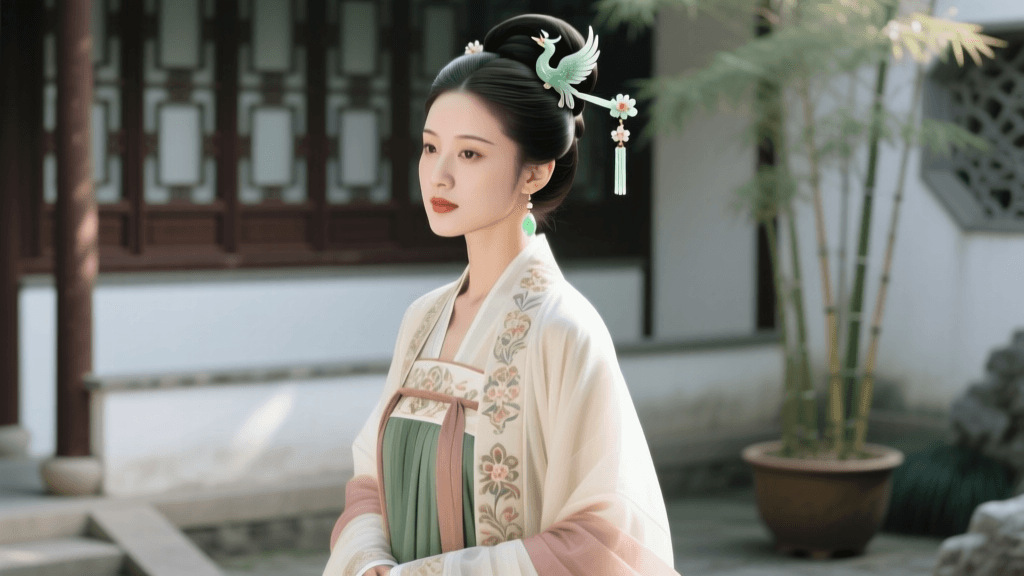
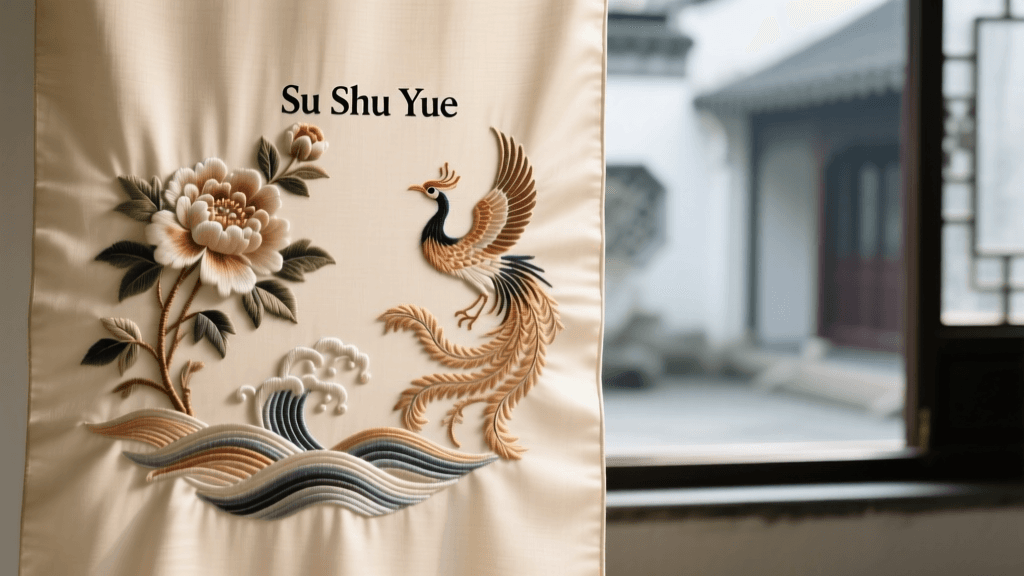
The world of traditional Chinese garments, particularly the rapidly evolving Hanfu movement, is inextricably linked to the ancient art of silk embroidery. While machine-made replicas flood the fast-fashion market, true collectors, historians, and dedicated enthusiasts seek out the authentic, hand-crafted mastery of China's regional embroidery schools. Among the celebrated 'Four Major Embroideries' of China, three stand out for their distinct technical approaches, regional aesthetics, and application in traditional wardrobes: Su Xiu (Suzhou), Shu Xiu (Sichuan), and Yue Xiu (Cantonese/Guangdong).
Understanding the nuanced differences between these techniques is essential for anyone looking to invest in high-end traditional garments, curate a museum-quality collection, or incorporate authentic textile arts into modern ceremonial wear. According to the UNESCO Intangible Cultural Heritage listings, the foundation of these arts relies on centuries-old sericulture and silk craftsmanship, transforming raw protein fibers into canvases of breathtaking cultural expression.
Su Xiu (Suzhou Embroidery): The Art of Delicate Refinement
Originating from the water towns of Jiangsu province, Su Xiu is globally renowned for its delicate, refined, and almost painterly quality. It is the quintessential embroidery of the Jiangnan region, heavily influencing the elegant, flowing aesthetics of Ming and Song dynasty-inspired Hanfu.
Key Characteristics and Stitch Techniques
The defining feature of Su Xiu is its meticulous thread splitting. A single strand of silk thread can be split into halves, quarters, eighths, and incredibly, up to 1/64th of its original thickness (measuring roughly 0.05mm). This allows artisans to create seamless color gradients, known as yunzhen (halo stitching), which mimic the subtle washes of traditional ink-and-wash paintings.
Su Xiu is also famous for shuangmian xiu (double-sided embroidery), where the stitching is completely hidden, allowing a single piece of sheer silk to display a vibrant motif—such as a koi fish or a blooming peony—identically on both the front and the back. This technique is highly sought after for translucent summer garments, round fans, and folding screens.
Practical Application and Sourcing
- Best Garment Use: Lightweight summer Ao (jackets), sheer shawls, and delicate hair accessories like velvet flowers (Ronghua) paired with embroidered silk bases.
- Authenticity Check: Examine the gradient shading. Genuine Su Xiu will have no visible knotting or harsh color block transitions. The reverse side of a double-sided piece should be as flawless as the front.
- Cost and Timing: Authentic, hand-embroidered Su Xiu panels start around $300 USD for small collar pieces. A fully embroidered Mamianqun (horse-face skirt) can cost between $2,500 and $8,000 USD, requiring 4 to 8 months of continuous labor by a master artisan.
Shu Xiu (Sichuan Embroidery): Vibrant Satin Stitches
Hailing from the Chengdu region of Sichuan province, Shu Xiu boasts a history spanning over two millennia. As noted in historical textile overviews by Britannica, the Sichuan basin has been a historic hub for silk production, fostering an embroidery style that is bold, durable, and vividly colored.
Key Characteristics and Stitch Techniques
Unlike the gossamer threads of Suzhou, Shu Xiu utilizes thicker, tightly twisted silk threads and heavy satin fabrics. The primary stitch is the pingzhen (flat satin stitch), which creates a dense, smooth, and highly reflective surface. Shu Xiu is characterized by its high contrast and vibrant color palettes, often utilizing deep reds, emerald greens, and bright yellows. The stitching is incredibly dense, providing a textured, almost tactile relief to the fabric.
Practical Application and Sourcing
- Best Garment Use: Heavy winter garments, structured outerwear (like the Pifeng or cloak), and durable ceremonial shoes. Its dense stitching makes it highly resistant to wear and tear.
- Authenticity Check: Look for the signature 'halo' effect around the edges of motifs, achieved by alternating stitch lengths. The fabric should feel substantial and heavy due to the dense silk thread coverage.
- Cost and Timing: Shu Xiu is generally more accessible than Su Xiu. A beautifully embroidered winter cape or heavy jacket typically ranges from $400 to $1,200 USD, with a production time of 2 to 4 months.
Yue Xiu (Cantonese Embroidery): Gold Threads and 3D Padding
Yue Xiu, originating from the Guangdong region (specifically Guangzhou and Chaozhou), is the most dramatic and opulent of the three. It is the traditional choice for bridal wear, temple decorations, and high-status ceremonial garments.
Key Characteristics and Stitch Techniques
The hallmark of Yue Xiu is the extensive use of gold and silver metallic threads, couched onto the fabric using fine silk. Furthermore, Cantonese artisans employ a unique 3D padding technique. Before stitching, motifs like dragon scales or phoenix feathers are padded with cotton or wool stuffing. The artisan then stitches over the padding using long-and-short stitches, creating a striking, sculptural bas-relief effect that catches the light dynamically.
Practical Application and Sourcing
- Best Garment Use: Traditional bridal Qungua (two-piece wedding suits), dramatic stage costumes, and heavily structured ceremonial jackets (Xiapei).
- Authenticity Check: Genuine Yue Xiu will feature real metallic threads (often wrapped around a silk core, not cheap plastic mylar) and pronounced 3D textural elements. The back of the fabric will show extensive couching stitches securing the heavy metallic threads.
- Cost and Timing: Due to the cost of metallic threads and the intense labor of 3D padding, Yue Xiu is a premium investment. A traditional bridal Qungua can range from $3,000 to over $15,000 USD, often taking a team of artisans over a year to complete.
Comparison Chart: Su, Shu, and Yue Embroidery
| Feature | Su Xiu (Suzhou) | Shu Xiu (Sichuan) | Yue Xiu (Cantonese) |
|---|---|---|---|
| Primary Thread | Ultra-fine split silk (up to 1/64th) | Thick, tightly twisted silk | Gold/silver metallic & silk |
| Signature Stitch | Halo shading, Double-sided | Flat satin stitch (Pingzhen) | Couching, 3D padded stitching |
| Common Motifs | Koi, peonies, water landscapes | Pandas, bamboo, lotus, dragons | Phoenixes, bats, lychees, dragons |
| Visual Texture | Flat, painterly, seamless | Dense, smooth, highly reflective | Sculptural, 3D relief, opulent |
| Best Garment Use | Summer sheer wear, accessories | Winter outerwear, heavy skirts | Bridal wear, ceremonial jackets |
| Avg. Price (Garment) | $2,500 - $8,000+ | $400 - $1,200 | $3,000 - $15,000+ |
Caring for Your Embroidered Garments
Investing in hand-embroidered silk requires strict adherence to textile conservation principles. Guidelines from world-renowned institutions like the Victoria and Albert Museum emphasize that improper care can permanently degrade both the silk protein and the metallic threads. Follow these actionable care steps to preserve your garments:
- Cleaning: Never machine wash or submerge heavily embroidered garments. Water can cause the silk threads to bleed and the metallic couching to rust or tarnish. Rely on professional dry cleaners who specialize in historic or bridal textiles. For minor surface dust, use a soft, natural-bristle brush gently swept in the direction of the stitches.
- Storage: Never hang heavy Shu or Yue Xiu garments on standard hangers, as the weight of the dense embroidery will warp and tear the silk base over time. Instead, roll the garments around acid-free tissue paper and store them flat in a breathable cotton garment bag.
- Pest Control: Avoid traditional camphor balls or mothballs. The chemical fumes can react with the metallic threads in Yue Xiu, causing them to blacken, and can yellow white silk threads in Su Xiu. Use natural cedar blocks or lavender sachets placed near, but not directly touching, the fabric.
- Ironing and Steaming: Never apply direct heat to the front of the embroidery, as this will crush the 3D padding of Yue Xiu and flatten the halo stitches of Shu Xiu. If wrinkles must be removed, turn the garment inside out, place a clean cotton press cloth over the reverse side, and use a low-heat steam iron. Alternatively, use a handheld steamer from a distance of at least 6 inches to gently relax the silk base.
Conclusion
Whether you are drawn to the ethereal, painted landscapes of Su Xiu, the bold and durable satin stitches of Shu Xiu, or the sculptural, golden opulence of Yue Xiu, understanding these regional techniques transforms the way you collect and wear traditional Asian garments. By recognizing the immense labor, specialized materials, and cultural heritage woven into every stitch, enthusiasts can make informed, respectful investments that support living artisans and preserve these magnificent textile traditions for generations to come.