Traditional Japanese Hakama: Martial Arts and Tea Ceremony Guide
The Intersection of Budo and Chado
Traditional Japanese garments are rarely just articles of clothing; they are physical manifestations of philosophy, discipline, and cultural heritage. Nowhere is this more evident than in the intersection of Budo (the martial way) and Chado (the way of tea). While a martial arts dojo and a serene tea room might seem like vastly different environments, they share a profound reliance on traditional uniforms—most notably the hakama and specialized upper garments. These garments dictate posture, command respect, and foster a mindset of Shibumi (understated elegance) and Rei (respect).
Whether you are an Aikido practitioner stepping onto the tatami mat for the first time, or a student of the Urasenke tea school preparing for your first formal chakai (tea gathering), understanding the nuances of traditional Japanese uniforms is essential. According to the Metropolitan Museum of Art, the evolution of garments like the kimono and hakama reflects centuries of shifting social structures, transitioning from the exclusive domain of the samurai class to widespread ceremonial and martial use in modern Japan. This guide will break down the practical, historical, and stylistic elements of martial arts and tea ceremony attire, providing actionable advice on selection, sizing, and maintenance.
Understanding the Hakama: Umanori vs. Andon
The hakama is a pleated, divided skirt-like garment worn over a kimono or keikogi. Historically worn by samurai to protect their legs while riding horses and to obscure their footwork in combat, it is now the defining lower garment for both high-level martial artists and tea ceremony hosts.
Umanori (Horse-Riding) Hakama
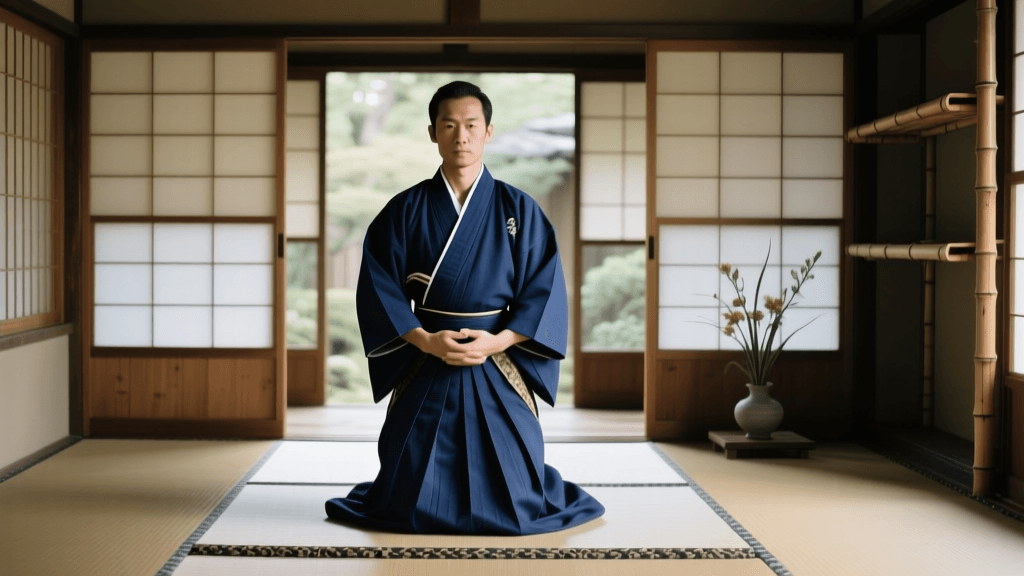
The Umanori hakama features divided legs, functioning much like wide trousers. This is the standard for almost all martial arts, including Aikido, Kendo, Iaido, and Kyudo. The split allows for deep stances, rapid footwork, and dynamic movement without restricting the inner thighs. In the context of the tea ceremony, male practitioners and some female practitioners of specific schools also wear Umanori hakama, typically in subdued, formal colors like navy, charcoal, or olive green.
Andon (Lantern) Hakama
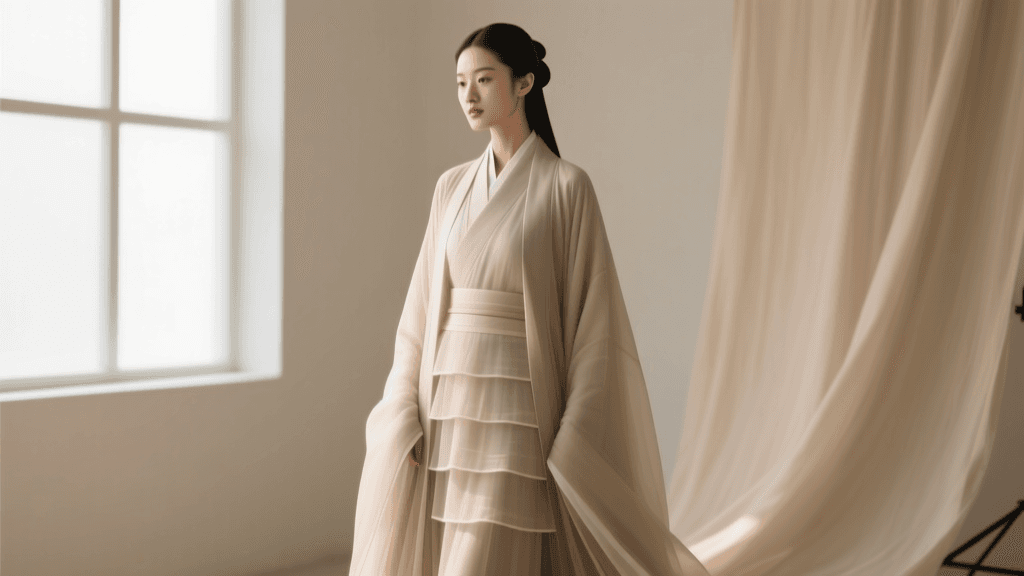
The Andon hakama is undivided, resembling a true skirt. It is almost exclusively worn by women during formal tea ceremonies and certain graduation ceremonies. Because it lacks a split, it is not suitable for the rigorous physical demands of martial arts. The Andon hakama drapes elegantly when kneeling in seiza (the formal kneeling position), creating a smooth, unbroken silhouette that aligns with the aesthetic principles of the tea room.
The Seven Pleats and Their Meaning
A traditional formal hakama features five pleats in the front and two in the back. These seven pleats are widely believed to represent the seven virtues of the samurai (Bushido): benevolence, justice, courtesy, wisdom, sincerity, loyalty, and honor. When tying the hakama, the front pleats must be kept perfectly aligned, as asymmetrical pleats are considered sloppy and disrespectful in both the dojo and the tea room.
Fabric Selection: Cotton, Silk, and Tetron
Choosing the right fabric is critical and depends entirely on your discipline, budget, and the level of formality required.
- Heavyweight Cotton (Sashiko/Ori): Primarily used for martial arts keikogi (jackets) and some cotton hakama. Cotton is breathable, absorbs sweat well, and develops a beautiful patina over time. However, cotton hakama wrinkle easily and require meticulous ironing. Cost: $80 - $150.
- Tetron (Polyester-Rayon Blend): The undisputed king of everyday martial arts hakama. Tetron is lightweight, resists wrinkling, holds its pleats permanently, and dries quickly. It is highly recommended for Aikido and Iaido students. Cost: $50 - $85.
- Silk (Sendai-hira or Tsumugi): The pinnacle of formality. Silk hakama are worn by high-ranking martial arts masters (often 6th Dan and above) for demonstrations, and by tea ceremony hosts during formal gatherings. Silk offers an unmatched rustling sound (kinu-zure) and a luxurious drape, but it is fragile, difficult to clean, and expensive. Cost: $250 - $800+.
- Linen/Hemp (Asa): Highly favored in the tea ceremony during the summer months. Linen is breathable, crisp, and projects a sense of coolness (seiryo), which is a vital concept in seasonal tea aesthetics. Cost: $150 - $300.
Sizing Guide: Measuring for the Perfect Drape
Unlike Western trousers, hakama are not sized by waist and inseam. They are sized by a number (typically 22 to 30) that corresponds to the length of the garment. The golden rule for measuring is to take the measurement from your navel (heso) down to the floor, and then subtract approximately 5 cm (2 inches). The hem should rest just above the ankle bone, ensuring you do not step on the fabric during martial arts movements or tea preparation.
| Hakama Size | Practitioner Height | Navel to Floor (Approx) | Hakama Length (Actual) |
|---|---|---|---|
| 22 | 145 - 152 cm | 86 cm | 83 cm |
| 23 | 152 - 158 cm | 90 cm | 87 cm |
| 24 | 158 - 165 cm | 94 cm | 91 cm |
| 25 | 165 - 172 cm | 98 cm | 95 cm |
| 26 | 172 - 178 cm | 102 cm | 99 cm |
| 27 | 178 - 185 cm | 106 cm | 103 cm |
| 28 | 185 - 192 cm | 110 cm | 107 cm |
Note: Always wear your obi or martial arts belt at the navel level when measuring. The All Japan Kendo Federation emphasizes that an improperly sized hakama can impede footwork (suri-ashi) and disrupt the practitioner's center of gravity.
Upper Garments: Keikogi, Samue, and Kimono
The lower garment is only half of the equation. The upper body attire varies wildly between the martial and tea worlds.
The Martial Arts Keikogi
In disciplines like Aikido and Kendo, the hakama is paired with a keikogi (training jacket). Aikido practitioners typically wear a heavyweight, sashiko-weave cotton jacket that is designed to withstand the stress of being grabbed and thrown. These jackets feature reinforced lapels and shorter sleeves than Judo gi, allowing for wrist grabs (katatedori). Kendo practitioners wear a lighter, indigo-dyed cotton jacket that breathes well under heavy armor (bogu).
The Tea Ceremony Samue and Kimono
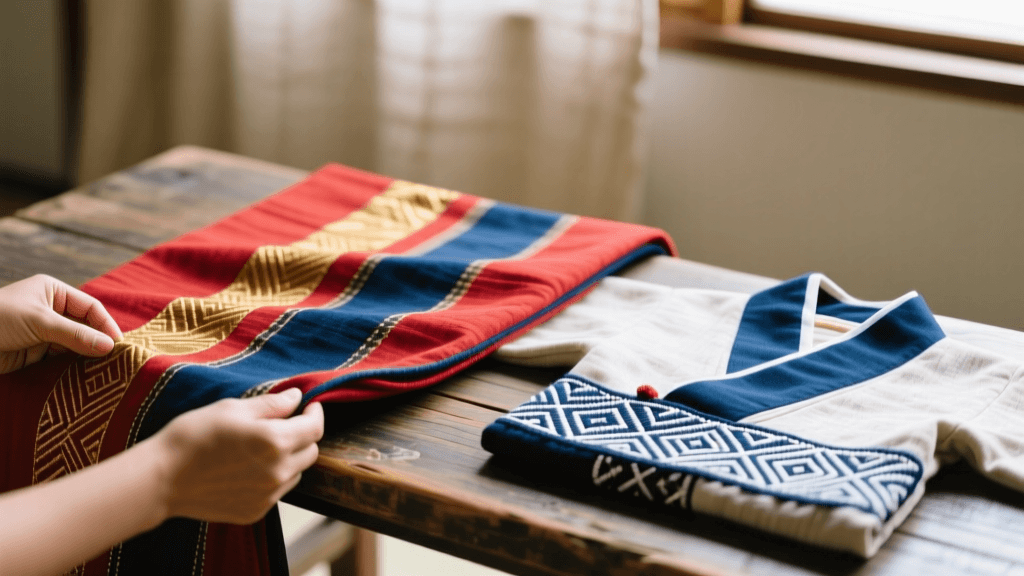
In the tea room, the attire is dictated by the season, the formality of the gathering, and the practitioner's rank. For everyday practice and preparation, both men and women often wear a Samue. Originally the work clothes of Zen monks, the Samue is a two-piece cotton or linen garment consisting of a wrap-around jacket and loose trousers. It is practical, modest, and allows for the deep bowing and kneeling required in the tea room.
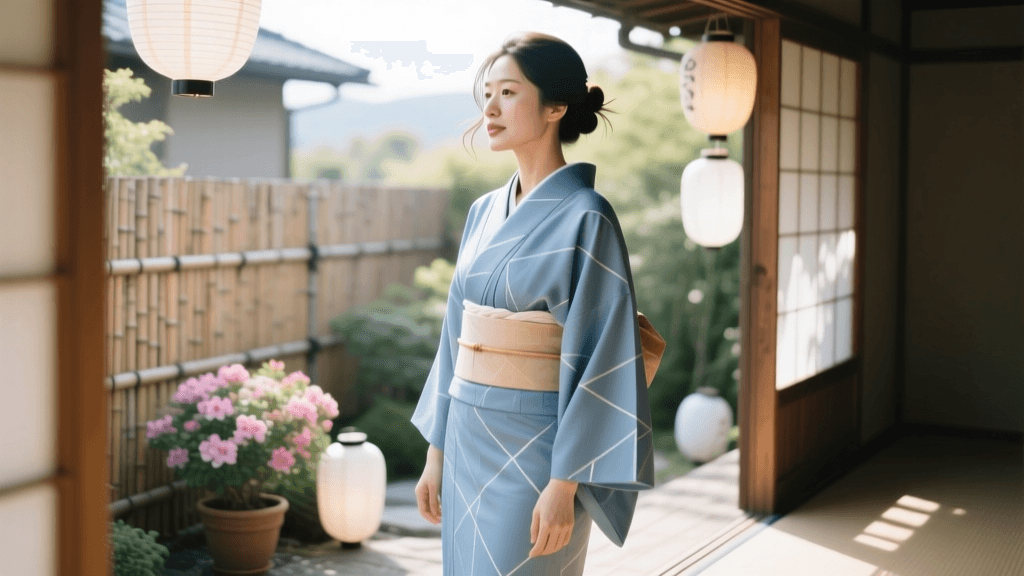
For formal gatherings (chakai), practitioners upgrade to full kimono. Men typically wear a subdued Komon or Tsumugi kimono paired with a solid-colored Haori (jacket) bearing the school's crest. Women wear elegant but understated kimono, avoiding overly flashy patterns that might distract from the tea utensils or the seasonal scroll in the alcove. The Urasenke Foundation provides strict guidelines on color palettes, heavily favoring earth tones, soft pastels in spring, and deep, warm hues in winter.
The Art of Folding and Maintenance
Caring for your uniform is considered an extension of your practice. A crumpled hakama reflects a crumpled mind.
Washing Instructions
- Tetron: Machine washable, but use cold water (below 30°C) and a mild detergent. Never use bleach. Crucially, remove the hakama before the spin cycle begins. The centrifugal force will permanently crush the pleats.
- Cotton: Hand wash or use a delicate cycle. Expect some shrinkage and fading, which is prized in martial arts as it shows dedication to training.
- Silk: Dry clean only. Never expose silk hakama to direct sunlight for extended periods, as the fibers will degrade and the dye will fade.
Drying and Storing
To dry a washed hakama, you must use a specialized hakama hanger. These hangers feature four to six clips that hold the hem taut, allowing the weight of the wet fabric to naturally pull the pleats straight as it air-dries. Never use a tumble dryer.
When storing, the hakama must be folded using the traditional seven-step method. This involves aligning the pleats, folding the sides inward, and rolling or folding the garment into a neat square, secured by its own long ties (himo). This folding process is a meditative act that prepares the practitioner's mind for their next session.
Footwear: Tabi and Zori Etiquette
The transition from the outside world into the dojo or tea room is marked by the removal of shoes, making traditional footwear a vital component of the uniform.
- Tabi: These split-toe socks are mandatory in the tea room. White cotton tabi are the standard, representing purity and cleanliness. They must be pristine; a soiled tabi in a tea room is a severe breach of etiquette. In some traditional martial arts dojos, white tabi are also worn, though bare feet are more common in modern Aikido and Kendo.
- Zori and Setta: When walking outdoors to the tea pavilion or dojo, practitioners wear zori (straw or vinyl sandals) or setta (leather-soled sandals). They are slipped on over the tabi. The sound of the setta striking the heel is a recognized auditory cue in traditional Japanese culture, signaling the arrival of a guest or master.
Conclusion: Wearing the Tradition
Whether you are executing a flawless throw on the tatami or whisking matcha into a frothy perfection, the garments you wear are your silent partners. The hakama, keikogi, and kimono demand a level of physical awareness and respect that elevates the practice from a mere hobby to a lifelong pursuit of self-improvement. By understanding the historical context, selecting the appropriate fabrics, and maintaining your uniform with meticulous care, you honor the centuries of tradition that these garments represent. Invest in quality pieces, measure carefully, and let the weight and drape of the fabric guide your movements toward grace and discipline.