Guide to Ryukyuan Bingata and Ainu Attush Garments
The Hidden Threads of Japan: Beyond the Mainland Kimono
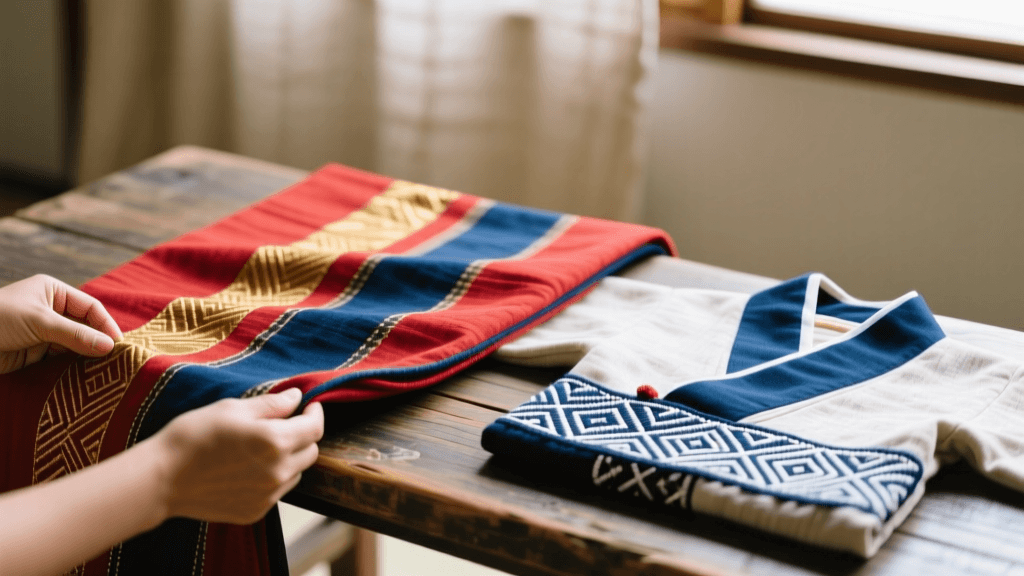
When the world thinks of traditional Japanese clothing, the mind immediately conjures images of the mainland silk kimono, the formal furisode, and the intricately tied obi. However, the Japanese archipelago is home to rich, distinct indigenous cultures whose sartorial traditions are entirely separate from the Yamato mainstream. In the deep south, the Ryukyuan people of Okinawa developed the vibrant, stencil-dyed art of Bingata. In the rugged north, the Ainu people of Hokkaido, Sakhalin, and the Kuril Islands mastered the weaving of Attush (elm bark cloth) and nettle fibers. For collectors, cultural enthusiasts, and conscious consumers, understanding and acquiring these garments offers a profound connection to Japan's diverse heritage. This comprehensive buyer's guide provides actionable advice on sourcing, measuring, styling, and preserving these extraordinary indigenous textiles.
Ryukyuan Bingata: The Stencil-Dyed Art of Okinawa
Bingata is a traditional resist-dyeing technique native to the Ryukyu Islands (modern-day Okinawa). Originating during the Ryukyu Kingdom era (15th–19th centuries), Bingata was heavily influenced by trade with China, Southeast Asia, and India. The word itself roughly translates to 'red paint' or 'colored patterns,' reflecting the brilliant hues historically reserved for royalty and the warrior class.
The Craftsmanship and Motifs
Authentic Bingata is a labor-intensive process requiring over 15 distinct steps. Artisans carve intricate stencils (kata) from mulberry paper treated with persimmon juice. A resist paste made from rice bran (noribuse) is applied through the stencil onto the fabric—typically cotton, linen, or silk. Once dry, natural and synthetic pigments are rubbed into the fabric by hand using stiff brushes. According to the Okinawa Convention & Visitors Bureau, traditional motifs heavily feature the subtropical environment: hibiscus flowers, ocean waves, swallows, and mythical Ryukyuan dragons.
Sourcing and Purchasing Authentic Bingata
Buying authentic Bingata requires knowing where to look and what to expect regarding pricing and lead times. Mass-produced souvenirs in tourist traps often use screen-printing, which lacks the textured depth of genuine hand-rubbed dye.
- Where to Buy: The Tsuboya district in Naha is the epicenter of traditional crafts. Seek out certified studios like Chinen Bingata or Eiichi Shiroma, both of which have lineages tracing back to the Ryukyu Kingdom's royal dyers.
- Costs: A hand-dyed silk obi (sash) typically ranges from $400 to $800 USD. A full, custom-tailored Bingata kimono can cost between $1,500 and $3,500 USD. For accessible entry points, cotton stoles and scarves range from $80 to $150 USD.
- Timing: Because the dyeing process is heavily dependent on weather (drying requires specific humidity and sunlight levels), custom orders for full garments usually take 3 to 6 months to complete.
Ainu Attush: The Elm Bark Cloth of the North
The Ainu are the indigenous people of northern Japan and surrounding regions. Unlike the silk-weaving traditions of the mainland, the Ainu historically relied on the natural flora of their harsh, forested environment to create clothing. The most iconic of these textiles is Attush, a durable, water-resistant cloth woven from the inner bark of the elm tree (ohyo) or linden tree.
The Craftsmanship and Motifs
Creating Attush is a physically demanding process. Bark is stripped from young elm trees in the spring, soaked in rivers or hot springs to soften, and then split into fine threads by hand. These threads are woven on a backstrap loom, resulting in a textured, breathable, and incredibly strong fabric. The Upopoy National Ainu Museum and Park highlights that while Attush itself is usually left in its natural woody brown hue, it is often embellished with Os (cotton trade cloth) appliqués featuring the iconic moreu (spiral) and aiu (thorn) patterns, which serve as spiritual talismans to ward off evil spirits.
Sourcing and Purchasing Authentic Ainu Textiles
Authentic, full-sized Attush garments are exceptionally rare today due to the scarcity of raw elm bark and the dwindling number of master weavers. However, contemporary Ainu artisans have adapted these techniques into accessible modern items.
- Where to Buy: The town of Biratori-cho in Hokkaido, specifically the Nibutani district, is the heart of Ainu craftsmanship. The Nibutani Ainu Culture Museum shop and local cooperatives are the most ethical sources. Additionally, the official museum shop at Upopoy in Shiraoi offers certified artisan goods.
- Costs: Small accessories like tekunpe (fingerless gloves) or embroidered coasters cost between $30 and $70 USD. Hand-woven sashes (us) range from $150 to $300 USD. Full vintage or newly commissioned Attush robes are museum-grade investments, often exceeding $2,000 USD.
- Timing: Ready-made accessories are usually available for immediate purchase. Custom woven sashes or garments may require a 2 to 4 month waiting period, as bark harvesting is strictly seasonal (spring only).
Comparative Analysis: Indigenous vs. Mainland Garments
Understanding the structural and material differences between these regional garments is crucial for collectors and wearers. Below is a comparison chart detailing the core differences between Ryukyuan Bingata, Ainu Attush, and the mainstream Japanese silk kimono.
| Feature | Ryukyuan Bingata | Ainu Attush | Mainland Silk Kimono |
|---|---|---|---|
| Base Material | Silk, Cotton, Ramie (Bashofu) | Elm Bark, Nettle, Cotton (trade) | Silk, Hemp, Polyester |
| Primary Motifs | Tropical flora, dragons, ocean waves | Geometric spirals, thorns, bear paws | Seasonal flora, cranes, family crests |
| Production Time | 1 to 3 months (weather dependent) | 2 to 6 months (seasonal harvesting) | 3 to 12 months (weaving & dyeing) |
| Starting Price (USD) | $80 (stoles) / $1,500 (garments) | $40 (accessories) / $2,000 (robes) | $150 (used) / $1,000+ (new silk) |
| Climate Suitability | High humidity, subtropical heat | Cold, damp, rugged outdoor environments | Temperate, highly seasonal layering |
Practical Guide: Measurements, Fit, and Styling
Integrating indigenous Japanese garments into a modern wardrobe requires an understanding of traditional cutting methods and contemporary styling techniques.
Measurements and the Tanmono Bolt
Like mainland kimono, traditional Bingata garments are cut from a standard bolt of fabric called a tanmono. A standard tanmono is approximately 36 centimeters (14 inches) wide and 11 to 12 meters long. This dictates the straight-line, T-shaped construction of the garment. Because the fabric is not cut to curve around the body, fit is achieved through wrapping and folding. When purchasing vintage or antique Bingata, always check the yuki (shoulder-to-wrist sleeve length) and the mitake (back length). A standard back length is around 150cm to 160cm. If you are taller, look for modern interpretations cut from wider, western-style fabric bolts.
Styling for the Modern Wardrobe
'The beauty of indigenous textiles lies in their adaptability. You do not need to wear a full traditional ensemble to honor the craftsmanship; a single, well-placed accessory can elevate a modern outfit while respecting the culture.'
- Bingata Stoles: A 160cm x 30cm Bingata silk stole is the most versatile purchase. Drape it over a solid-colored linen blazer or a simple black turtleneck to let the vibrant Okinawan pigments stand out.
- Ainu Sashes (Us): Traditional Ainu sashes, woven from elm bark and decorated with cotton appliqué, make exceptional belts for heavy winter coats or can be displayed as wall hangings.
- Jinbaori (Surcoats): Both cultures produced sleeveless surcoats. A modern, tailored Bingata Jinbaori can be worn open over a crisp white button-down shirt and trousers, bridging the gap between traditional Japanese aesthetics and contemporary menswear.
Care, Maintenance, and Preservation
Indigenous textiles require specialized care, as their natural fibers and dyes react differently to modern cleaning methods than synthetic or mainstream silk garments.
Caring for Bingata
Bingata pigments, especially those using natural dyes like gamboge (yellow) and cochineal (red), are highly sensitive to UV light and alkaline detergents. Never machine wash or hand wash a silk Bingata garment. Always seek a professional dry cleaner who specializes in traditional Japanese textiles (kimono arai). When storing, wrap the garment in acid-free tissue paper and keep it in a dark, climate-controlled cedar drawer to prevent the resist-dye from fading or the silk from becoming brittle.
Caring for Attush and Elm Bark
Attush is remarkably durable and naturally water-resistant, but it can become stiff if exposed to extreme, prolonged dryness. Research supported by the Foundation for Research and Promotion of Ainu Culture indicates that bark cloth fibers benefit from ambient humidity. Avoid storing Attush in sealed plastic bins with desiccants, as this will dry out the natural plant fibers, leading to cracking and snapping. Instead, store in a breathable cotton bag in a room with moderate humidity (around 45-55%). If the fabric becomes dusty, gently brush it with a soft-bristled garment brush rather than washing it with water, which can cause the bark fibers to swell and distort.
Conclusion: Wearing History with Respect
Investing in Ryukyuan Bingata and Ainu Attush is more than a fashion choice; it is an act of cultural preservation. Both the Ainu and Ryukyuan peoples have faced centuries of assimilation policies, making the survival of their textile traditions a testament to their resilience. By sourcing directly from certified artisans in Okinawa and Hokkaido, understanding the precise measurements and seasonal timelines required for production, and maintaining these garments with specialized care, you ensure that these indigenous threads continue to weave their stories into the future. Whether you are draping a vibrant Bingata stole or fastening a woven Ainu sash, you are wearing a living, breathing piece of Japan's diverse indigenous history.