Hanfu Layering Guide: Undergarments and Structural Basics
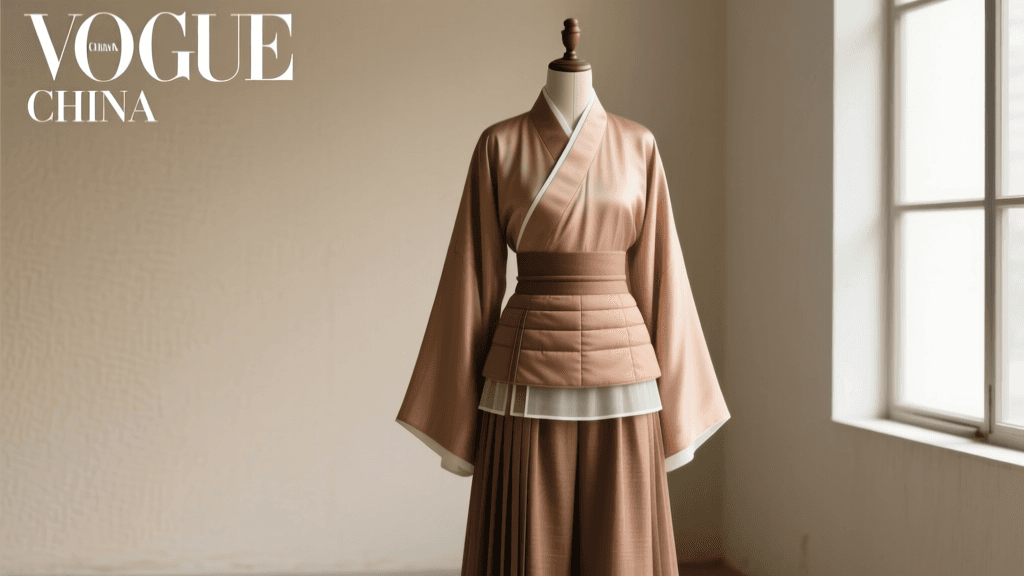
The Architecture of Authenticity: Understanding Hanfu Undergarments
When modern enthusiasts and historians discuss traditional Chinese clothing, the conversation often gravitates toward the sweeping sleeves of the Daxiushan or the intricate pleats of the Mamianqun (horse-face skirt). However, the true elegance and structural integrity of Hanfu rely entirely on what is hidden beneath. According to Britannica's comprehensive guide to East Asian dress, the traditional Chinese wardrobe was never a single garment, but rather a complex ecosystem of layered textiles designed to reflect social status, seasonal changes, and the philosophical principles of Yin and Yang.
To wear Hanfu correctly is to understand its architecture. The layering system, known broadly as Yiguan (clothing and headwear), requires a meticulous foundation. Without the proper undergarments, outer robes lose their silhouette, drape incorrectly, and fail to meet the historical standards of Li (ritual propriety). This guide breaks down the foundational layers, structural shaping techniques, and practical sizing advice for modern wearers looking to build an authentic Hanfu wardrobe from the skin outward.
The Innermost Foundation: Zhongyi and Zhongku
The bedrock of any traditional Hanfu ensemble is the Zhongyi (inner shirt) and Zhongku (inner trousers). These garments serve a dual purpose: they protect expensive, often unwashable outer silk layers from body oils and sweat, and they provide the essential visual contrast required by traditional aesthetics.
Zhongyi (The Inner Shirt)
The Zhongyi is typically a cross-collared, right-over-left (Jiaoling Youren) top. While outer garments boast vibrant brocades and embroideries, the Zhongyi is almost exclusively crafted from unbleached cotton, white linen, or fine ramie. The collar of the Zhongyi is designed to sit slightly higher than the outer robe's collar, creating a crisp, white border that frames the neck.
- Summer Fabrics: 80-100gsm Ramie (Xia Bu) or lightweight linen. Ramie is highly prized for its breathability and natural antibacterial properties.
- Winter Fabrics: 150-200gsm brushed cotton or soft flannel, providing insulation without adding excessive bulk to the outer layers.
Zhongku (The Inner Trousers)
Before the advent of modern skirts, and even beneath them, Hanfu wearers utilized Zhongku. These are loose-fitting, wide-legged trousers tied at the waist with cotton drawstrings. They allow for freedom of movement and ensure modesty when sitting or bending, especially when wearing lighter, unlined summer skirts. For historical accuracy, the hem of the Zhongku should not drag on the floor but should rest just above the ankle bone when barefoot.
Structural Shaping: Dudou and Skirt Supports
Unlike Western historical fashion, which often relied on rigid corsetry and bustles to alter the human form, traditional Chinese dress celebrated the natural drape of the fabric. However, specific structural undergarments were employed for modesty, support, and silhouette enhancement.
The Dudou (Chest Covering)
Prominent in the Tang, Song, and Ming dynasties, the Dudou is a diamond-shaped piece of fabric that covers the chest and stomach, tying at the neck and the back. Historically made of silk and heavily embroidered, modern wearers often use simplified cotton versions as an alternative to modern brassieres, which can disrupt the smooth, continuous lines of the cross-collared Hanfu neckline. The Dudou ensures that the chest remains securely supported while maintaining the flat, elegant profile preferred in Ming dynasty aesthetics.
Skirt Volume and Petticoats
The iconic Mamianqun relies on heavy, structured fabrics to maintain its sharp, knife-like pleats. However, for lighter silk skirts or the flowing Baizhequn (hundred-pleat skirts), a structural underskirt or petticoat is necessary. Modern Hanfu practitioners often use lightweight cotton A-line petticoats to give the outer skirt a bell-like volume, preventing the silk from clinging to the legs and ensuring the pleats hang perfectly perpendicular to the ground.
The Rule of Cui: Mastering the Margins
A critical concept in Hanfu layering is Cui, which refers to the visible edges and margins of the layered garments. The beauty of Hanfu is found in the intentional peeking of the inner layers. According to textile conservation records and historical analyses found in the Metropolitan Museum of Art's Asian Art archives, the interplay of colors and textures at the collar, cuffs, and hem was a primary indicator of a wearer's refinement.
The Collar Margin: The white collar of the Zhongyi must extend exactly 1 to 2 centimeters above the collar of the outer Ao (jacket) or Shan (shirt). This creates a layered, framing effect for the face.
The Cuff Margin: When wearing wide-sleeved outer garments, the sleeves of the Zhongyi should either match the length of the outer sleeve or extend slightly past it, providing a flash of white or contrasting color at the wrists when the arms are in motion.
Hanfu Layering Matrix: Seasonal and Structural Guide
Adapting the Hanfu layering system to different climates requires an understanding of historical textile engineering. The cultivation of silk and the weaving of complex textiles, recognized by UNESCO's Intangible Cultural Heritage list, allowed ancient Chinese tailors to create highly specialized seasonal layers.
| Layer Type | Summer Configuration (Tang/Song Focus) | Winter Configuration (Ming Focus) | Primary Fabric and Weight |
|---|---|---|---|
| Innermost (Zhongyi) | Short-sleeve or sleeveless ramie top | Long-sleeve brushed cotton, high collar | 80gsm Ramie / 180gsm Cotton |
| Middle (Shan/Ao) | Unlined, sheer silk or gauze (Luo) | Thick, quilted or fur-lined Ao | Silk Gauze / Quilted Brocade |
| Outer (Pifo/Daxiushan) | Lightweight silk shawl for sun protection | Heavy wool or thick velvet cloak (Pifeng) | Crepe Silk / Heavy Wool Blend |
| Lower Body | Single-layer lightweight linen skirt | Thick brocade Mamianqun over cotton leggings | Linen / Heavy Silk Brocade |
Actionable Advice: Sizing, Sourcing, and Budgeting
Transitioning from modern Western clothing to traditional Hanfu requires a complete recalibration of how you take measurements. Because Hanfu is cut flat and relies on wrapping and tying rather than darts and tailoring, the margin for error is different.
Measurement Guidelines for Undergarments
- Bust/Chest Ease: Unlike modern fitted tops, your Zhongyi must have a minimum of 4 to 6 cm of ease added to your actual bust measurement. This ensures the cross-collar lies flat without pulling open when you move or sit.
- Sleeve Length: Measure from the base of your neck (center back), across the shoulder, and down to the wrist bone. For a standard Zhongyi, add 3 cm to this measurement. If you are wearing an outer garment with Daxiu (large sleeves), the inner sleeve should stop at the wrist, allowing the outer sleeve to drape dramatically.
- Skirt Waist: Hanfu skirts are wrap-around and tied with ribbons. Measure your natural waist (the narrowest part of your torso) and add 10 cm for the overlap and tie-off. A skirt that does not overlap sufficiently in the back will gape when walking.
Budgeting for a Complete Layered Set
Building an authentic layered wardrobe is an investment in textile craftsmanship. Here is a realistic cost breakdown for modern practitioners sourcing from reputable makers:
- Zhongyi/Zhongku Sets: $25 - $50 USD. (Invest in 3-4 sets, as these must be washed frequently).
- Cotton/Linen Outer Layers (Shan/Ao): $60 - $120 USD.
- Silk Brocade Skirts (Mamianqun): $90 - $250+ USD, depending on the complexity of the jacquard weave and metallic threadwork.
- Custom Tailoring Fees: If you require custom sleeve lengths or accommodate non-standard proportions, expect to pay a 20-30% premium and allow 3 to 5 weeks for production and international shipping.
Care and Maintenance of Layered Garments
The division of labor between the inner and outer layers makes maintenance manageable. The Zhongyi acts as a sacrificial barrier. Because it absorbs perspiration, the Zhongyi should be washed after every wear. Use a gentle, pH-neutral detergent and wash in cold water (max 30C) to prevent the cotton or ramie from shrinking, which would ruin the precise collar margins.
Conversely, outer layers crafted from silk brocade, metallic jacquard, or delicate gauze should rarely, if ever, be submerged in water. Spot clean minor stains with a damp cloth and mild silk detergent. For deep cleaning, professional dry cleaning is mandatory. When storing your Hanfu, never hang heavy brocade skirts on wire hangers, as the weight of the fabric will distort the waistband and pull the pleats out of alignment. Instead, fold the skirts along their natural pleat lines and store them flat in breathable cotton garment bags, utilizing cedar blocks to deter moths without introducing harsh chemical odors into the natural fibers.
Conclusion
The beauty of Hanfu is not merely skin deep; it is a triumph of structural engineering and textile layering. By investing time in sourcing the correct Zhongyi, understanding the structural purpose of the Dudou, and mastering the precise margins of the Cui, modern wearers do more than just put on a costume. They participate in a continuous, living tradition of East Asian sartorial elegance, honoring the meticulous craftsmanship that has defined Chinese dress for millennia.