A Collector's Guide to Antique Meiji and Taisho Kimono
The Allure of Antique Japanese Textiles
Collecting vintage and antique kimono is a pursuit that bridges the gap between sartorial history, textile conservation, and fine art. For serious collectors, the late 19th and early 20th centuries represent a golden age of Japanese garment production. Specifically, the Meiji (1868–1912) and Taisho (1912–1926) eras offer a fascinating visual record of Japan's rapid modernization, shifting global trade dynamics, and evolving aesthetic philosophies. According to The Metropolitan Museum of Art, the kimono during these decades was not merely traditional dress, but a dynamic canvas that reflected the wearer's social status, education, and engagement with global fashion trends.
However, navigating the antique kimono market requires a discerning eye. Unlike modern, mass-produced garments, antique silk textiles demand a rigorous understanding of historical context, structural measurements, and preservation science. This guide provides actionable insights for collectors looking to identify, value, and preserve Meiji and Taisho era kimono.
Decoding the Eras: Meiji vs. Taisho
To build a meaningful collection, one must first understand the distinct aesthetic and technical markers that separate Meiji garments from their Taisho counterparts. The transition between these two eras marks a profound shift in dyeing technology and artistic influence.
The Meiji Era (1868–1912): Tradition and Natural Dyes
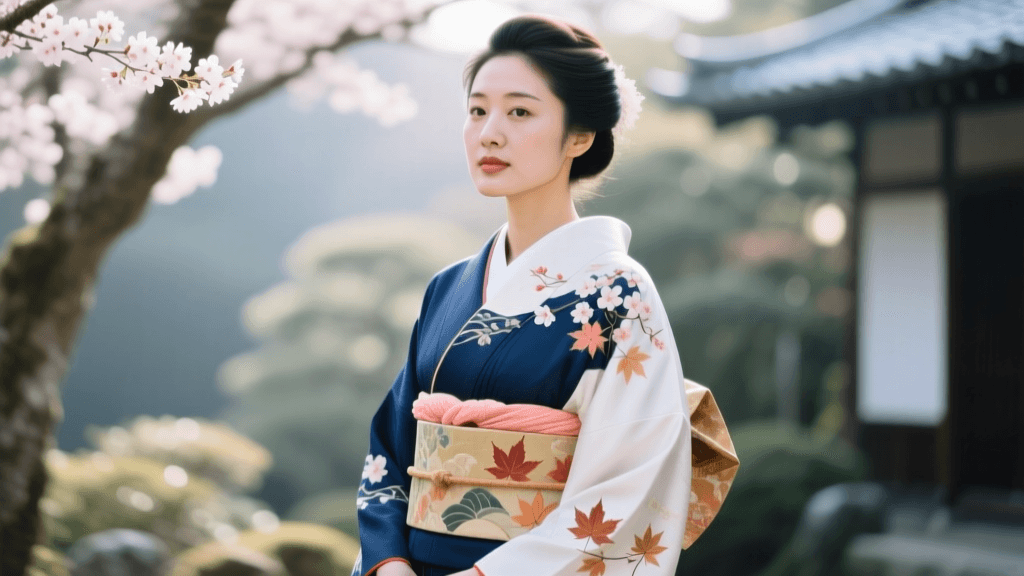
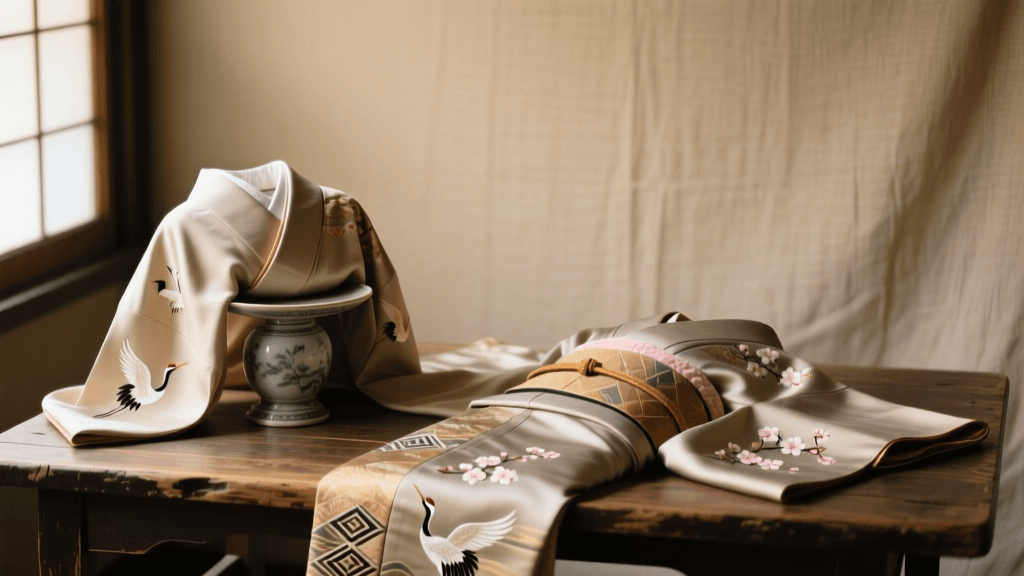
Meiji-era kimono are characterized by their reliance on traditional, nature-derived dyes and highly auspicious, classical motifs. The dominant dyeing technique was Yuzen, a resist-dyeing method that allowed for intricate, painterly designs. Colors were often subdued, relying on deep indigos, safflower reds, and subtle earth tones. Motifs heavily featured the shochikubai (pine, bamboo, and plum), cranes, turtles, and flowing water patterns, all intended to convey longevity, resilience, and good fortune. A defining feature of authentic Meiji kimono is the lining; many feature a vibrant crimson or deep red silk lining, dyed using safflower (benibana), which was believed to possess protective and warming qualities.
The Taisho Era (1912–1926): Taisho Roman and Synthetic Brilliance
The Taisho era introduced a wave of Western influence, urbanization, and a cultural movement known as Taisho Roman. As noted by the Victoria and Albert Museum, this period saw the introduction of imported synthetic aniline dyes, which revolutionized the textile industry. Suddenly, kimono featured startlingly vivid purples, emerald greens, and bold crimsons that natural dyes could rarely achieve. The motifs shifted dramatically from classical auspicious symbols to bold, Art Deco-inspired geometrics, oversized florals, and modern cityscapes. The silhouettes also evolved, with wider, more dramatic collars and longer sleeves becoming fashionable among the modern moga (modern girl).
Comparison Chart: Meiji vs. Taisho Characteristics
| Feature | Meiji Era (1868–1912) | Taisho Era (1912–1926) |
|---|---|---|
| Dyes | Primarily natural (indigo, safflower, madder) | Widespread use of synthetic aniline dyes |
| Motifs | Classical, auspicious, nature-based, subtle | Art Deco, bold geometrics, oversized florals |
| Lining | Often crimson/safflower red silk | Varied, often matching or contrasting pastels |
| Collar Width | Narrower, traditional proportions | Wider, more dramatic and modern |
| Condition Today | Often fragile, prone to shattering silk | Generally more robust, vibrant colors remain |
Practical Sizing and Measurements
A common pitfall for novice collectors is attempting to apply Western sizing (Small, Medium, Large) to antique Japanese garments. Kimono are constructed from straight, rectangular bolts of fabric (tanmono), meaning their fit is dictated by precise, standardized measurements rather than tailored curves. When evaluating a vintage piece online or at an antique market, you must request or verify three critical measurements:
- Yuki (裄 - Center Back to Wrist): Measured from the center of the back seam, across the shoulder, and down to the wrist. The average vintage yuki is between 62cm and 66cm (24.5 to 26 inches). Because antique Japanese women were generally shorter and had narrower shoulders than modern populations, finding a Meiji kimono with a yuki over 68cm is exceptionally rare.
- Mitake (身丈 - Back Length): Measured from the base of the collar down the center back to the hem. Antique kimono typically range from 150cm to 158cm (59 to 62 inches). Unlike modern kimono, which are hemmed to match the wearer's exact height, antique pieces were often made excessively long and folded at the waist with a sash (ohashori).
- Hiromi (身幅 - Panel Width): The width of the front body panel. Standard antique width is usually around 30cm to 32cm (11.8 to 12.5 inches) per panel, dictating the maximum hip circumference the garment can comfortably accommodate.
Valuation, Sourcing, and Hidden Costs
The financial landscape of antique kimono collecting is highly variable, dictated by condition, rarity of the motif, and the integrity of the silk. Pristine, museum-quality Meiji uchikake (wedding overcoats) featuring heavy gold leaf and intricate couched embroidery can command upwards of $3,000 to $10,000 at specialized auction houses. Conversely, standard Meiji everyday kimono with minor spotting can be acquired for $50 to $150.
Taisho-era pieces, highly sought after for their bold, wearable aesthetics and structural resilience, typically range from $200 to $800 for excellent condition examples featuring high-quality yuzen dyeing. The premier sourcing location in Japan is Tokyo's Oedo Antique Market, held on the first and third Sundays at the Tokyo International Forum, where over 250 vendors sell vintage textiles. For international collectors, reputable online dealers specializing in Japanese antiques and established auction platforms remain the primary avenues, though shipping and customs must be factored into the total cost.
The Hidden Cost of Conservation: Collectors must be aware of arai-hari, the traditional Japanese method of cleaning silk kimono. This involves completely unpicking the garment's seams, washing the flat panels in specialized solutions, stretching them on wooden boards (shinshi) to dry and remove wrinkles, and then professionally resewing the garment. This meticulous process typically costs between $300 and $600 USD—often exceeding the market value of the kimono itself. Therefore, purchasing pieces in excellent, unwashed condition is financially paramount.
A Collector’s Inspection Checklist
When evaluating a potential acquisition, especially via digital marketplaces, request high-resolution images of the following specific areas to assess structural integrity:
- The Collar Edge (eri): Check for severe yellowing, makeup stains, or fabric thinning. The collar bears the most tension and skin contact.
- The Underarm Gussets (machi): Inspect for perspiration stains and fabric shattering. Silk degrades rapidly when exposed to the salts and acids in human sweat.
- The Hem (suso): Look for fraying, mud stains, or repairs. Antique kimono were worn close to the ground, making the hem highly susceptible to abrasion.
- The Lining (ura): Ask for photos of the interior. A shattered or heavily stained lining can compromise the drape and structural support of the outer silk.
Archival Preservation and Storage
Acquiring an antique kimono is only the first step; preserving the protein-based silk fibers is an ongoing responsibility. The Canadian Conservation Institute emphasizes that improper storage is the leading cause of irreversible damage to historical textiles. Light, fluctuating humidity, and acidic materials are the enemies of antique silk.
Never store a silk kimono in plastic bags or vinyl covers, as these trap moisture and emit off-gassing chemicals that will yellow and shatter the fibers. Instead, wrap the garment in acid-free, unbuffered tissue paper or traditional Japanese tatoushi paper. Store the wrapped kimono flat in a cedar chest (tansu) or an archival-grade, acid-free cardboard box. Ensure the storage environment maintains a stable temperature of around 18°C (65°F) and a relative humidity of 50%. Avoid the use of chemical mothballs (naphthalene or paradichlorobenzene), which can react with synthetic dyes and metallic threads; opt for natural camphor or cedar blocks placed in the corners of the storage chest, ensuring they do not directly touch the silk.
'To collect antique kimono is to become a custodian of history. We do not merely own these garments; we preserve the quiet, meticulous artistry of the weavers and dyers who brought them into existence over a century ago.'
Conclusion
Building a collection of Meiji and Taisho era kimono is a deeply rewarding endeavor that requires patience, historical knowledge, and a commitment to conservation. By understanding the nuanced differences in dyes and motifs, mastering the unique measurement systems, and adhering to strict archival storage protocols, collectors can ensure that these magnificent silk textiles survive to be studied and admired by future generations. Whether you are drawn to the quiet, auspicious elegance of the Meiji period or the bold, modernist vibrancy of the Taisho era, the world of antique Japanese textiles offers an inexhaustible landscape of beauty and discovery.