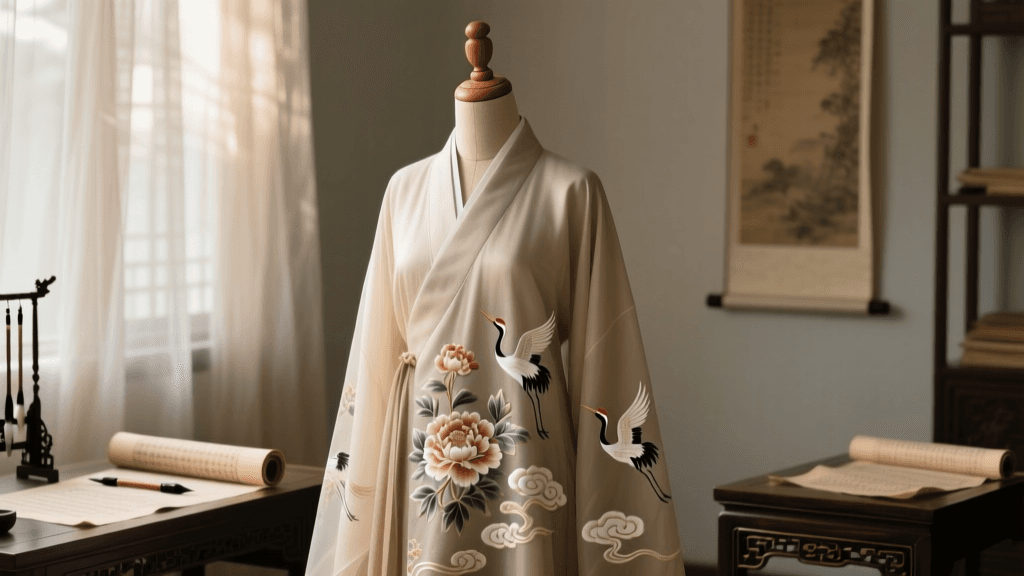
Sustainable Kimono Fashion: Eco-Friendly Silk and Natural Dyes
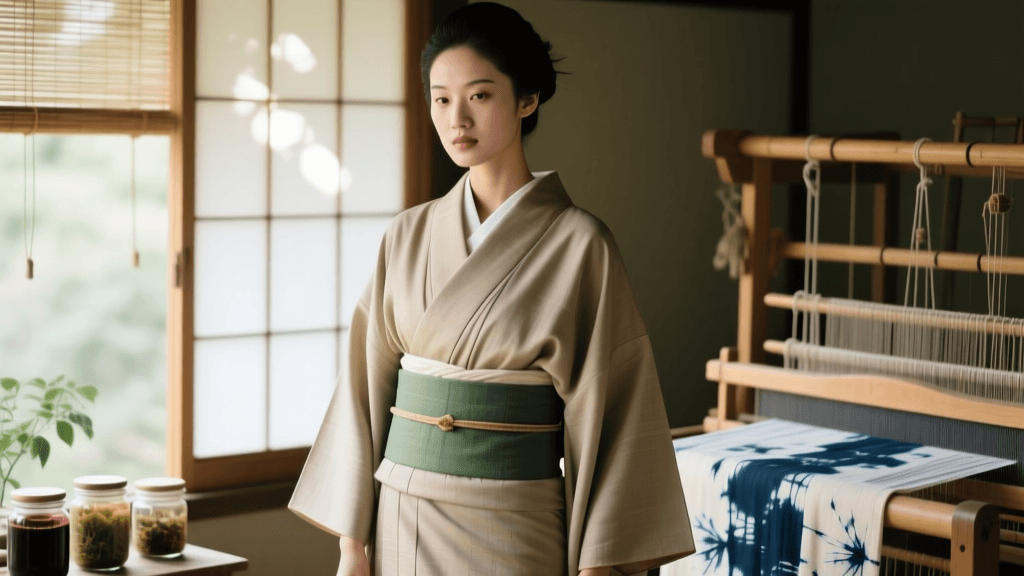
The Intersection of Heritage and Eco-Conscious Fashion
The kimono is globally recognized as a masterpiece of Japanese heritage, representing centuries of artistic evolution, meticulous craftsmanship, and deep cultural symbolism. However, as the global fashion industry faces a reckoning regarding its environmental footprint, consumers and artisans alike are re-evaluating the lifecycle of traditional garments. Sustainable kimono production is no longer a niche concept; it is a growing movement that bridges ancient eco-friendly practices with modern ethical standards. From the cultivation of cruelty-free silk to the revival of fermented botanical dyes, the landscape of Japanese traditional wear is adapting to meet the demands of the eco-conscious consumer.
For collectors, tourists, and fashion enthusiasts, understanding the environmental impact of these garments is crucial. Making informed choices involves looking beyond the aesthetic beauty of the silk and examining the supply chain, the dyes used, and the end-of-life options for the textile. This comprehensive guide explores the actionable steps you can take to support sustainable and ethical kimono production.
The Hidden Environmental Cost of Conventional Silk
Traditional silk production, or sericulture, is highly resource-intensive. Conventional silk requires the boiling of silkworm cocoons to harvest the continuous filament, a process that raises ethical concerns for vegan and cruelty-free consumers. Furthermore, the environmental toll of conventional silk includes heavy water consumption, the use of chemical fertilizers for mulberry tree cultivation, and the reliance on synthetic, petrochemical-based dyes. Azo dyes and heavy metal mordants, frequently used in mass-produced modern kimonos and obis, can leach into local waterways, causing severe ecological damage. Recognizing these impacts has led a new generation of Japanese artisans to seek out sustainable alternatives that honor the environment without compromising on luxury.
Ahimsa Silk and Plant-Based Alternatives
Ahimsa (Peace) Silk
Ahimsa silk, widely known as 'peace silk,' offers a cruelty-free alternative to conventional sericulture. In this process, the silkworm moth is allowed to hatch and leave the cocoon naturally before the silk is harvested. Because the emerging moth breaks the continuous silk filament, the resulting fibers must be spun similarly to wool or cotton, giving Ahimsa silk a slightly textured, matte finish that is highly prized in modern, organic fashion circles. While a standard conventional silk kimono bolt (tanmono) might cost between $150 and $300, an authentic Ahimsa silk bolt typically ranges from $400 to $800 due to the labor-intensive spinning process and lower yield per cocoon.
Hemp (Asa) and Ramie
Before silk became the dominant fabric for formal wear, hemp (asa) and ramie were the standard textiles for Japanese commoners and samurai alike during the summer months. Hemp is an incredibly sustainable crop; it requires minimal water, grows rapidly without the need for chemical pesticides, and naturally replenishes soil nutrients. Modern kimono designers are increasingly returning to high-grade, finely woven hemp for summer yukata and informal kimono, offering a breathable, biodegradable, and highly durable alternative to synthetic blends.
The Renaissance of Aizome (Natural Indigo)
Perhaps the most celebrated sustainable practice in Japanese textile history is Aizome, or natural indigo dyeing. Unlike synthetic indigo, which is derived from coal tar and requires toxic reducing agents to bind to fibers, natural indigo relies on a biological fermentation process. The practice is deeply rooted in regions like Tokushima Prefecture, where artisans cultivate the Japanese indigo plant (Persicaria tinctoria).
The creation of 'sukumo' (dried, fermented indigo leaves) is a meticulous process that takes up to 100 days of careful turning, watering, and temperature control. According to the Japan National Tourism Organization (JNTO), Tokushima remains the heartland of this traditional craft, where the alkaline nature of the natural indigo vat acts as a natural preservative, making the dyed fabric resistant to bacteria, insects, and odors. The dyeing process itself requires weeks of repeated dipping and oxidation to achieve the deepest shades of 'Japan Blue.' While a naturally dyed Aizome kimono commands a premium price—often starting at $1,200 and reaching upwards of $5,000 for master-dyed pieces—it represents a zero-waste, biodegradable, and non-toxic approach to textile coloring.
Upcycling and the 'Mottainai' Philosophy
The Japanese concept of 'mottainai' translates roughly to 'what a waste' and embodies a deep sense of regret over the wastefulness of discarding usable items. In the context of kimono fashion, this philosophy has sparked a massive boom in the upcycling and remodeling (riform) of vintage garments. Japan's 'recycle shops' and vintage kimono markets in Tokyo and Kyoto are treasure troves of high-quality, discarded silk.
The Mechanics of Kimono Remodeling
A standard kimono is constructed from a single bolt of fabric (tanmono) measuring approximately 36 centimeters wide and 12 meters long. Because the garment is sewn using straight lines and loose basting stitches, it can be entirely taken apart, cleaned, and re-sewn into a new garment or repurposed into modern fashion items. If a vintage kimono has stains or tears, artisans can transform it into a haori (jacket), a modern wrap skirt, or even patchwork accessories. The labor cost for professional kimono remodeling typically ranges from $80 to $250, depending on the complexity of the new design, making it a highly accessible and eco-friendly way to participate in Japanese fashion.
Sustainable Kimono Material Comparison
When shopping for ethical Japanese garments, it is helpful to compare the environmental and practical attributes of different materials. The table below outlines the key differences between conventional and sustainable kimono textiles.
| Material Type | Environmental Impact | Average Cost (USD) | Durability & Care |
|---|---|---|---|
| Conventional Silk | High water usage, chemical dyes, ethical concerns | $150 - $400 (per bolt) | Delicate; requires professional dry cleaning |
| Ahimsa (Peace) Silk | Cruelty-free, organic farming, lower yield | $400 - $800 (per bolt) | Textured; gentle hand wash or dry clean |
| Hemp (Asa) | Low water, no pesticides, soil regenerative | $100 - $300 (per bolt) | Highly durable; machine washable on gentle |
| Natural Aizome (Indigo) | Zero toxic runoff, biodegradable, antibacterial | $1,200+ (finished garment) | Fades beautifully; wash separately with neutral pH soap |
| Upcycled Vintage | Zero new resource extraction, extends textile life | $30 - $150 (garment) + remodeling fees | Varies by era; spot clean or specialized wash |
Verifying Ethical Artisans and Certifications
Greenwashing is a prevalent issue in the global fashion industry, and the market for traditional garments is not immune. To ensure your purchase supports ethical and sustainable practices, look for verifiable certifications and government-backed designations. The Japanese government actively protects and promotes sustainable heritage crafts. According to the Ministry of Economy, Trade and Industry (METI), items designated as 'Traditional Craft Products' must meet strict criteria, including the use of traditional, often natural, materials and manual production techniques that have been utilized for over a century. Purchasing garments bearing the official METI traditional craft seal ensures you are supporting artisans who maintain historical, low-impact production methods rather than mass-market factories.
Additionally, when purchasing from modern, eco-conscious Japanese brands, look for transparency regarding their supply chain. Ethical brands will openly disclose the origin of their silk, the specific botanical sources of their dyes, and the fair-wage practices of their weaving cooperatives.
Caring for Naturally Dyed and Upcycled Garments
Sustainable garments require specific care to ensure their longevity, thereby maximizing their eco-friendly benefits. Natural dyes, particularly botanical dyes like indigo, safflower, and persimmon tannin, are highly sensitive to alkaline substances and prolonged UV exposure. The Victoria and Albert Museum (V&A) notes in their extensive textile conservation guidelines that historical and naturally dyed silks must be protected from direct sunlight to prevent irreversible photodegradation and fading.
Actionable Care Instructions:
- Washing: Never use alkaline detergents on naturally dyed silk or hemp. Use a neutral pH detergent specifically formulated for delicate natural fibers.
- Drying: Avoid mechanical tumble dryers. Air dry garments in a shaded, well-ventilated area to prevent UV damage to botanical dyes.
- Storage: Store kimonos and haoris flat or loosely folded in breathable cotton storage bags (tatoushi). Avoid plastic covers, which trap moisture and promote mold growth on organic fibers.
- Airing Out: Practice 'mushiboshi' (airing out) twice a year, ideally in late autumn or winter when the air is dry, to preserve the structural integrity of the silk and hemp threads.
Conclusion: Wearing Your Values
The transition toward sustainable kimono production is a testament to the adaptability of Japanese cultural heritage. By choosing Ahimsa silk, supporting the revival of natural Aizome dyeing, or breathing new life into vintage textiles through remodeling, consumers can actively participate in the preservation of both Japanese artisan traditions and the global environment. True elegance lies not just in the drape of the silk or the vibrancy of the dye, but in the ethical integrity of the garment's creation.