Kimono Dress Codes: Formal Occasions & Etiquette Rules
The Philosophy of TPO in Japanese Traditional Dress
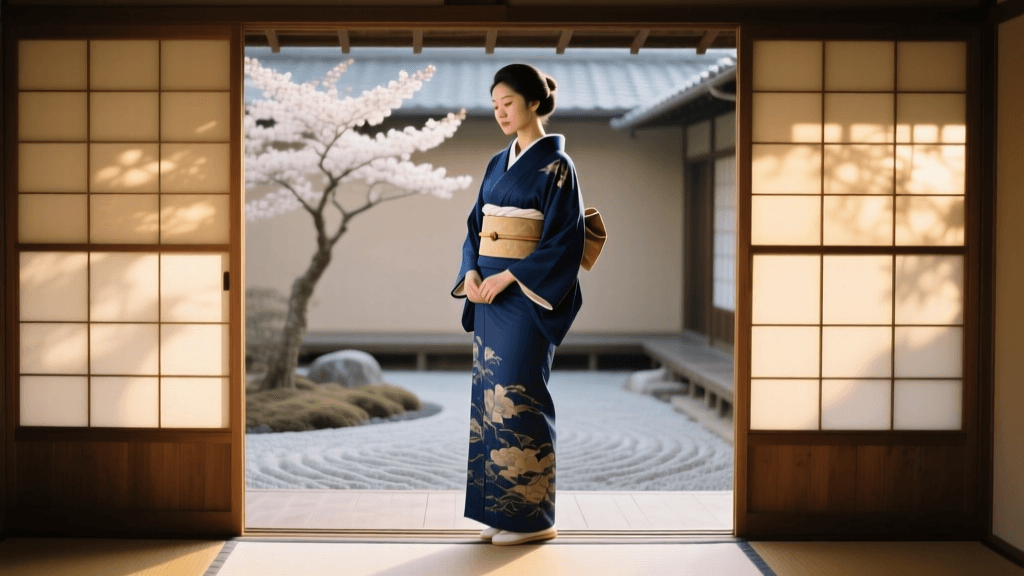
In Japan, the concept of TPO—Time, Place, and Occasion—is the foundational pillar of sartorial etiquette. Nowhere is this more rigorously observed than in the wearing of the kimono. Unlike Western formalwear, where a standard tuxedo or evening gown might suffice for a wide variety of events, traditional Japanese clothing operates on a highly nuanced spectrum of formality. Every element, from the fabric pattern and the number of family crests (kamon) to the style of the obi (sash) and the footwear, communicates the wearer's social standing, marital status, and relationship to the host. According to cultural archives maintained by The Metropolitan Museum of Art, the kimono is not merely a garment but a complex visual language that reflects the deeply ingrained social harmony and respect for tradition in Japanese culture.
Navigating these rules can seem daunting to the uninitiated, but understanding the hierarchy of formal kimono is essential for anyone attending a traditional Japanese wedding, tea ceremony, or formal banquet. This guide will break down the strict dress codes, provide a comprehensive formality matrix, and offer practical advice on renting, wearing, and accessorizing your kimono with absolute confidence.
The Hierarchy of Formal Kimono
The formality of a kimono is determined by several factors: the base color, the placement and scale of the dyed or woven patterns, the presence of gold or silver foil, and the number of kamon (family crests). Here is the hierarchy from most to least formal.
Kurotomesode (Black Formal Wear)
The kurotomesode is the pinnacle of formal attire for married women. It is a solid black kimono featuring patterns exclusively below the waistline (eba style) and is adorned with five white family crests. It is strictly reserved for the most formal of occasions, primarily weddings, where it is worn by the mothers of the bride and groom, as well as close married female relatives. The black background is offset by vibrant, auspicious motifs like cranes, pine trees, and gold leaf.
Irotomesode (Colored Formal Wear)
Similar in cut and pattern placement to the kurotomesode, the irotomesode features a solid colored background rather than black. It can have three or five crests and is appropriate for both married and unmarried women. It is frequently worn by close relatives at weddings who are not the mothers of the couple, or for highly formal court functions and award ceremonies.
Homongi (Visiting Wear)
The homongi is a versatile, highly formal kimono characterized by patterns that flow seamlessly across the seams of the shoulders, sleeves, and hem. It can feature one to three crests and is worn by both married and unmarried women. It is the standard attire for formal parties, traditional tea ceremonies, and formal visits to esteemed acquaintances.
Tsukesage (Lower-Applied Patterns)
Slightly less formal than the homongi, the tsukesage features patterns that are applied primarily below the waist and on the sleeves, without crossing the seams. It usually has one crest and is perfect for semi-formal gatherings, casual weddings (as a guest), and cultural events.
Komon and Edo Komon (Everyday Wear)
Komon features small, repeating patterns all over the fabric. Edo Komon features microscopic, dot-like patterns that appear solid from a distance. These are considered informal or everyday wear, suitable for shopping, casual dining, or relaxed cultural classes, but they are strictly prohibited at formal ceremonies.
Kimono Formality and Occasion Matrix
To easily reference which kimono is appropriate for your specific event, consult the data table below. This matrix aligns the garment type with its corresponding formality level and target demographic.
| Kimono Type | Formality Level | Crests (Kamon) | Target Wearer | Best Occasions |
|---|---|---|---|---|
| Kurotomesode | Ultra-Formal | 5 | Married Women | Weddings (Mothers/Close Relatives) |
| Irotomesode | Ultra-Formal | 3 to 5 | Married & Unmarried | Weddings (Relatives), Award Ceremonies |
| Homongi | Formal | 1 to 3 | Married & Unmarried | Tea Ceremonies, Formal Banquets |
| Tsukesage | Semi-Formal | 0 to 1 | Married & Unmarried | Wedding Guests, Graduations, Dinners |
| Mofuku | Mourning | 5 | Close Relatives | Funerals, Memorial Services |
| Komon | Informal | 0 | Anyone | Casual Outings, Festivals, Shopping |
Coordinating Obi and Accessories
A kimono is incomplete without its accompanying accessories, which must match the formality of the garment. The obi (sash) is the most critical component.
The Fukuro Obi
For formal kimono like the kurotomesode, irotomesode, and homongi, the fukuro obi is mandatory. Measuring approximately 31 centimeters in width and 4.2 to 4.5 meters in length, it is heavily brocaded with gold or silver threads. It is tied in a taiko musubi (drum knot) for married women or a fukura suzume (puffed sparrow knot) for unmarried women. The fukuro obi is stiff and requires the assistance of a professional dresser to achieve the correct tension and shape.
The Nagoya Obi
For semi-formal and casual wear (tsukesage and komon), the nagoya obi is used. It is pre-folded and stitched along part of its length, making it narrower and easier to tie in a simple otaiko knot. It is generally made of silk crepe, woven brocade, or dyed cotton.
Footwear and Bags
Formal events require zori (flat, thonged sandals) made of brocade or patent leather, paired with pristine white tabi (split-toed socks). The accompanying bag must be small, structured, and made of matching brocade or silk. For casual wear, wooden geta or leather zori are acceptable, and bags can be made of leather or woven cloth. As noted in cultural guides by the Japan National Tourism Organization (JNTO), ensuring your footwear and bags align with your kimono's formality is a key indicator of cultural respect and sartorial elegance.
Etiquette for Specific Occasions
Weddings
As a wedding guest, never wear white, as this is reserved exclusively for the bride (shiromuku or uchikake). Avoid wearing kurotomesode unless you are the mother of the bride or groom. A homongi or tsukesage in festive colors (like coral, gold, or light blue) is ideal. Avoid overly flashy gold patterns that might upstage the bridal party. Your obi should be tied in a festive, uplifting knot.
Funerals
Funeral attire is strictly regulated. Immediate family members wear mofuku, a completely matte black kimono with five crests, a black obi, black zori, and black tabi. There must be absolutely no shine, gloss, or subtle patterns on the fabric or accessories. Guests who are not immediate family may wear a subdued, dark-colored irotomesode or homongi with a black mourning obi.
Traditional Tea Ceremonies
Tea ceremonies demand subdued elegance and humility. Avoid loud, contrasting patterns or excessive gold foil, which can distract from the aesthetic of the tea room and the utensils. A tsukesage or a refined, understated homongi is preferred. Ensure your sleeves are secured with a tasuki (cord) if you are preparing the tea, and always wear clean white tabi, as you will be stepping onto tatami mats.
Essential Rules of Wearing Etiquette
Beyond selecting the right garment, the physical act of wearing the kimono is governed by strict rules. Violating these can cause severe social offense.
- Left Over Right: The left panel of the kimono must always wrap over the right panel. Wrapping right over left is strictly reserved for dressing the deceased for burial. This is the most critical rule of kimono etiquette.
- The Collar (Eri): The collar should sit flat against the neck at the front, with a gap at the back (eri-nuki) large enough to fit a fist. This exposes the nape of the neck, which is traditionally considered an elegant and alluring feature in Japanese aesthetics.
- The Hemline: The hem should fall exactly at the ankle bone (kurubushi). It should never drag on the ground, nor should it ride up to expose the calves.
- The Ohashori: This is the folded tuck at the waist used to adjust the length of the kimono. It must be horizontal, neat, and free of wrinkles, symbolizing a tidy and disciplined mind.
Practical Guide: Renting vs. Buying for Formal Events
Authentic formal kimono are significant investments. A new, high-quality silk homongi with a fukuro obi can cost anywhere from 300,000 to over 1,000,000 JPY ($2,000 to $7,000 USD). For visitors or those attending a single event, renting is the most practical and cost-effective solution.
Rental Costs and Inclusions
Renting a full formal kimono set (including undergarments, obi, zori, and bag) typically costs between 8,000 and 15,000 JPY for semi-formal wear, and 20,000 to 40,000 JPY for ultra-formal kurotomesode. Most reputable rental shops in Kyoto and Tokyo include professional dressing services (kitsuke) and hair styling in this price.
Timing and Reservations
For peak seasons—such as the cherry blossom season (late March to early April), autumn foliage (November), and graduation season (March)—you must book your rental at least two to three months in advance. Formal garments are limited in stock, and the most popular auspicious patterns book out quickly.
Measurements and Adjustments
Unlike Western clothing, kimono are generally 'free size'. The standard width of a kimono panel is about 36 to 38 centimeters. The length is adjusted via the ohashori fold. However, if you are exceptionally tall (over 175 cm) or have a larger bust/waist measurement, you must notify the rental shop in advance to ensure they have a hirohaba (wide-width) or custom-length kimono available. Always provide your exact height, bust, waist, and hip measurements in centimeters when booking.
Conclusion
Mastering kimono dress codes is a journey into the heart of Japanese cultural philosophy. By understanding the hierarchy of garments, respecting the rules of TPO, and adhering to the physical etiquette of wearing the kimono, you demonstrate a profound respect for the artisans who weave the silk and the culture that sustains it. Whether you are attending a solemn tea ceremony or a joyous wedding, dressing correctly ensures that you honor the occasion and seamlessly integrate into the beautiful tapestry of Japanese tradition. For further reading on the historical evolution of these garments, Nippon.com offers extensive archives detailing how these dress codes evolved from the Heian period to the modern era.