Celebrity Kimono Trends: Modern Styling And Designer Collabs
The Kimono Renaissance: Pop Culture Meets Tradition
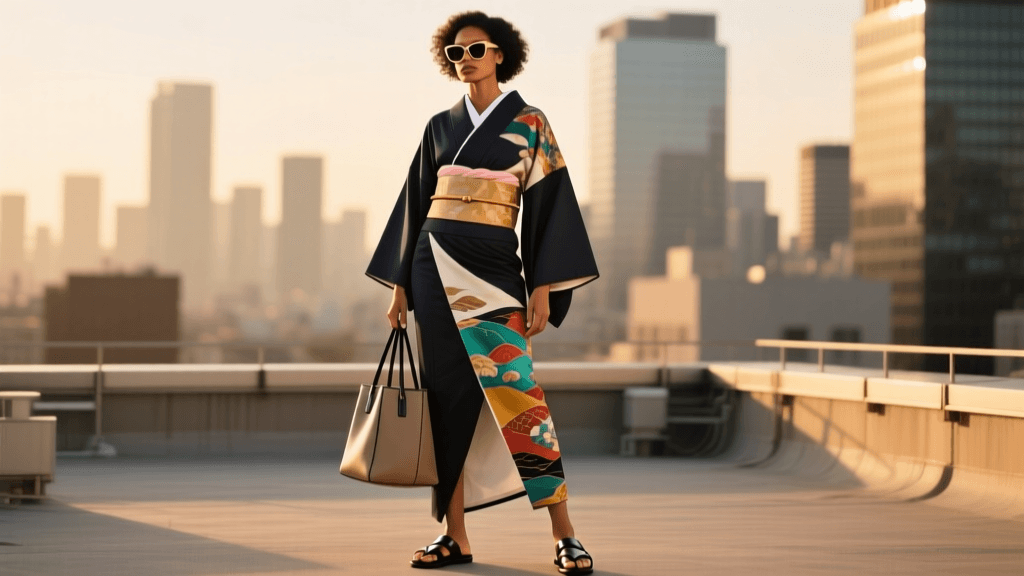
The kimono has long been recognized as a masterpiece of Japanese textile art, but in recent years, it has experienced a radical renaissance driven by global celebrities, high-fashion influencers, and avant-garde streetwear icons. No longer confined to formal ceremonies or tourist rental shops, the kimono is being actively reimagined on the runways of Paris and the neon-lit streets of Harajuku. From Rihanna draping herself in vintage silk to Japanese influencers pairing Taisho-era garments with chunky sneakers, the traditional T-shaped robe is undergoing a spectacular evolution.
This shift is not merely about aesthetic appropriation; it is a deliberate movement toward sustainable fashion, gender-fluid styling, and cultural reclamation. According to the Victoria and Albert Museum's landmark exhibition, Kimono: Kyoto to Catwalk, the garment has always been a dynamic participant in global fashion dialogues, constantly absorbing and reflecting contemporary social shifts. Today’s digital creators are simply the newest custodians of this evolving tradition, using their platforms to prove that heritage garments can thrive in a modern wardrobe.
Key Celebrity & Influencer Kimono Trends
1. The 'Wa-Punk' and Streetwear Fusion
One of the most viral trends popularized by Tokyo-based influencers and global streetwear celebrities is the fusion of traditional kimono with 'Wa-Punk' and cyberpunk aesthetics. This involves layering a silk kimono over distressed denim, leather harnesses, or mesh tops. Instead of the traditional zori sandals, influencers are pairing their garments with heavy platform boots or high-top sneakers. The obi (sash) is often replaced or augmented with industrial belts, corset boning, or tactical straps, creating a striking juxtaposition between delicate silk motifs and utilitarian hardware.
2. Sustainable and Upcycled Vintage Kimono
As the fashion industry faces a reckoning regarding sustainability, eco-conscious influencers are turning to vintage kimono as the ultimate circular fashion statement. Because kimono are constructed from straight cuts of fabric with minimal waste, they are inherently sustainable. Influencers are increasingly sourcing damaged or stained vintage kimono and upcycling them into two-piece co-ord sets, bomber jackets, or wrap skirts. This trend not only rescues textiles from landfills but also makes the garment more accessible for daily wear, bypassing the complex wrapping techniques required for a full-length robe.
3. Gender-Fluid and Non-Binary Styling
Historically, kimono styles were strictly delineated by gender, with men wearing subdued colors and hakama (pleated trousers), and women wearing vibrant, long-sleeved furisode. Modern celebrities and LGBTQ+ influencers are actively dismantling these binaries. By mixing the structured, boxy silhouettes of menswear kimono with the vibrant, expressive textiles of womenswear, influencers are creating a gender-fluid sartorial language that resonates deeply with contemporary conversations around identity and self-expression.
Top Designer Collaborations Driving the Trend
The influencer push for modernized kimono has been heavily supported by visionary designers who bridge the gap between Kyoto’s historic weaving districts and global fashion weeks. Below is a comparison of the leading brands and designers currently shaping the celebrity kimono landscape.
| Brand / Source | Designer / Era | Price Range (USD) | Signature Influencer Style |
|---|---|---|---|
| Jotaro Saito | Jotaro Saito | $2,000 - $10,000 | Denim kimono, pop-art motifs, streetwear fusion |
| Mame Kurogouchi | Maiko Kurogouchi | $800 - $3,500 | Deconstructed silhouettes, obi-inspired corset belts |
| Yohji Yamamoto | Yohji Yamamoto | $1,500 - $5,000 | Avant-garde, monochromatic, flowing asymmetric lines |
| Tansu-ya (Vintage) | Meiji / Taisho Era | $50 - $300 | Upcycled antique silks, romantic floral motifs |
| Wataru Tominaga | Wataru Tominaga | $600 - $2,200 | Bold color-blocking, surreal embroidery, genderless cuts |
How to Recreate Viral Influencer Kimono Looks
Recreating the effortless, editorial looks seen on Instagram and TikTok requires an understanding of both traditional mechanics and modern styling hacks. Here is a practical, actionable guide to building your own influencer-inspired kimono wardrobe.
Sourcing the Right Pieces
Authenticity is key to the influencer aesthetic. Skip the mass-produced polyester tourist rentals and head to specialized recycle shops. In Tokyo, stores like Chicago in Harajuku or Sokking in Shimokitazawa offer floors of vintage silk kimono. For international buyers, platforms like Yahoo Auctions Japan (accessible via proxy services like Buyee) and Mercari Japan are goldmines. Look for keywords like 'shibori' (tie-dye), 'yuzen' (resist dyeing), and 'tsumugi' (slub silk) to ensure you are getting high-quality, photogenic textiles.
The Mathematics of Modern Fit: Measurements
Traditional kimono fitting requires the garment to be significantly longer than the wearer's height to create the ohashori (the folded tuck at the waist). However, modern influencers often prefer a sleek, column-like silhouette that grazes the ankle without bulk.
- Mitake (Back Length): For a modern, no-fold look, measure from the base of your neck (the prominent vertebra) down to your ankle bone. Purchase a kimono with a mitake that matches this exact measurement (usually 120cm - 135cm for most adults).
- Yuki (Sleeve Length): Measure from the center of the back of your neck, over the shoulder, and down to your wrist. Influencer styles often feature a slightly dropped shoulder, so a yuki measurement 2-3 cm longer than your actual arm length provides a relaxed, contemporary drape.
- Sode (Sleeve Depth): For dramatic, editorial photos, look for furisode (long sleeves) measuring 100cm+ in depth. For casual streetwear, standard kosode (short sleeves, approx. 49cm) are more practical.
Timing and Costs
The vintage kimono market is highly seasonal, and smart influencers shop off-season to secure the best deals. Purchase heavy winter wools and velvets in July and August, when prices drop by up to 60%. Conversely, shop for sheer summer silks (ro and sha) in January. Budget approximately $80-$150 for a high-quality vintage silk kimono, $30 for a basic vintage obi, and $40 for essential undergarments (juban and koshihimo ties).
Essential Accessories for the Modern Look
To elevate your kimono from 'traditional costume' to 'high-fashion statement', influencers rely on specific accessory pairings:
- Obijime and Obidome: Instead of traditional braided cords, use vintage jewelry chains, leather laces, or pearl necklaces as your obijime (the cord that secures the obi).
- Footwear: While traditional tabi socks are essential, pair them with split-toe sneakers (like those from Maison Margiela or Nike ISPA) or chunky leather loafers to ground the outfit in modern streetwear.
- Headwear: Wide-brimmed felt hats, berets, or even vintage silk scarves tied around the head are frequently used by influencers to frame the face and draw attention to the kimono's collar (eri).
Cultural Appreciation in the Digital Age
As the kimono becomes a staple in global influencer fashion, the line between appreciation and appropriation requires careful navigation. The Metropolitan Museum of Art's Heilbrunn Timeline of Art History emphasizes that the kimono is deeply embedded in Japan's social and cultural fabric, representing centuries of regional craftsmanship and social coding.
Responsible influencers and celebrities approach the garment with a mindset of education and respect. This means crediting the specific regional artisans (such as Nishijin weavers or Kaga-yuzen dyers), understanding the seasonal motifs (e.g., avoiding cherry blossom prints in the middle of autumn), and supporting authentic Japanese businesses rather than purchasing cheap, mass-produced knock-offs from fast-fashion conglomerates.
'The kimono is not a relic of the past; it is a living, breathing canvas for contemporary identity. When we pair a Taisho-era silk garment with modern streetwear, we are participating in a centuries-old tradition of sartorial rebellion and adaptation.'
— Curator's Note, adapted from the V&A Kimono Exhibition archives
Conclusion
The celebrity and influencer-driven kimono trend is much more than a fleeting internet aesthetic; it is a vital lifeline for a traditional industry facing declining domestic demand. By reimagining the kimono through the lens of streetwear, sustainability, and gender fluidity, digital creators are ensuring its survival for the next generation. Whether you are investing in a avant-garde piece from Jotaro Saito or hunting for a $50 vintage silk treasure in a Tokyo recycle shop, styling the kimono today is an act of both personal expression and cultural preservation. For those looking to explore the roots of these garments before styling them, the Japan National Tourism Organization (JNTO) offers extensive resources on experiencing authentic kimono culture firsthand, bridging the gap between digital inspiration and real-world heritage.