Hanfu Tourism: Styling & Social Media Guide for China Travel
The Rise of Hanfu Tourism and Digital Culture
Over the past decade, the Hanfu movement has evolved from a niche historical reenactment hobby into a multi-billion-dollar cultural phenomenon that has fundamentally reshaped domestic tourism in China. Today, iconic historical sites are no longer just museums of the past; they are vibrant, living backdrops for a new generation of travelers looking to connect with their heritage while creating stunning content for platforms like Douyin (the Chinese version of TikTok), Instagram, and Xiaohongshu (Little Red Book). For the modern traveler and content creator, wearing traditional Han clothing is not merely about dressing up—it is about embodying a historical aesthetic, understanding regional textile traditions, and mastering the visual storytelling required to capture the perfect viral video.
This comprehensive guide will walk you through the logistics of Hanfu tourism, from selecting the right destination and navigating local rental markets to styling your garments for optimal camera movement and executing social media transitions that capture the magic of ancient China.
Top Destinations for Hanfu Photography
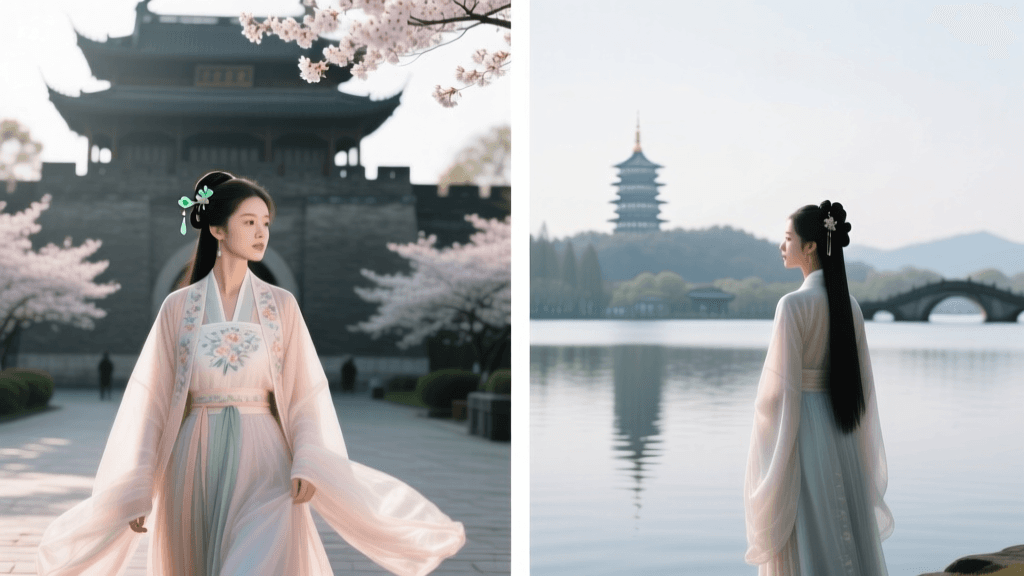
China's vast history means that different cities serve as the perfect backdrop for specific dynastic styles. Choosing the right destination is critical for ensuring your garment matches the architecture and natural landscape. For instance, the sprawling, neon-lit pavilions of Xi'an's Datang Everbright City offer an unparalleled setting for opulent Tang Dynasty aesthetics, while the misty, willow-lined banks of Hangzhou's West Lake are tailor-made for the understated elegance of Song Dynasty attire.
Destination Comparison Chart
| Destination | Best Era & Style | Avg. Rental Cost (24h) | Best Time to Shoot | Social Media Vibe |
|---|---|---|---|---|
| Xi'an (Datang Everbright City) | Tang Dynasty (Qixiong Ruqun, Yuanlingpao) | 150 - 300 RMB ($20-$40) | 8:00 PM - 11:00 PM (Neon lights) | Cinematic, vibrant, bustling night markets |
| Hangzhou (West Lake, Lingyin Temple) | Song Dynasty (Beizi, Baiyue skirt) | 120 - 250 RMB ($16-$35) | 6:00 AM - 8:00 AM (Morning mist) | Ethereal, poetic, nature-focused, serene |
| Suzhou (Humble Administrator's Garden) | Ming Dynasty (Mamianqun, Aoqun) | 180 - 350 RMB ($25-$48) | 4:00 PM - 6:00 PM (Golden hour) | Elegant, architectural, detail-oriented |
| Beijing (Forbidden City, Jingshan Park) | Ming/Qing Transition (Feiyufu, Pifeng) | 200 - 400 RMB ($28-$55) | 7:00 AM (Right at opening) | Grand, majestic, imperial, high-contrast |
Logistics: Renting vs. Buying for Travel
When planning a Hanfu-centric trip, travelers must decide between purchasing garments online or renting locally. For short-term tourism and social media content creation, renting from a brick-and-mortar Hanfu experience shop (Hanfu Tiyan Guan) located near major scenic areas is highly recommended. These shops offer comprehensive packages that include the garment, traditional hair styling, makeup, and accessories.
What to Expect from a Rental Package
- Base Rental (100-250 RMB): Includes the inner garment (Zhongyi), outer robe or jacket, and skirt or trousers.
- Hair and Makeup Add-on (150-400 RMB): Professional stylists use hairpieces, wooden combs (Zanzi), and dangling hairpins (Buyao) to create historically inspired silhouettes that withstand wind and movement.
- Photography Add-on (300-800 RMB): Many shops offer an in-house photographer who knows the best hidden angles in crowded tourist spots and provides retouched digital files.
Crucial Measurements to Know
If you opt to buy your own Hanfu via Taobao or local boutiques before your trip, you must know your measurements in centimeters. Unlike Western clothing, Hanfu relies heavily on specific structural measurements:
- Chest/Bust (Xiongwei): Crucial for Tang dynasty chest-high skirts (Qixiong Ruqun) to ensure they do not slip during movement.
- Waist (Yaowei): Necessary for Ming dynasty pleated skirts (Mamianqun) which wrap and tie securely at the natural waist.
- Height/Skirt Length (Qunchang): Hanfu skirts are sold in specific lengths (e.g., 100cm, 105cm, 110cm). For social media videos featuring spinning or walking, the skirt should ideally graze the top of your foot to avoid tripping while maintaining a dramatic, sweeping silhouette.
Styling for the Camera: Fabrics and Silhouettes
The choice of fabric dictates how the garment moves on camera, which is the cornerstone of viral Hanfu content. Authentic silk, a craft so vital to Chinese history that it is recognized by UNESCO as an Intangible Cultural Heritage, catches the golden hour light beautifully and drapes with a heavy, liquid grace. However, silk is expensive and delicate. Most rental shops use high-grade polyester chiffon or jacquard weaves that mimic the sheen of silk while offering the durability needed for outdoor tourism.
Best Garments for Video Movement
If your goal is to create dynamic Douyin or Instagram Reels content, prioritize garments with exaggerated silhouettes and flowing elements:
- The Mamianqun (Horse-Face Skirt): Featuring deep, structured pleats that fan out dramatically when spinning. This Ming dynasty staple is the undisputed favorite for slow-motion transition videos.
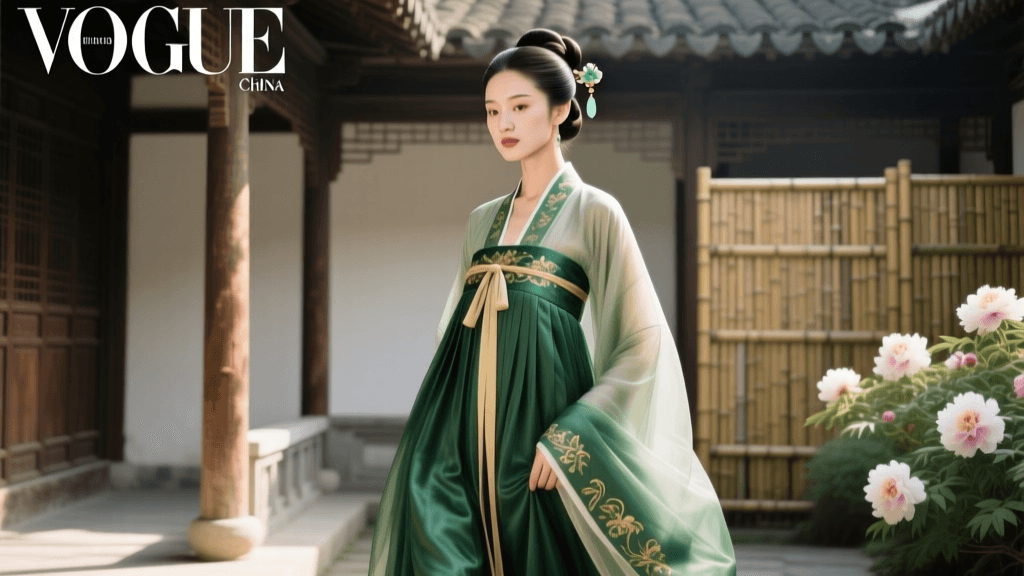
- The Feiyufu (Flying Fish Robe): A dramatic, wide-sleeved robe with embroidered motifs. The wide sleeves act like sails in the wind, making it perfect for dramatic, martial-arts-inspired reveals on mountain peaks or ancient walls.
- The Pibo (Silk Scarf/Stole): Often worn with Tang dynasty outfits, this long ribbon can be tossed into the air or allowed to trail behind the subject, adding a layer of depth and kinetic energy to the frame.
The Social Media Playbook: Capturing the 'Douyin Aesthetic'
Creating content that resonates within the Hanfu community requires more than just wearing the clothes; it requires understanding the visual language of Chinese social media. The 'Gufeng' (ancient style) aesthetic relies on mood, pacing, and specific camera techniques.
Camera Settings and Techniques
Shoot in 4K at 60 frames per second (fps). This allows you to slow the footage down to 24fps in post-production, creating that buttery-smooth, dreamlike slow-motion effect that highlights the flutter of silk sleeves and the sway of hairpins. Use a gimbal or a stabilizer to execute smooth tracking shots, particularly when walking through the moon gates of Suzhou's classical gardens.
Three Viral Transitions to Master
- The Sleeve Toss Reveal: Start in modern, casual clothing in a bustling city street. Toss a wide Hanfu sleeve directly over the camera lens to block the light. Cut to the scenic destination with the camera pulling back from the sleeve, revealing you in full Hanfu makeup and regalia.
- The Umbrella Spin: Utilize a traditional oil-paper umbrella (Youzhisan). Open it towards the camera to obscure the frame, then spin and pull it away to reveal a new location or a different dynastic outfit.
- The Threshold Step: Film yourself stepping over the high wooden threshold of a temple or palace gate. Use the exact moment your foot crosses the threshold as the cut point to transition from a modern outfit to a historically accurate ensemble, symbolizing a step back in time.
Audio and Color Grading
Audio is 50% of the experience. Avoid modern pop tracks. Instead, use trending 'Gufeng' music featuring traditional instruments like the Guzheng (zither), Erhu (fiddle), and Dizi (bamboo flute). For color grading, lean into cinematic, low-contrast profiles. For Tang dynasty content in Xi'an, push the warm oranges, deep reds, and golds to mimic the glow of lantern light. For Song dynasty content in Hangzhou, desaturate slightly and boost the greens and soft blues to emulate the look of a traditional ink-wash landscape painting.
Etiquette and Respect on Set
While Hanfu tourism is a joyful celebration of culture, it is important to remember that many filming locations are active historical sites, religious temples, or protected heritage zones. Always respect local regulations regarding tripods and commercial photography. When visiting active Buddhist or Taoist temples, avoid overly revealing cuts or overly theatrical makeup, and maintain a respectful demeanor. Ensure your garments are tied securely and your hems are lifted when navigating crowded or dirty areas to prevent damaging the textiles and to show respect for the craft.
Conclusion
Hanfu tourism offers a profoundly immersive way to experience China's rich cultural tapestry. By carefully selecting your destination, understanding the mechanics of traditional tailoring, and applying modern social media cinematography techniques, you can create breathtaking content that honors the past while captivating the digital world. Whether you are spinning in a Mamianqun beneath the eaves of the Forbidden City or capturing the morning mist over West Lake in a Song dynasty Beizi, the intersection of heritage and digital storytelling awaits.