The Complete Hakama and Haori Anime Cosplay Style Guide
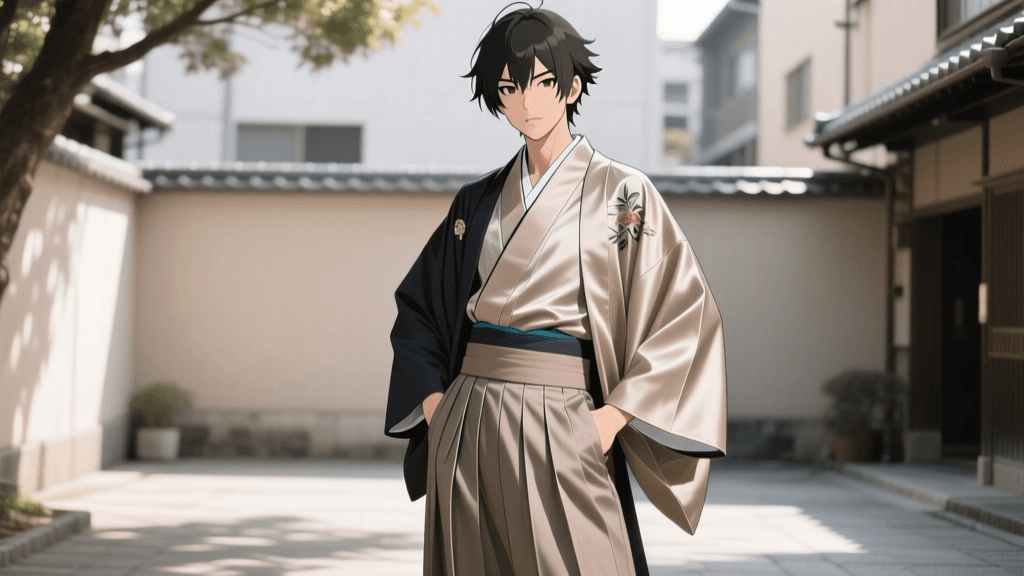
The Rise of Samurai and Slayer Silhouettes in Cosplay
Walk the floor of any major anime convention, and you will immediately notice a recurring silhouette: the sweeping, pleated trousers and the flowing, open-front jacket. Driven by the massive global success of franchises like Demon Slayer (Kimetsu no Yaiba), Rurouni Kenshin, Gintama, and Bleach, traditional Japanese garments have become the undisputed heavyweights of the cosplay and crossover fashion world. But replicating these looks requires more than just buying a cheap Halloween costume online. To truly embody the fluid, dramatic action of your favorite anime protagonists, you must understand the foundational garments of Japanese history: the hakama and the haori.
This comprehensive guide bridges the gap between historical authenticity and modern convention practicality. Whether you are crafting a screen-accurate Tanjiro Kamado cosplay, assembling a Shinsengumi uniform, or integrating traditional silhouettes into a modern techwear streetwear outfit, mastering these garments will elevate your wardrobe to the next level.
Understanding Hakama and Haori: The Anime Wardrobe Staples
Hakama: The Pleated Powerhouse
The hakama is a traditional Japanese garment worn over a kimono, characterized by its wide, pleated, skirt-like appearance. According to historical archives at the Kyoto Costume Museum, the hakama originally evolved during the Heian and Kamakura periods as protective outerwear for samurai riding horseback. By the Edo period, it became the standard formal wear for men, and later, the Meiji era saw it adopted by female scholars and martial artists.
For cosplayers, there are two main types to know:
- Umanori (Horse-riding Hakama): Divided down the middle like wide-leg trousers. This is the standard for almost all male anime characters, martial artists, and modern techwear adaptations. It allows for high kicks, dynamic posing, and ease of movement.
- Andon (Lantern Hakama): Undivided, resembling a long pleated skirt. Often worn by female characters, shrine maidens (miko), or characters with a more scholarly, elegant aesthetic.
Traditional hakama feature exactly seven deep pleats (five in the front, two in the back), which are said to represent the seven virtues of the samurai (courage, justice, mercy, politeness, honesty, honor, and loyalty). When styling for anime, maintaining the crispness of these pleats is the difference between an amateur costume and a master-level cosplay.
Haori: The Iconic Outer Layer
The haori is a hip- or thigh-length kimono-style jacket worn open at the front. As detailed in cultural guides by MATCHA, the haori was historically worn to protect the kimono underneath from dust and weather. In anime, however, the haori serves as the ultimate character identifier. From Kyojuro Rengoku’s flame-patterned haori to the iconic black-and-orange checkered design of Tanjiro, the haori provides the 'cape effect' that makes anime character designs so visually striking in motion.
Unlike the kimono, the haori is never crossed or tied with a wide obi belt. Instead, it is worn open or loosely fastened at the chest using two braided cords called haori himo, allowing the garment to billow dramatically during action sequences.
Measurement and Sizing Guide for Cosplayers
One of the most common mistakes cosplayers make is treating hakama and haori like standard Western trousers and jackets. Traditional Japanese garments are measured and fitted entirely differently. Below is a comparison chart to help you adjust traditional sizing for cosplay and modern streetwear applications.
| Measurement Type | Traditional Standard | Anime Cosplay Adjustment | Modern Streetwear / Techwear |
|---|---|---|---|
| Hakama Waist Placement | Above the navel (Heso) | Natural waist or slightly lower for comfort | Dropped crotch, worn low on the hips |
| Hakama Length | To the ankle bone | Floor-grazing (add 3-5 cm for dramatic drag) | Cropped at the calf or tapered with cuffs |
| Haori Shoulder Drop | Seamless drop (no shoulder seam) | Exaggerated wide drop for action posing | Fitted or integrated with thumb-hole cuffs |
| Haori Sleeve Length | Standard kimono drop (approx. 49 cm) | Extended to knuckles for 'slayer' aesthetic | Shortened or tailored for tactical layering |
How to Measure for Hakama Length: To find your perfect anime-accurate hakama length, tie a string around your natural waist (or where you intend to wear the waistband). Measure from that string down to your ankle bone. For a dramatic, floor-sweeping anime look, add 3 to 5 centimeters to this measurement. Keep in mind that you will need to wear split-toe socks (tabi) and sandals (zori), which can add an extra 2-3 cm of height.
Fabric Selection: Balancing Accuracy and Convention Comfort
The fabric you choose will dictate how your costume moves, breathes, and survives a 12-hour convention day. Resources like Tofugu emphasize the importance of understanding textile drape in Japanese fashion. Here is what you need to know when sourcing materials:
- Tetron Rayon (Polyester/Rayon Blend): This is the gold standard for martial arts and high-quality cosplay hakama. It is heavy, drapes beautifully, resists wrinkling, and holds pleats exceptionally well. If you want your hakama to swing dramatically when you spin, Tetron is mandatory.
- Cotton-Polyester Blends: Excellent for printed haori (like the Demon Slayer checkered or flame patterns). Cotton takes dye and sublimation printing beautifully, while the polyester adds durability and prevents excessive shrinking during washing.
- Linen: Best for historical accuracy or summer conventions. Linen is highly breathable and has a beautiful, rustic texture perfect for wandering ronin characters (like Kenshin Himura). However, it wrinkles instantly, which can ruin the sharp, pleated look of a hakama if you sit down for long periods.
- Crepe Polyester: A budget-friendly option often found in mass-produced cosplay costumes. It is lightweight and cheap, but it lacks the heavy drape required to make the garment look authentic on camera. Avoid if possible, or line it with a heavier fabric.
Iconic Character Styling Breakdowns
Demon Slayer (Kimetsu no Yaiba)
The Demon Slayer Corps uniform is a fascinating blend of Western military tunics and traditional Japanese hakama. To replicate this, cosplayers should opt for a solid black, high-collared tunic (gakuran style) paired with a black or white umanori hakama. The true star, however, is the haori. For Tanjiro’s black-and-green checkered pattern, ensure the checks are perfectly aligned at the seams. For Zenitsu’s yellow triangle pattern, use a cotton-poly twill that holds sharp, geometric prints well. Always secure the haori with a subtle, hidden clip at the chest, as the anime characters rarely show the traditional haori himo cords.
Rurouni Kenshin and Gintama (Shinsengumi)
For the rugged, battle-worn look of the Bakumatsu era, focus on texture. A navy blue or black hakama made from a heavy cotton-linen blend will give that historically accurate, slightly weathered appearance. The haori should feature the iconic mountain-shaped crest (mon) on the back and sleeves. To achieve the 'wandering samurai' aesthetic, distress the hem of the hakama slightly and wear the haori off one shoulder, securing it with a hidden safety pin to maintain the asymmetrical look without it constantly slipping off during photoshoots.
The Techwear Crossover: Hakama in Modern Streetwear
You do not need to be cosplaying a specific anime character to utilize these garments. The 'ninja-core' and techwear movements have heavily borrowed from the hakama and haori silhouettes. Brands like Yohji Yamamoto and Acronym have popularized the dropped-crotch, wide-leg trouser that mimics the umanori hakama.
To style a hakama for modern streetwear:
- Ditch the Zori: Swap traditional sandals for chunky, futuristic sneakers like the Nike ISPA line, Vibram Furoshiki, or Rick Owens Ramones. The contrast between the flowing traditional pleats and aggressive, technical footwear is the hallmark of modern techwear.
- Layer with Tactical Gear: Wear a sleek, black hakama with a form-fitting compression top, and layer a tactical chest rig or a modern, waterproof tech-shell jacket over it. This mimics the layering of a kimono and haori but updates it for a dystopian, cyberpunk aesthetic.
- Use Modern Fasteners: Replace the traditional woven himo ties with paracord, carabiners, or quick-release Fidlock magnetic buckles to give the garment a functional, utilitarian edge.
Convention Survival Tips: Footwear and Quick-Release Hacks
'The true test of a samurai's cosplay is not how it looks in the mirror, but how it survives the bathroom line and the dealer's hall.' — Convention Cosplay Proverb
Wearing traditional garments at a busy convention requires strategic hacks. First, the hakama bathroom break is notoriously difficult. To solve this, use large, heavy-duty binder clips to clip the front and back panels of the hakama together at the hip, effectively turning it into a skirt that can be easily lifted. Alternatively, wear a pair of tight, dark compression shorts underneath; if the hakama shifts, you remain covered.
For footwear, traditional wooden geta or zori sandals will destroy your feet after four hours of walking on concrete convention center floors. Invest in split-toe (tabi) sneakers or wear thick, padded insoles inside your zori. If you are wearing a haori, use double-sided fashion tape along the inside of the collar to keep it sitting flat against your chest, preventing it from sliding backward and choking you when you move your arms.
Conclusion
Whether you are drawing your blade for a Demon Slayer photoshoot, assembling a historically inspired Shinsengumi uniform, or integrating the sweeping lines of a hakama into your daily techwear rotation, understanding the mechanics of these garments is essential. By respecting the traditional measurements, selecting the correct heavy-drape fabrics, and employing modern convention hacks, you can bridge the gap between ancient Japanese tradition and the dynamic, high-energy world of anime fashion. Step out, let the pleats flow, and own the convention floor.