Peking Opera Costumes: Guide to Jingju Stage Wardrobe
The Art of Jingju: More Than Just Clothing
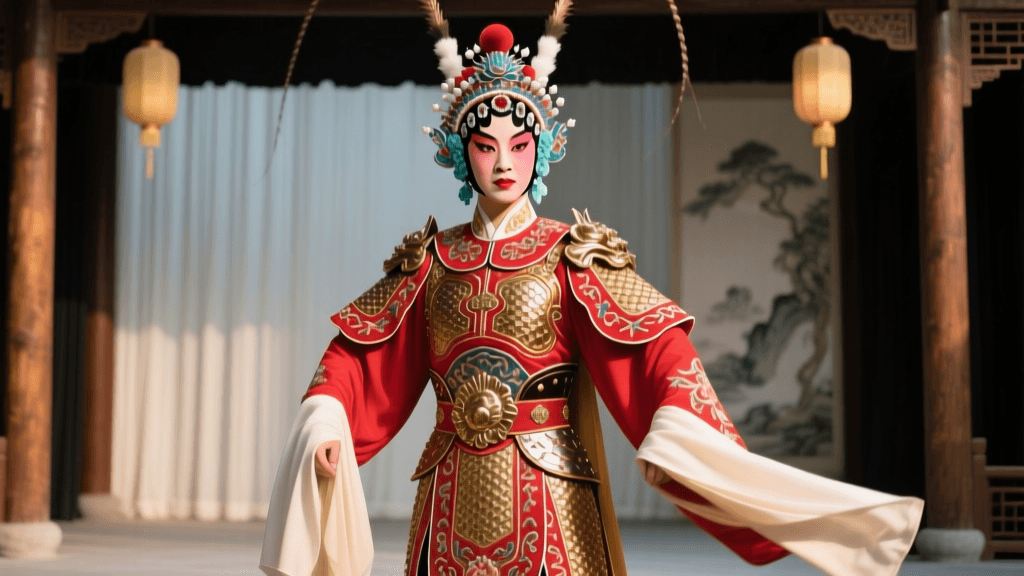
Peking Opera, traditionally known as Jingju, is a spectacular synthesis of music, vocal performance, mime, dance, and acrobatics. Recognized as an Intangible Cultural Heritage of Humanity by UNESCO, this theatrical form relies heavily on visual storytelling. At the heart of this visual language is the Xingtou—the elaborate wardrobe and costume system that instantly communicates a character’s identity, social status, personality, and even their moral alignment to the audience.
Unlike Western theatrical realism, where costumes aim to replicate historical accuracy, Peking Opera costumes are highly stylized and symbolic. They draw loosely from the clothing of the Ming and Qing dynasties but are exaggerated for the stage. As noted by cultural historians at Britannica, the wardrobe is designed to amplify the actor’s movements, turning simple gestures into sweeping, emotional declarations. For performers, collectors, and cultural enthusiasts, understanding the nuances of the Xingtou is essential to appreciating the depth of Chinese traditional theatre.
The Four Main Categories of Peking Opera Costumes
The Jingju wardrobe is strictly categorized to maintain theatrical conventions. While there are dozens of specific garments, they generally fall into four primary classifications:
1. Mang (Court Robes)
The Mang is the most formal and prestigious garment in the Peking Opera wardrobe, worn by emperors, high-ranking officials, and noblewomen. It features a round collar, wide sleeves, and a python motif (a five-clawed dragon, historically reserved for the emperor, is modified to four claws for the stage). The robe is heavily embroidered with metallic threads and often features the Shui Xiu (water sleeves) attached at the cuffs. When an actor wearing a Mang walks, they must perform a specific, measured gait to allow the heavy silk and embroidery to ripple majestically.
2. Kao (Armor)
Worn by military generals and warriors, the Kao is a spectacular suit of armor that prioritizes visual impact over historical realism. It consists of a front and back panel, shoulder pads, and leg coverings, all heavily padded and embroidered with tiger or lion motifs. The most striking feature of the Kao is the four pennant flags attached to the back. These flags create a larger-than-life silhouette and are manipulated during battle sequences to represent the chaos of war, the wind, or the general’s commanding presence.
3. Pei (Informal Robes)
The Pei is a versatile, informal robe worn by nobles and scholars in domestic or relaxed settings. It features a center-front opening, a cross-collar, and side slits. The embroidery on a Pei is usually more subdued and floral compared to the Mang, featuring motifs like plum blossoms, orchids, or cranes. Female roles (Dan) often wear beautifully embroidered Pei to convey elegance and refinement in the inner chambers of a palace or estate.
4. Xuezi (Everyday Garments)
The Xuezi is the most common garment on the Jingju stage, worn by scholars, commoners, and servants. It is a simple, cross-collared robe with a front opening and side slits. Despite its simplicity, the Xuezi is crucial for character acting. A scholar might wear a plain white or pale blue Xuezi to denote poverty and purity, while a wealthy merchant might wear one in deep crimson with subtle floral embroidery. The famous “water sleeves” are most frequently utilized on the Xuezi to express a wide range of emotions, from weeping to joyous surprise.
Decoding Color Symbolism in Jingju Wardrobe
Color is the fastest way for an audience to read a character’s moral compass and temperament. The Smithsonian Magazine highlights how these visual cues are deeply embedded in Chinese cultural psychology. Below is a guide to the primary colors used in Peking Opera costumes:
| Color | Character Trait / Symbolism | Typical Role Example |
|---|---|---|
| Red | Loyalty, bravery, heroism, and uprightness. | Guan Yu (The God of War) |
| Black | Impartiality, roughness, fierceness, and integrity. | Bao Zheng (The incorruptible judge) |
| White | Treachery, cunning, deceit, and suspiciousness. | Cao Cao (The cunning warlord) |
| Yellow | Royalty, supreme power, and divine status. | The Emperor or high deities |
| Blue / Green | Stubbornness, wildness, or outlaw status (often bandits). | Greenwood heroes and demons |
Sourcing and Commissioning Authentic Peking Opera Costumes
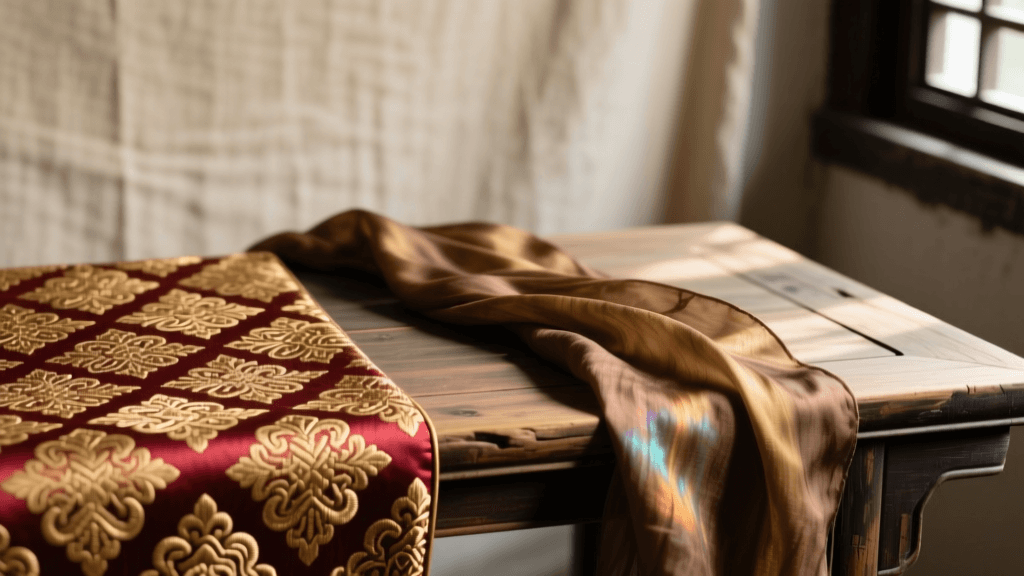
Whether you are a theatre company director, a traditional arts student, or a serious collector, acquiring authentic Jingju garments requires an understanding of Chinese textile markets. The epicenter for opera costume manufacturing is Suzhou, specifically the Zhenhu township, famous for its Su Xiu (Suzhou embroidery).
Practical Sourcing Guide and Cost Breakdown
- Off-the-Rack / Stock Garments: For students or amateur troupes, machine-embroidered polyester or blended silk Xuezi and Pei can be purchased from theatrical supply shops in Beijing’s Liulichang street or online via specialized Chinese e-commerce platforms. Cost: $80 - $250 USD.
- Custom Semi-Handmade: For professional performers requiring better drape and durability, garments made of real silk with a mix of machine and hand-embroidery are ideal. Cost: $500 - $1,200 USD.
- Bespoke Masterpiece (Su Xiu):strong> A fully hand-embroidered Mang or Kao using genuine silk, gold-wrapped threads, and traditional Suzhou stitching techniques. These are museum-quality and built to last generations. Cost: $2,500 - $8,000+ USD.
Crucial Measurements for Commissioning
When ordering a custom Peking Opera costume, standard Western tailoring measurements are insufficient. You must provide the atelier with specific theatrical measurements:
- Shoulder Width: Measured slightly wider than the natural shoulder to allow for the exaggerated, heroic posture required on stage.
- Sleeve Base Length: The actual sleeve of the garment usually ends at the wrist (approx. 20-22 inches from the shoulder).
- Water Sleeve (Shui Xiu) Extension: The white silk extension must be measured based on the actor’s height and arm span. A standard extension is 18 to 24 inches, making the total functional sleeve length between 40 and 46 inches. Advanced performers may request up to 30 inches for complex flicking techniques.
- Kao Flag Placement: For armor, the tailor needs the exact measurement of the upper back and neck base to ensure the four flags sit perfectly perpendicular to the floor when the actor stands in the Ding Liang (heroic stance).
Pro Tip for Troupes: Always order water sleeves made of 100% heavy crepe silk or high-grade habotai. Synthetic fabrics do not hold the “memory” of the fold and will not snap back correctly during the Dou Xiu (flicking) and Shuai Xiu (throwing) techniques.
Caring for Theatrical Silks and Headdresses
The Xingtou is a massive financial investment, and proper maintenance is critical. Traditional Peking Opera costumes are rarely washed with water, as this destroys the metallic threads and stiffening agents used in the embroidery.
- Spot Cleaning: Use a mild, dry-cleaning solvent on a cotton swab for localized stains on the collar or cuffs.
- Airing Out: After a performance, garments must be hung on wide, padded wooden hangers in a well-ventilated, climate-controlled room to allow sweat to evaporate. Never fold a Mang or Kao while damp.
- Headdress (Toushi) Care: The elaborate kingfisher-feather (or modern synthetic equivalent) headdresses are highly fragile. They must be stored in custom-fitted, crush-proof wooden boxes with silica gel packets to prevent the glue from deteriorating in humid conditions.
- Kao Flag Storage: The flags must be removed from the armor after every use and stored flat or hanging vertically to prevent the bamboo or wire stems from warping.
Conclusion
The wardrobe of Peking Opera is a masterclass in visual communication, blending centuries of Chinese textile artistry with the rigorous demands of theatrical performance. From the sweeping water sleeves of a grieving scholar to the imposing, flag-adorned armor of a battlefield general, every stitch and color choice serves a distinct narrative purpose. By understanding the categories, symbolism, and practicalities of sourcing these garments, performers and enthusiasts can ensure that the magnificent tradition of the Jingju Xingtou continues to captivate audiences for generations to come.