The Haori Revival: Styling Japan's Traditional Jacket for Streetwear
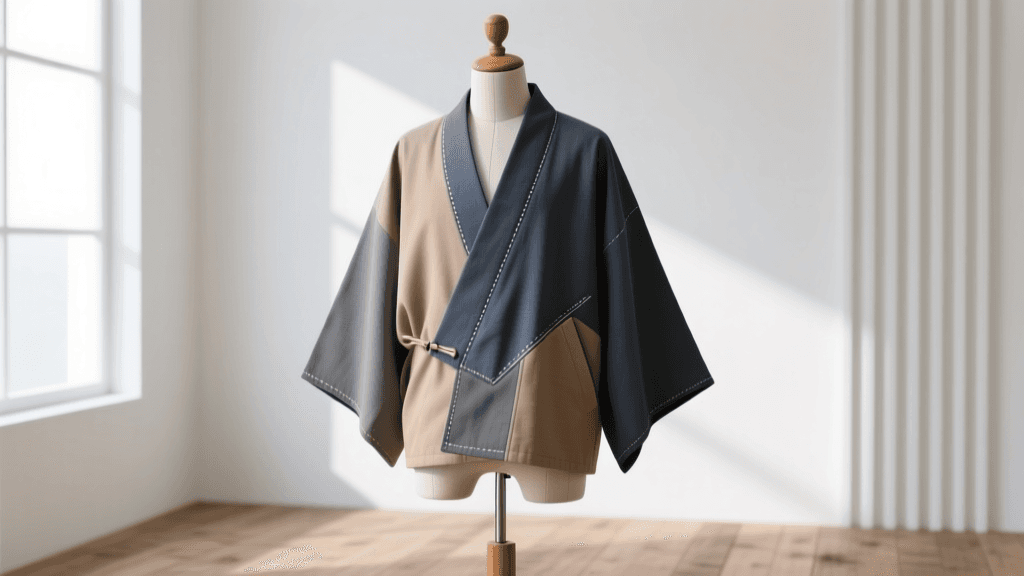
The Haori: From Samurai Armor to Global Streetwear
In the ever-evolving ecosystem of global streetwear, the pursuit of the perfect layering piece is relentless. While hoodies, coach jackets, and overshirts have long dominated the urban landscape, a centuries-old Japanese garment has quietly infiltrated the highest echelons of modern street fashion: the haori. Originally designed as a protective layer worn over samurai armor during the Sengoku period, the haori eventually transitioned into a symbol of Edo-period merchant wealth and artistic expression. Today, it stands as a masterclass in silhouette, drape, and textile artistry, offering a striking alternative to Western outerwear.
The modern revival of the haori is not merely a trend; it is a sartorial bridge between heritage craftsmanship and contemporary subcultures. From the neon-lit alleys of Harajuku to the minimalist boutiques of Brooklyn, streetwear enthusiasts are leveraging the haori’s open-front, T-shaped silhouette to create avant-garde, oversized looks that challenge traditional proportions. As documented by the Victoria and Albert Museum, the structural evolution of Japanese garments like the haori has historically prioritized modular layering and two-dimensional textile art, principles that align perfectly with modern streetwear's obsession with graphic impact and relaxed fits.
Anatomy and Sizing: How to Choose the Right Haori
Unlike Western jackets that rely on complex tailoring, darts, and shoulder seams, the haori is constructed from straight bolts of fabric. This results in a natural drop-shoulder effect that is highly coveted in modern streetwear. However, buying a vintage or authentic haori requires understanding traditional Japanese measurements, which differ significantly from standard S/M/L sizing.
Key Measurements for a Streetwear Fit
- Mitake (Length): For a modern, oversized streetwear aesthetic, look for a length between 85cm and 100cm (33 to 39 inches). This ensures the jacket hits mid-thigh, allowing it to layer elegantly over longline t-shirts or hoodies.
- Yuki (Center Back to Sleeve End): A Yuki measurement of 70cm to 80cm provides the signature boxy, drop-shoulder drape. The sleeves are intentionally wide and open, allowing for chunky layering underneath.
- Sodetake (Sleeve Depth): Streetwear adaptations often favor a slightly shorter sleeve depth (around 35cm to 45cm) to prevent the garment from looking like formal wear, giving it a more utilitarian, jacket-like appearance.
When shopping online or in vintage archives, always request these specific centimeter measurements. A garment that looks like a standard jacket on a hanger will transform into a dramatic, flowing layer when worn.
Three Actionable Streetwear Styling Formulas
Integrating a traditional garment into a contemporary wardrobe requires balancing proportions and contrasting textures. Here are three actionable formulas to style the haori for the modern streets.
1. Techwear Fusion: The Urban Ninja
Techwear relies on utilitarian fabrics, modular pockets, and monochromatic palettes. To adapt the haori for this subculture, swap traditional silk for modern nylon or Gore-Tex reproductions offered by contemporary Japanese brands like F/CE. or White Mountaineering.
- Outerwear: Black nylon water-resistant haori.
- Base Layer: Compression mock-neck top or a minimalist graphic tee.
- Bottoms: Tapered cargo pants with articulated knees and strap details.
- Footwear: Salomon XT-6 or Nike ISPA Link.
- Accessory: A crossbody sling bag worn under the haori to keep the front silhouette clean.
2. Neo-Vintage Americana: The Sashiko Workwear Look
The intersection of Japanese heritage and American workwear is a cornerstone of the vintage streetwear scene. This look utilizes cotton haori, particularly those featuring sashiko (decorative reinforcement stitching) or indigo dyeing, bridging the gap between a chore coat and a traditional jacket.
- Outerwear: Vintage indigo-dyed cotton haori (often sourced from rural farming garments, sometimes blurring the line between haori and noragi).
- Base Layer: Heavyweight loopwheeled hoodie in heather grey.
- Bottoms: Faded Levi's 501s or wide-leg denim with a raw hem.
- Footwear: New Balance 990v5 or Converse Addict Chuck 70s.
- Detail: Use a traditional braided haori himo (front tie) in a contrasting color like mustard yellow to cinch the waist slightly if the wind picks up.
3. High-Fashion Minimalist: The Silk Drape
For those leaning into the avant-garde, high-fashion aesthetic championed by designers like Yohji Yamamoto, a vintage silk crepe haori offers unparalleled movement and luxury.
- Outerwear: Mid-century silk haori with a subtle, dark damask pattern (avoid loud, tourist-shop souvenir prints).
- Base Layer: Crisp, oversized white poplin button-down shirt.
- Bottoms: Wide-leg, pleated wool trousers that pool slightly at the ankle.
- Footwear: Maison Margiela Replica German Trainers or polished leather Derbies.
The haori is unique in its ability to act as both a canvas for traditional artistry and a structural layering piece that defies seasonal trends. It forces the wearer to think about negative space and the architecture of clothing.
— Kyoto Journal, Arts & Culture
Sourcing Authentic and Vintage Haori
Acquiring a haori is an investment in textile history. The market is generally divided into three categories: vintage silk, vintage cotton/workwear, and modern designer reproductions. Coverage in The Japan Times highlights how the global resurgence of Japanese dress has pushed vintage prices up, but hidden gems remain accessible for those who know where to look.
| Category | Material | Average Cost (USD) | Pros & Cons | Best Sourcing Locations |
|---|---|---|---|---|
| Vintage Formal | Silk Crepe / Rinzu | $120 - $350 | Pros: Incredible drape, hand-painted linings. Cons: Fragile, dry-clean only, easily water-damaged. | Specialized Kyoto antique markets, Moth Marketplace (Online). |
| Vintage Folk/Cotton | Cotton / Sashiko / Kasuri | $60 - $180 | Pros: Durable, washable, rugged streetwear aesthetic. Cons: Heavier, less formal drape. | Shimokitazawa & Koenji thrift stores (Tokyo), Etsy vintage sellers. |
| Modern Reproduction | Nylon / Tech-Fleece / Linen | $250 - $650+ | Pros: Weather-resistant, modern tailoring, functional pockets. Cons: Lacks historical patina and heritage craftsmanship. | Contemporary boutiques (e.g., Dover Street Market), Brand flagship stores. |
Street style archivists at Tokyo Fashion regularly capture youth in Tokyo's Harajuku and Daikanyama districts mixing affordable vintage cotton haori from local thrift shops with high-end contemporary sneakers, proving that the garment's appeal transcends price points.
Navigating the Vintage Market
If you are hunting in person in Tokyo, bypass the mainstream vintage stores on Takeshita Street. Instead, head to the labyrinthine basement thrift stores in Shimokitazawa, such as New York Joe Exchange or Flamingo. Look for garments stored in the traditional paper wrappers (tatoushi), which indicate they have been cared for properly. When buying online, always ask the seller for photos of the armpits and the inner lining (the hakkake), as these areas are prone to hidden staining and silk degradation.
Garment Care for Longevity
Maintaining a haori requires a departure from standard laundry habits. The structural integrity of the garment relies on its seams and the delicate nature of its textiles.
- Silk Haori: Never wash with water. Spot clean minor stains with a specialized silk detergent and a microfiber cloth. For deep cleaning, take it to a dry cleaner who specializes in theatrical costumes or heritage garments. Always store folded in acid-free tissue paper inside a cedar box to prevent moisture buildup and moth damage.
- Cotton/Sashiko Haori: These are remarkably resilient. Hand wash in cold water with a mild, pH-neutral detergent. Do not wring the fabric; instead, press the water out between two clean towels and hang dry in the shade. Direct sunlight will rapidly fade traditional indigo dyes.
- The Haori Himo (Ties): The braided front ties are often the first element to fray. Untie them carefully before storage or cleaning, and consider replacing them with modern paracord or leather laces for a rugged streetwear upgrade.
Conclusion
The integration of the haori into modern streetwear is a testament to the timelessness of Japanese garment engineering. By understanding its historical roots, mastering its unique measurements, and thoughtfully contrasting its traditional textiles with contemporary streetwear staples, you can elevate your layering game from standard to sartorial. The haori is not just a jacket; it is a wearable archive of Asian tradition, recontextualized for the concrete jungle.