Recreating Iconic Chinese Drama Hanfu: A Styling Guide
The Cinematic Renaissance of Chinese Traditional Clothing
The global explosion of Chinese historical dramas, or C-dramas, has done more than just entertain audiences; it has ignited a worldwide revival of traditional Hanfu clothing. From the sweeping, ethereal landscapes of Xianxia fantasies like The Untamed and Till the End of the Moon to the meticulously researched court intrigues of The Story of Yanxi Palace, the silver screen has become the ultimate mood board for traditional Chinese fashion enthusiasts. According to a comprehensive market analysis reported by Sixth Tone, the Hanfu market has surged into a multi-billion dollar industry, heavily driven by fans seeking to emulate their favorite on-screen characters. But translating cinematic costumes into wearable, photogenic reality requires an understanding of fabric drape, historical silhouettes, and practical styling. This guide will break down how to recreate iconic C-drama Hanfu looks, complete with measurements, fabric recommendations, and budgeting tips.
Decoding C-Drama Silhouettes: Wuxia vs. Xianxia vs. Palace
Before purchasing your first set, it is crucial to understand the three dominant genres of C-drama costuming, as each demands a completely different structural approach.
Wuxia (Martial Arts)
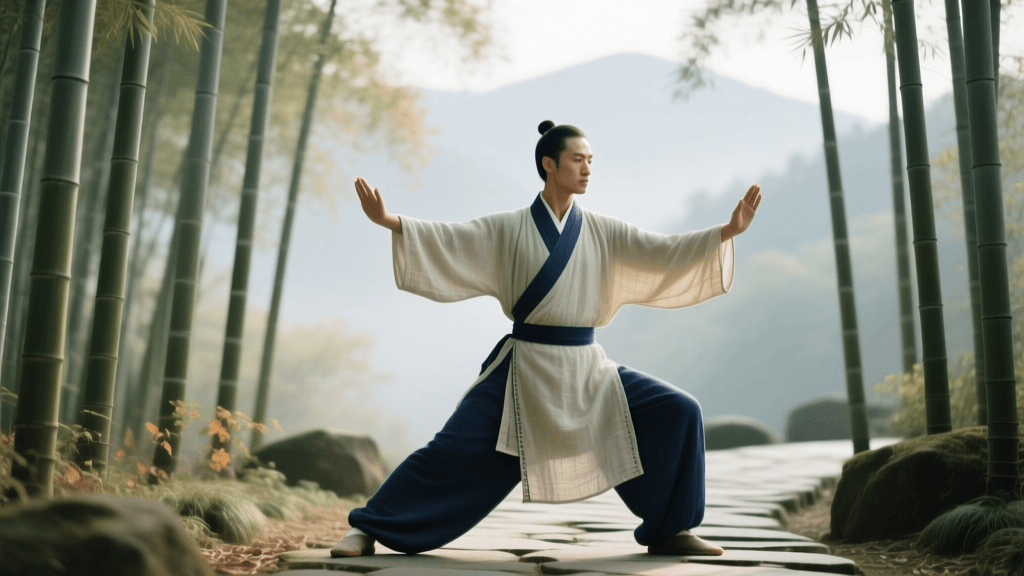
Wuxia dramas focus on martial heroes and wanderers. The costuming prioritizes mobility, featuring narrow sleeves, leather bracers, and robust fabrics. The quintessential Wuxia garment is the Yuanlingpao (round-collar robe) or the Jiaoling Pao (cross-collar robe) paired with trousers and riding boots. To achieve this look, opt for matte cotton-linen blends or washed raw silk. Skirt lengths should be kept above the ankle (around 95-100cm) to allow for dynamic movement and martial arts posing.
Xianxia (Immortal Fantasy)
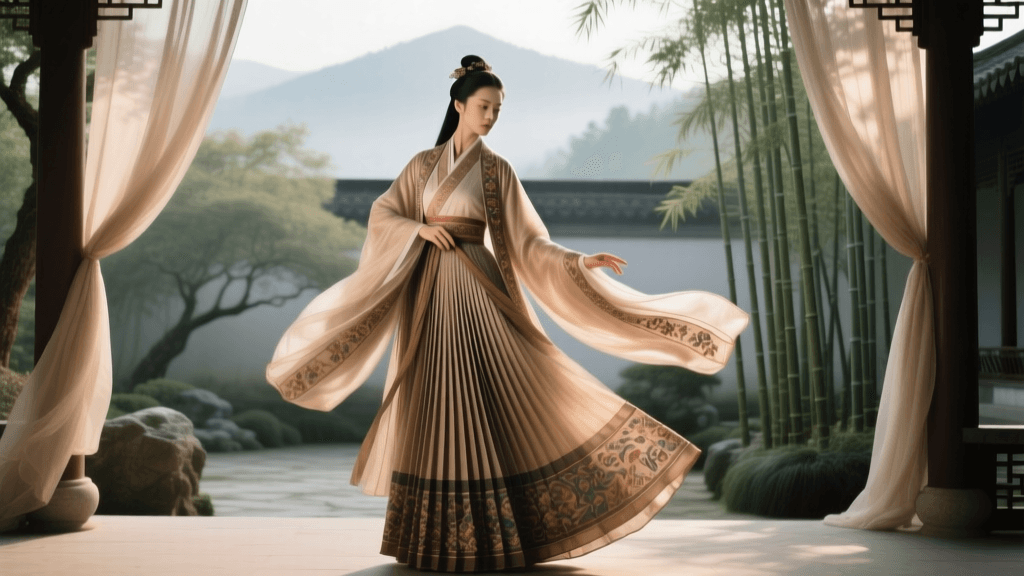
Xianxia is defined by ethereal, gravity-defying aesthetics. Think flowing layers, translucent overlays, and dramatic trailing sleeves. The key garment here is the Daxiushan (large-sleeved shirt) worn over a Qixiong Ruqun (chest-high skirt). Sleeve widths in Xianxia costumes often exceed 60cm in drop length, creating a wing-like effect when the actor's arms are raised. For modern recreations, layering a sheer chiffon or organza outer robe over a solid inner set is essential to capture the mystical drape seen on screen.
Palace and Historical Court
Dramas set in the Ming or Qing dynasties emphasize structured opulence. The Mamianqun (horse-face skirt) is the undisputed star of Ming-dynasty court dramas, featuring intricate woven jacquard patterns and heavy pleats. The upper body is adorned with the Aoqun (lined jacket and skirt) or the Yunjian (cloud shoulder). These garments require stiff, heavy brocades to maintain their architectural pleats and stand-up collars.
Fabric Selection: Screen-Accurate vs. Budget-Friendly
Television costumes are often made from custom-woven silks and heavy brocades that can cost thousands of dollars and weigh over ten pounds. For real-world wear and travel photography, you must balance visual impact with comfort and cost. As noted by Vogue's coverage of the Hanfu movement, modern enthusiasts are increasingly blending historical accuracy with contemporary textile technology to achieve the screen-accurate look without the cinematic price tag.
| Fabric Type | Best Drama Genre | Drape and Feel | Estimated Cost (per set) | Care Instructions |
|---|---|---|---|---|
| Polyester Chiffon | Xianxia (Outer layers) | Sheer, floating, lightweight | $30 - $60 | Machine wash cold, hang dry |
| Woven Jacquard | Palace / Ming Court | Stiff, structured, opulent | $80 - $150 | Dry clean only to preserve pleats |
| Raw Silk / Linen Blend | Wuxia / Scholar | Matte, breathable, textured | $90 - $180 | Hand wash, iron on low heat |
| Crushed Velvet | Winter Court / Villain | Heavy, rich, light-absorbing | $100 - $200 | Steam only, avoid crushing |
Practical Layering and Crucial Measurements
When ordering custom or made-to-measure Hanfu to replicate a specific character, precision is paramount. The most critical rule in traditional Chinese clothing is Jiaoling Youren—the left lapel must always cross over the right lapel (from the wearer's perspective, the right side is hidden). Crossing right over left is historically reserved for the deceased and is a glaring error that will immediately pull viewers out of your cinematic illusion.
For Xianxia chest-high skirts (Qixiong Ruqun), the skirt length should be measured from the armpit down to the floor, typically requiring 115-125cm of fabric depending on your height. To prevent the skirt from slipping—a common issue during active photography shoots—look for sets that include internal silicone grip strips or opt for a traditional fabric tie that wraps securely around the torso before the decorative outer ribbons are tied.
Sleeve measurements dictate the drama of your silhouette. Standard historical daily wear features sleeve widths of 30-40cm. However, to capture the dramatic, wind-swept aesthetic of a C-drama climax, request Guangxiu (broad sleeves) with a width of at least 55-70cm. Keep in mind that extremely wide sleeves will drag on the ground; you will need to learn the traditional art of Zhaixiu (gathering the sleeves into the hands or bracers) when eating or navigating crowded convention spaces.
Cinematic Posing and Photography Tips
Wearing the garment is only half the battle; capturing the C-drama essence requires specific posing techniques. In Xianxia photography, the wind-blown effect is paramount. Bring a portable leaf blower or a large piece of cardboard to create artificial wind on set, allowing the 60cm Guangxiu sleeves and chiffon Pibo (shawl) to billow dramatically. For Wuxia shoots, incorporate props like a traditional bamboo flute (Dizi) or an unsharpened prop sword (Jian). Keep your posture rigid and your gaze focused on a distant point to emulate the stoic, wandering martial artist trope. Lighting should mimic the diffused, overcast conditions often used in Chinese historical dramas to soften the skin and highlight the intricate jacquard weaves of the Mamianqun.
Accessorizing for the Camera
A C-drama costume is incomplete without its metalwork and hairpieces. Screen costumers use lightweight resin and 3D-printed metals to prevent neck strain during long shooting days. For your own recreations, invest in alloy Guan (hair crowns) for male or gender-neutral presentations, and Buyao (step-shake hairpins) for female presentations. The step-shake design features dangling tassels that tremble with every movement, catching the light beautifully on video. Pair your garments with traditional cloth boots (Xuezi) featuring a slight wooden platform to elevate your posture and ensure your floor-length skirts do not get trampled underfoot.
Bringing the Screen to Life
Recreating Chinese drama Hanfu is an exercise in balancing historical reverence with cinematic flair. By understanding the structural differences between Wuxia mobility and Xianxia etherealism, selecting the right modern textiles, and adhering to traditional measurements, you can step out of the living room and into your own historical epic. Whether you are shooting a viral social media transition or attending a cultural festival, the magic of C-drama costuming lies in the meticulous details of the drape, the cross-collar, and the flowing sleeve.