The Anatomy of Tai Chi Fu: Selecting Traditional Practice Wear
The Intersection of Movement and Textile in Tai Chi
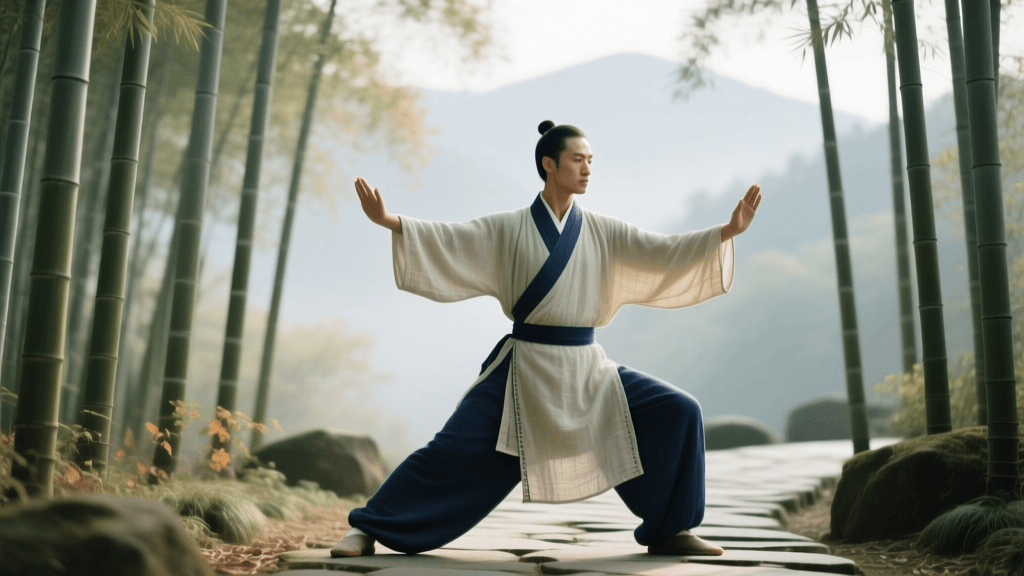
Tai Chi Chuan is often described as meditation in motion. As noted by the Mayo Clinic, this ancient Chinese martial art combines deep breathing, relaxation, and flowing movements to improve balance, reduce stress, and enhance flexibility. To facilitate these uninterrupted, sweeping movements, the traditional uniform, known as Tai Chi Fu, is meticulously designed. Unlike modern athletic wear, which relies on synthetic elastane for stretch, traditional Tai Chi clothing utilizes strategic tailoring, natural fibers, and historical cuts to accommodate the extreme ranges of motion required in martial arts practice.
According to Harvard Health Publishing, the physical benefits of Tai Chi are deeply tied to the practitioner's ability to move freely and maintain a grounded, relaxed posture. Restrictive clothing can impede the flow of Qi (vital energy) and physically hinder deep stances. Therefore, selecting the right Tai Chi Fu is not merely an aesthetic choice; it is a functional necessity for both martial artists and wellness practitioners.
Core Components of the Tai Chi Uniform
The Tang Jacket (Tangzhuang) and Frog Buttons
The most recognizable element of Tai Chi practice wear is the Tangzhuang, or Tang jacket. While its modern iteration was popularized in the late 20th century, its roots trace back to the Qing dynasty. The jacket features a Mandarin collar, which historically protected the neck from wind and cold during outdoor morning practice. The front closure utilizes pankou (traditional knotted frog buttons). These fabric knots are not only culturally significant but also practical; they lie flat against the chest and do not dig into the skin during floor work or deep chest expansions.
The diagonal or asymmetrical front opening, common in many traditional martial arts jackets, allows for greater chest expansion during deep diaphragmatic breathing. A standard button-down shirt restricts the ribcage, whereas the overlapping wrap-style or diagonal cut of a Tai Chi jacket moves dynamically with the torso.
The Cut: Drop Shoulders and Gussets
The sleeve construction of a Tai Chi jacket typically employs a drop-shoulder or raglan cut. This eliminates the rigid shoulder seam found in Western tailoring, allowing the arms to be raised above the head or extended outward without pulling the hem of the jacket upward. The sleeves are cut wide and taper slightly at the wrist, ensuring that the Laogong acupressure point on the palm remains unobstructed and the wrists can rotate freely during forms like 'Cloud Hands'.
The trousers are equally specialized. They feature a high, elasticated, or drawstring waist that sits at the navel (the Dantian, or body's center of gravity). Crucially, the crotch seam is reinforced with a diamond-shaped gusset, typically measuring 4 to 6 inches across. This gusset is essential for executing deep martial stances such as Pu Bu (drop stance) or Xie Bu (rest stance) without tearing the fabric or restricting the inner thigh.
Fabric Selection: A Comparative Guide
The historical use of silk in Chinese martial and ceremonial garments is deeply rooted in the culture's textile heritage, as detailed by the Metropolitan Museum of Art. However, modern practitioners have a variety of natural fibers to choose from, each offering distinct advantages depending on the climate and intensity of the practice.
| Fabric Material | Breathability | Drape and Flow | Average Cost (USD) | Best Season |
|---|---|---|---|---|
| Mulberry Silk | High | Exceptional, fluid | $80 - $200+ | Spring / Autumn |
| Raw Cotton | Moderate | Moderate, structured | $30 - $60 | Autumn / Winter |
| Pure Linen | Very High | Crisp, stiff initially | $50 - $120 | Summer |
| Bamboo Blend | Very High | Heavy, fluid drape | $40 - $90 | Summer / Spring |
- Mulberry Silk: The gold standard for Tai Chi. Silk regulates body temperature, wicks light moisture, and provides a beautiful, flowing drape that accentuates the visual lines of Tai Chi forms. It is ideal for demonstrations and moderate climates.
- Raw Cotton: Highly durable and easy to wash. Cotton provides a slightly heavier, more structured feel that some practitioners prefer for winter training or rigorous push-hands (Tui Shou) sparring, where silk might be too fragile.
- Pure Linen: Excellent for hot, humid summers. Linen dries quickly and allows maximum airflow, though it lacks the fluid drape of silk and wrinkles easily, which some purists appreciate for its natural, unpretentious aesthetic.
- Bamboo Blend: A modern eco-friendly alternative. Bamboo fabric is incredibly soft, naturally antibacterial, and offers a heavy, luxurious drape that mimics silk but at a lower price point and with easier care.
Seasonal Wardrobe Strategy for Practitioners
Spring and Summer (Heat and Humidity)
During warmer months, the goal is to maintain a cool core while protecting the joints from morning drafts. A lightweight bamboo or linen short-sleeve jacket paired with wide-leg linen trousers is optimal. If practicing outdoors at dawn, a thin silk sash worn around the waist is recommended to protect the Mingmen (lower back) from wind exposure, a key tenet in traditional Chinese medicine.
Autumn and Winter (Cold and Wind)
Layering is essential. Practitioners should opt for raw cotton or heavier silk blends. A traditional sleeveless vest (often padded with light cotton or silk floss) worn over a long-sleeve jacket allows for core warmth without restricting arm mobility. Trousers should be tucked into traditional cotton socks or leg wrappings to prevent cold air from entering the wide leg openings during low stances.
Sizing, Measurements, and Fit
Proper fit is paramount. A Tai Chi uniform should never cling to the body. When measuring for a custom or high-quality off-the-rack Tai Chi Fu, consider the following actionable guidelines:
- Chest and Torso Ease: Add 4 to 6 inches to your actual chest measurement. This ease accommodates the deep, expansive breathing required during the forms.
- Sleeve Length: With arms extended forward, the sleeve should end exactly at the wrist bone. If it covers the hand, it will obscure the hand shapes (e.g., the 'Hook Hand' or 'Willow Leaf Palm') crucial for martial application and energy flow.
- Trouser Inseam: The hem should fall 1 to 2 inches above the ankle bone. This prevents the fabric from catching under the heel during transitions and allows the instructor to clearly see your ankle alignment and weight distribution.
Footwear: Grounding the Practice
No Tai Chi uniform is complete without proper footwear. Modern running shoes with thick, cushioned heels elevate the center of gravity and disconnect the practitioner from the ground, ruining the concept of 'rooting.' Traditional Tai Chi shoes, such as the iconic Feiyue or Warrior brands, feature a flat, thin rubber or canvas sole. Costing between $15 and $30, these shoes provide just enough grip on concrete or wood floors while allowing the sensory receptors in the feet to feel the ground, facilitating proper weight shifting and balance.
Caring for Your Traditional Practice Wear
To maintain the structural integrity and drape of natural fibers, proper care is essential. Silk garments must be hand-washed in cold water using a pH-neutral detergent (such as baby shampoo or specialized silk wash). Never wring silk; instead, roll it in a dry towel to press out excess moisture and air-dry it in the shade, as direct sunlight degrades the protein fibers. Cotton and linen can be machine-washed on gentle cycles but should be air-dried to prevent shrinkage that could alter the precise measurements required for deep stances.
Conclusion
The traditional Tai Chi uniform is a masterclass in functional design, born from centuries of martial necessity and cultural philosophy. By understanding the anatomy of the Tangzhuang, selecting the appropriate natural fabrics for your climate, and ensuring precise measurements for unrestricted movement, practitioners can elevate their physical practice. When the clothing moves as fluidly as the body, the boundary between the garment and the practitioner dissolves, allowing for a deeper, more profound connection to the art of Tai Chi.