Miao Folk Dress: Indigo and Silver Traditions of Guizhou
The Wearable History of Guizhou Province
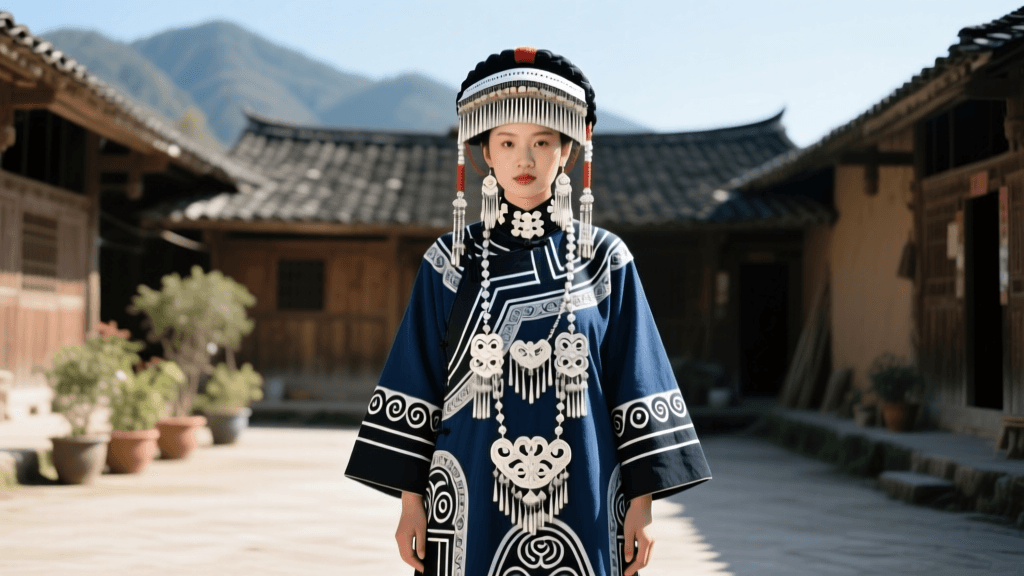
When exploring the rich tapestry of Asian traditions, few regional folk garments are as visually arresting and culturally profound as the traditional dress of the Miao (Hmong) people in China's Guizhou province. Unlike the standardized silhouettes of the Han dynasty hanfu or the Manchu-influenced qipao, Miao provincial dress is a hyper-localized, wearable archive of mythology, migration, and ancestral reverence. According to cultural historians and resources like Britannica, the Miao people have historically used their textiles and silverwork as a substitute for a written language, encoding their epic tales and spiritual beliefs directly into their garments.
For textile collectors, cultural enthusiasts, and sustainable fashion advocates, understanding the nuances of Miao folk dress requires a deep dive into its two foundational pillars: the mastery of indigo batik and the staggering weight of hand-forged silver jewelry. This guide provides an actionable, detailed look into the craftsmanship, regional variations, and practical sourcing of authentic Miao provincial garments.
The Art of Indigo Dyeing and Batik (Lajiao)
The foundation of the Miao wardrobe is the deep, lustrous blue achieved through natural indigo fermentation, known locally as lanjiao. In regions like Danzhai County, the batik technique is recognized as a masterful intangible cultural heritage, a status documented on the UNESCO Intangible Cultural Heritage of China registry. The process is labor-intensive, relying on a copper knife (ladao) to apply melted beeswax to hand-woven cotton before dipping it into vats of fermented indigo.
Actionable Guide: Commissioning Custom Batik
If you are visiting Guizhou or working with a sourcing agent to commission authentic Miao batik, consider the following practical details:
- Timing: The best time for indigo dyeing is during the humid summer months (June to August). The fermentation vat requires a consistent temperature of 20-25°C (68-77°F) to thrive. Winter dyeing often results in uneven, patchy blues.
- The Dipping Process: A true, colorfast Miao indigo black-blue requires up to 20 separate dips. After each dip, the fabric is oxidized in the air. Expect a lead time of 3 to 4 weeks for a single custom jacket.
- Costs: A commercially produced, machine-waxed indigo jacket costs around 150-300 RMB ($20-$40 USD). However, a hand-drawn, naturally fermented, and hand-embroidered jacket from a Danzhai artisan will range from 1,200 to 3,500 RMB ($170-$480 USD), depending on the complexity of the wax-resist motifs.
- Finishing: Traditional Miao indigo cloth is often beaten with wooden mallets and polished with egg white or pig's blood to create a stiff, metallic sheen. When buying, ask the artisan if the fabric has been 'calendered' (polished) for that authentic provincial finish.
Miao Silver Jewelry: Weight, Craft, and Value
No discussion of Miao folk dress is complete without addressing the silver. Silver represents light, purity, and protection against evil spirits. During major festivals like the Sisters' Meal Festival (held annually in April or May, depending on the lunar calendar), women wear staggering amounts of silver. As noted by travel and cultural experts at China Highlights, the Xijiang Miao Village is famous for its silversmiths, where a full bridal headdress and chest plate can weigh between 5 to 10 kilograms (11 to 22 lbs).
Practical Guide to Buying Miao Silver
Sourcing authentic silver in markets like Kaili or Xijiang requires a keen eye and an understanding of current metallurgical pricing.
- Purity and Hallmarks: Traditional Miao silver was often mixed with copper for durability, but modern commissions for collectors usually demand 99% pure silver or 925 sterling silver. Always ask for the zuyin (pure silver) hallmark.
- Pricing Structure: Silver jewelry in Guizhou is priced by weight plus a craftsmanship fee. With raw silver hovering around 5-7 RMB per gram, finished artisan Miao silver typically costs 15 to 25 RMB per gram. A standard 50-gram silver hairpin will cost roughly 750 to 1,250 RMB ($105-$175 USD).
- Authentication Tests: Bring a strong neodymium magnet. Silver is paramagnetic and will not stick to a magnet. Additionally, pure silver has a distinct, dull 'clink' when tapped, whereas silver-plated brass or copper will produce a higher-pitched, ringing sound.
- Everyday Wearability: While the massive buffalo-horn headdresses are museum pieces, consider sourcing everyday Miao silver items like the yinlou (silver lock necklaces) or intricate hair combs, which weigh under 100 grams and integrate beautifully into modern wardrobes.
Regional Variations in Provincial Dress
The Miao are not a monolith; their dress changes dramatically across different counties in Guizhou. Understanding these regional distinctions is crucial for serious collectors and historians. Below is a comparison chart of three prominent regional styles:
| Region | Skirt Style & Measurements | Silver Prominence | Dominant Motifs & Techniques |
|---|---|---|---|
| Xijiang (Leishan) | Long, sweeping pleated skirts (60-80 cm length) | Massive horned headdresses, heavy multi-tiered chest plates | Dragons, butterflies, and elaborate cross-stitch embroidery |
| Danzhai | Short, layered mini-skirts (15-20 cm length) worn over leggings | Minimalist hairpins, silver combs, and small ear hoops | Wax-resist batik birds, geometric spirals, and indigo dominance |
| Rongjiang | Mid-calf skirts with heavy, embroidered front aprons | Elaborate twisted neck rings and shoulder capes | Ancestral figures, river maps, and appliqué techniques |
The Pleated Skirt (Baiqun) and Embroidery
The Miao pleated skirt, or baiqun, is a marvel of structural textile engineering. A single skirt can require 10 to 15 meters of hand-woven cotton, tightly pleated and bound with thread. To maintain the rigid, accordion-like structure, the skirts are traditionally treated with a mixture of egg white, herbal juices, and sometimes animal blood, then left to dry in the sun. Vintage pleated skirts from the mid-20th century are highly sought after by textile archivists and can fetch between 2,000 and 5,000 RMB ($280-$700 USD) depending on their condition and the fineness of the pleats.
Authenticating Handmade Embroidery
Machine-made knockoffs of Miao embroidery flood the tourist markets. To ensure you are purchasing authentic provincial folk art, examine the following:
- The Reverse Side: Handmade Miao embroidery, particularly the 'double-sided' stitch, will look nearly as neat on the back as on the front. Machine embroidery will show messy, chaotic jump threads and a synthetic mesh backing.
- Thread Composition: Traditional artisans use silk threads that are hand-spun and dyed. They often have a slightly irregular thickness and a matte, organic luster. Machine pieces use uniform, high-shine polyester threads.
- Motif Accuracy: The 'Butterfly Mother' (Mais Bangx) is a sacred Miao creation myth. In authentic pieces, the butterfly is depicted with a sense of reverence and specific anatomical quirks, whereas mass-produced items often reduce it to a generic, symmetrical insect.
Care and Preservation of Provincial Garments
Integrating these historic garments into a modern collection or wardrobe requires specific conservation techniques to preserve their organic materials.
- Indigo Care: Never wash natural indigo in hot water or use alkaline detergents, as this will strip the dye and ruin the polished finish. Hand wash in cold water with a pH-neutral soap (like baby shampoo or specialized textile wash) and dry in the shade. Direct sunlight will cause the deep blue to turn a brittle, dusty gray.
- Silver Maintenance: The high humidity of Guizhou means Miao silver is often treated with anti-tarnish oils. When storing silver headdresses or necklaces, wrap them in untreated, acid-free cotton cloth and include silica gel packets to absorb moisture. Avoid commercial silver dips, which can damage the intentional oxidized blackening used in the crevices of Miao repoussé work to highlight the designs.
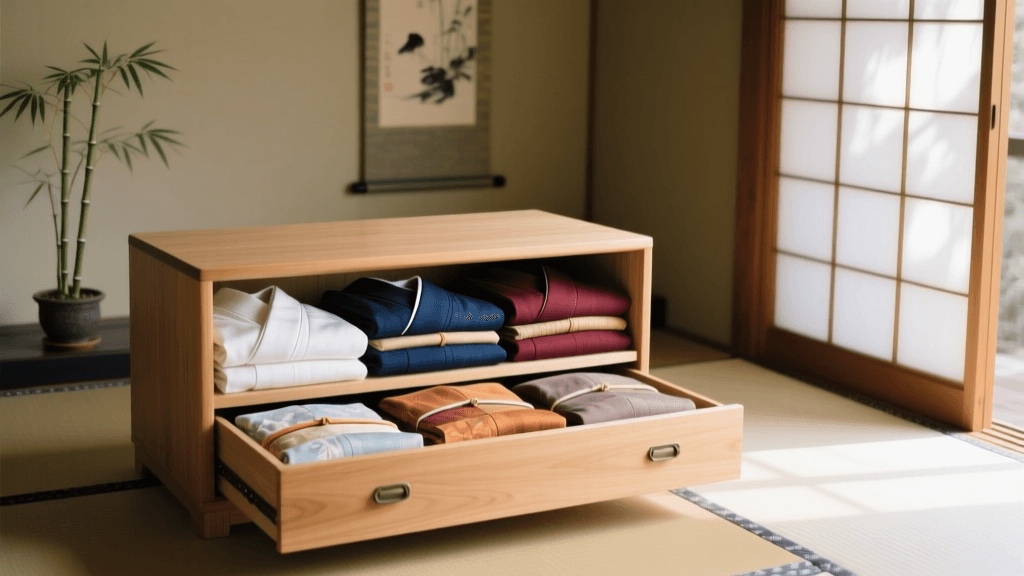
- Pleated Skirt Storage: Never hang a stiffened pleated skirt on a hanger, as gravity will eventually pull the pleats out of alignment. Store them flat, folded along their natural pleat lines, in a breathable cotton storage bag with cedar blocks to deter moths.
Conclusion
The regional folk dress of the Miao people in Guizhou is a testament to the resilience and artistic brilliance of provincial China. From the deep, fermented blues of Danzhai batik to the heavy, ringing silver of Xijiang, these garments offer a profound connection to Asian traditions. By understanding the craftsmanship, regional nuances, and proper sourcing methods, collectors and enthusiasts can help preserve and respectfully celebrate this extraordinary wearable heritage.