How to Style Traditional Kimono for Anime Cosplay
The Intersection of Anime and Wafuku Fashion
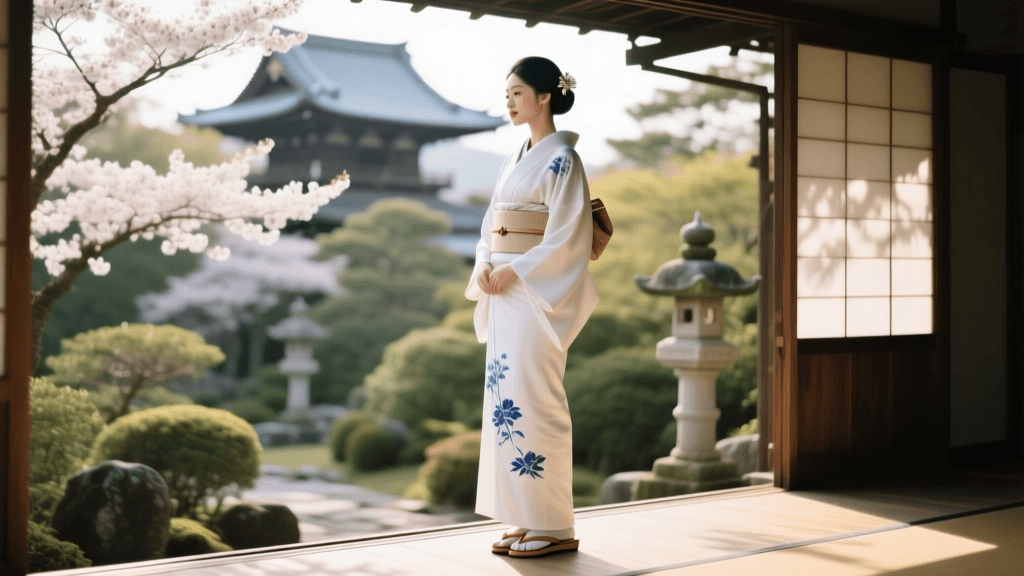
For decades, anime and manga have served as vibrant global ambassadors for Japanese culture, and nowhere is this more evident than in the realm of fashion. Traditional Japanese clothing, collectively known as wafuku, frequently appears in iconic series, reimagined through a lens of fantasy, historical fiction, and stylized action. From the Taisho-era aesthetics of Demon Slayer: Kimetsu no Yaiba to the stylized shihakusho (black robes) of the Soul Reapers in Bleach, and the rugged suikan jackets worn by Inuyasha, traditional garments are foundational to anime character design.
However, translating these two-dimensional designs into three-dimensional cosplay or everyday anime-inspired street fashion requires more than just buying a mass-produced costume. It requires an understanding of traditional Japanese tailoring, fabric behavior, and layering techniques. Blending authentic kimono elements with anime cosplay creates a premium, highly detailed aesthetic that stands out on the convention floor and in editorial photography. This guide will walk you through the practicalities of sizing, sourcing, and styling traditional Japanese garments for anime-inspired fashion.
Decoding Measurements: Traditional vs. Cosplay Sizing
One of the most significant hurdles for cosplayers entering the world of authentic wafuku is sizing. Unlike Western clothing, which is cut to fit the contours of the body using darts and curved seams, traditional kimono are constructed from straight, rectangular bolts of fabric called tanmono. They are wrapped, folded, and tied to fit the wearer. Understanding the core measurements is crucial for achieving the dramatic, flowing silhouettes seen in anime.
| Garment Component | Traditional Term | Anime/Cosplay Adaptation | Practical Sizing Advice |
|---|---|---|---|
| Body Length | Mitake | Often exaggerated for dramatic pooling at the feet or shortened for action-ready mobility. | Ideally, the mitake should equal your height minus 10 inches to allow for the ohashori (the fold at the waist). For cosplay action, size down by an extra 2 inches. |
| Sleeve Span | Yuki | Anime sleeves frequently extend past the fingertips for an elegant, ethereal look. | Measure from the center back of your neck, over the shoulder, to your wrist. Add 2-4 inches for an exaggerated anime drape. |
| Pleated Trousers | Hakama | Worn high-waisted in anime to elongate the legs, often with wider, stiffer pleats. | Measure from your natural waist (belly button) to your ankle bone. Ensure the koshi-ita (backboard) sits firmly against your lumbar spine. |
| Sash | Obi | Massive, sculptural bows (like the fukura-suzume) are common in magical girl and Wa-Loli styles. | Standard maru obi are 12 inches wide and 14 feet long. For anime cosplay, use a stiff brocade and internal wire to defy gravity. |
The Art of Layering: Building the Anime Silhouette
Anime character designs often feature complex, multi-layered outfits that look heavy and opulent. To replicate this using authentic garments, you must master the traditional layering system, known as kitsuke. While historical court fashion (like the 12-layered juni-hitoe) is impractical for modern wear, a streamlined version is perfect for cosplay.
- Hadajuban (Skin Layer): A thin, breathable cotton undergarment. In cosplay, this protects expensive vintage silks from sweat and body oils during long convention days.
- Nagajuban (Under-Kimono): The second layer, usually made of silk or synthetic chirimen (crepe). Only the collar (eri) and the very bottom of the sleeves are meant to peek out. In anime styling, contrasting the nagajuban collar color against the main kimono adds vital visual depth.
- Kosode / Kimono (Main Layer): The primary garment. For anime adaptations, look for bold, asymmetrical patterns or family crests (mon) that mimic character motifs.
- Haori (Jacket): Worn open over the kimono. The Demon Slayer boom heavily popularized the checkered haori. Authentic vintage haori feature incredible, hidden linings that can be flashed dynamically for photoshoots.
- Hakama (Pleated Skirt/Trousers): Essential for samurai, shrine maiden (miko), and martial artist characters. They add immense volume and a striking, grounded silhouette.
Sourcing: Authentic Silk vs. Cosplay Synthetics
When building an anime-inspired wafuku wardrobe, you must decide between authentic vintage garments and modern cosplay reproductions. Both have distinct advantages regarding cost, durability, and visual impact.
Authentic Vintage Wafuku
Buying recycled or vintage kimono provides unmatched fabric quality, intricate hand-dyeing (yuzen), and embroidery. According to the Japan National Tourism Organization (JNTO), traditional crafting techniques like Nishijin weaving and Kyo-yuzen dyeing are considered living cultural treasures, and wearing these garments is a way to support the preservation of Japanese heritage.
- Where to Buy: eBay, specialized online retailers like Chicago Kimono or Kimono Yamato, and Japanese proxy services like Buyee (for Yahoo Auctions Japan).
- Cost: A basic vintage silk kimono can cost between $40 and $150. High-end, heavily embroidered uchikake (wedding outer robes) often used for final boss or royal anime characters can range from $300 to over $1,000.
- Pros/Cons: The drape and movement of heavy silk are impossible to replicate, but silk is delicate, difficult to clean, and can be ruined by convention center floors.
Cosplay-Grade Synthetics
Mass-produced cosplay outfits are tailored to Western sizing and made from durable, washable polyesters.
- Where to Buy: Ezcosplay, Miccostumes, and independent Etsy creators who specialize in 'Wa-Loli' (Japanese Lolita) and anime-inspired streetwear.
- Cost: Full sets (kimono, obi, and hakama) typically range from $60 to $150.
- Pros/Cons: Highly durable, machine washable, and feature built-in velcro or zippers for easy dressing. However, the fabric often lacks the weight to hold traditional pleats and can look shiny or cheap under convention hall lighting.
Convention Styling: Footwear and Accessories
The most common mistake cosplayers make when wearing wafuku is neglecting the extremities. Traditional styling requires specific footwear and hair accessories to complete the illusion.
Footwear: Tabi, Zori, and Modern Crossovers
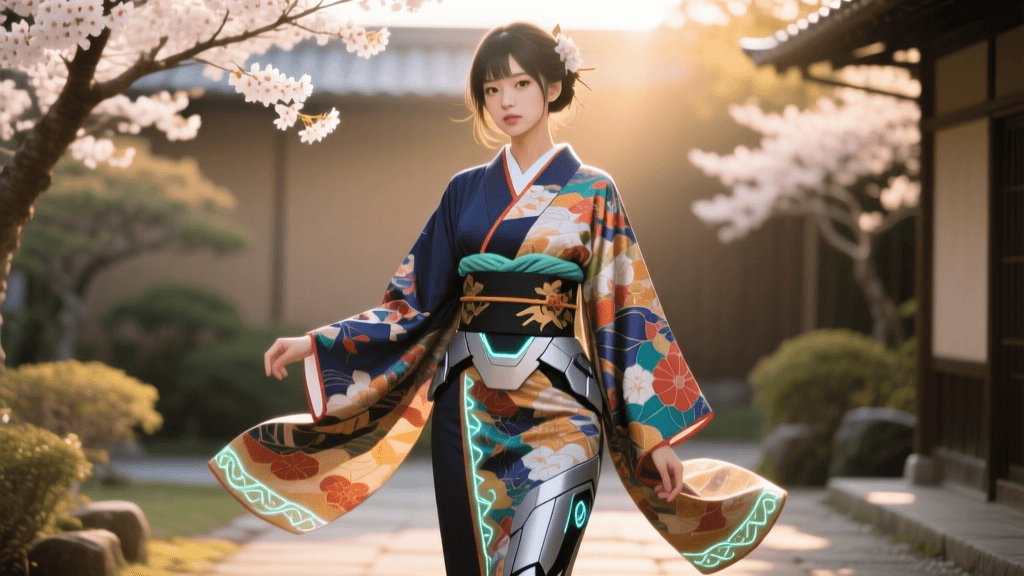
Traditional tabi are split-toe socks worn with zori (straw or vinyl sandals) or geta (wooden clogs). While authentic geta produce the iconic 'clack' associated with anime sound design, they are notoriously painful for walking miles on concrete. Actionable Tip: Invest in rubber-soled tabi boots (known as jikatabi), famously worn by ninja and martial artist characters. For a modern anime streetwear crossover, many cosplayers pair authentic kimono with platform combat boots or chunky sneakers. This 'cyber-wafuku' look bridges the gap between historical tradition and futuristic anime aesthetics.
Hair and Accessories: Kanzashi
Anime characters are often adorned with elaborate hairpins. Traditional kanzashi are crafted from lacquered wood, tortoiseshell, or silk flowers (tsumami). For cosplay, avoid cheap plastic replicas. Instead, source authentic vintage kanzashi from Japanese antique shops or craft your own using stiffened silk and floral wire to ensure they match the exaggerated scale of anime wigs.
Cultural Context and Respectful Styling
As traditional Japanese garments gain global popularity through anime, it is vital to approach wafuku with cultural respect. The Victoria and Albert Museum's Kimono: Kyoto to Catwalk exhibition highlights how the kimono is not a static historical relic, but a dynamic, evolving fashion garment that has continuously absorbed global influences while maintaining its core identity.
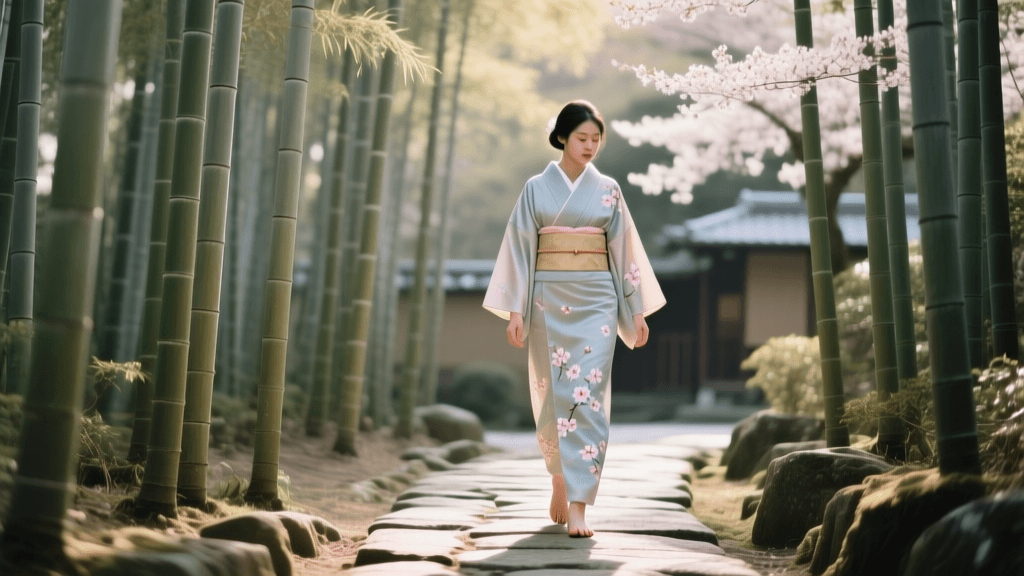
When cosplaying or integrating kimono into your wardrobe, take the time to learn the basic rules of kitsuke. For instance, always wrap the left side of the kimono over the right. Wrapping right-over-left is strictly reserved for dressing the deceased for burial. Furthermore, understanding the seasonality of motifs—such as cherry blossoms for spring or maple leaves for autumn—adds a layer of authenticity that seasoned fans and cultural enthusiasts will deeply appreciate.
As noted by The Metropolitan Museum of Art's Heilbrunn Timeline of Art History, the kimono serves as a profound canvas for personal expression, social status, and artistic innovation. By studying the historical roots of the garments you see in your favorite manga, you elevate your cosplay from a simple costume to a wearable tribute to Japanese textile artistry.
Conclusion
Blending traditional Japanese kimono with anime cosplay is a deeply rewarding endeavor that bridges the gap between pop culture and centuries-old sartorial traditions. By understanding the unique geometry of wafuku measurements, carefully sourcing your fabrics, and adapting traditional accessories for the rigors of modern conventions, you can create breathtaking, culturally resonant fashion. Whether you are recreating a specific beloved character or designing an original anime-inspired streetwear look, the kimono offers an unparalleled canvas for creativity, movement, and storytelling.