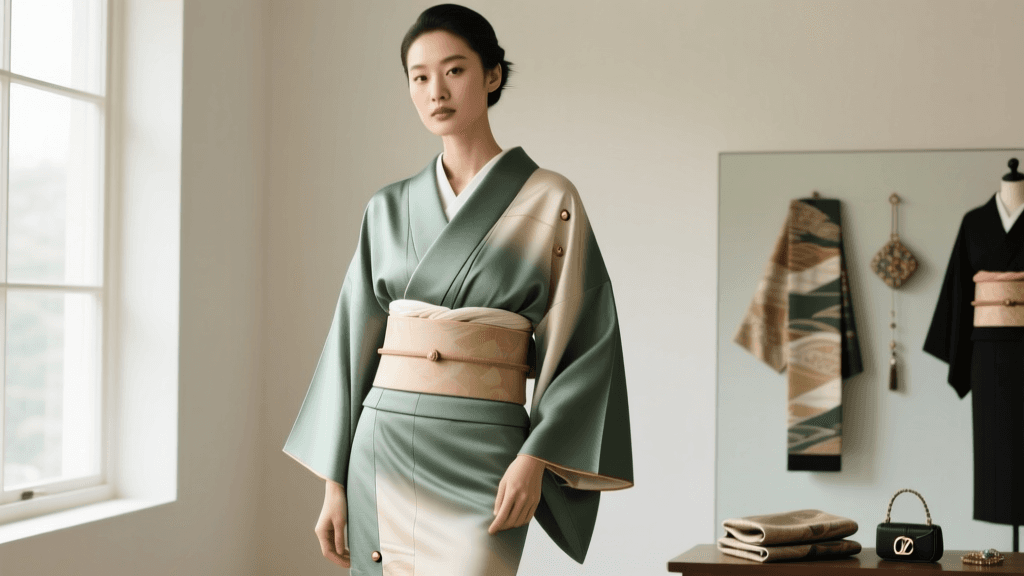
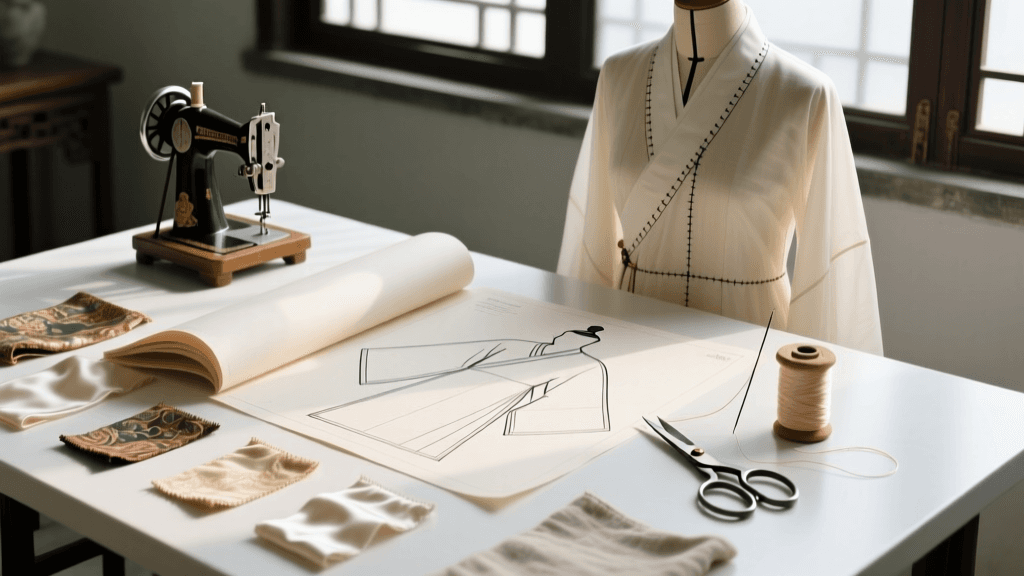
Destination Wedding Kimono: The Ultimate Travel Guide
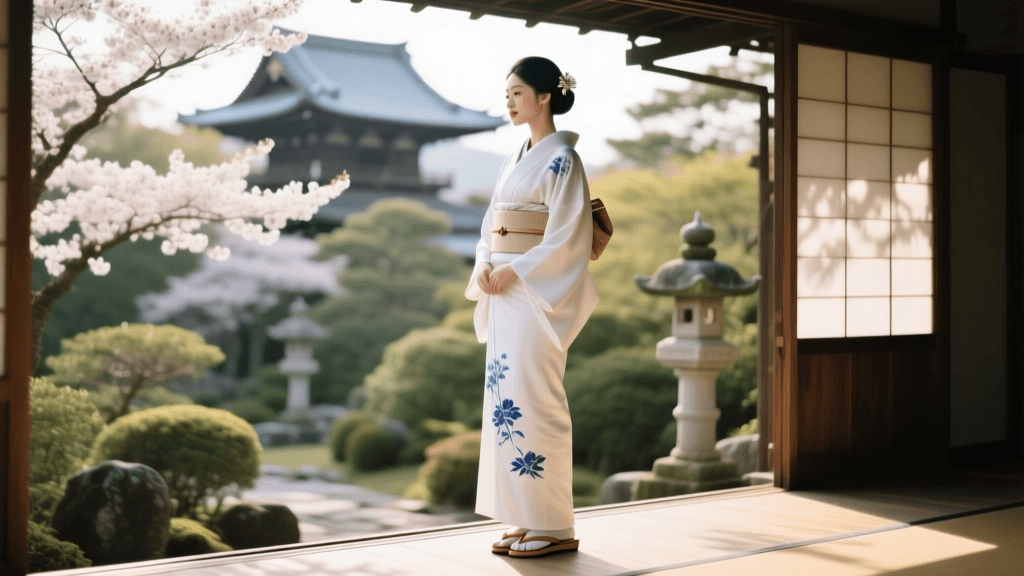
The Allure of the Destination Wedding Kimono
Choosing a traditional Japanese garment for a destination wedding or special milestone event is a profound way to honor cultural heritage while celebrating in a breathtaking global location. Whether you are exchanging vows in a historic Kyoto machiya, hosting a garden ceremony in Hawaii, or taking bridal portraits in a European castle, the kimono offers an unparalleled silhouette and rich symbolism. However, taking traditional Japanese clothing across international borders requires meticulous planning, an understanding of textile care, and logistical foresight.
Unlike Western bridal gowns, which are often packed into a single garment bag and steamed upon arrival, a full kimono ensemble involves multiple delicate layers, precise folding techniques, and specialized dressing methods known as kitsuke. This comprehensive guide will walk you through everything you need to know about planning, packing, and executing a flawless destination wedding in traditional Japanese attire.
Renting vs. Purchasing: A Strategic Comparison
The first major decision for any destination bride or event attendee is whether to rent a kimono locally at your destination or purchase one to travel with. Both approaches have distinct advantages and drawbacks, particularly when factoring in international travel logistics, customs, and the availability of professional dressers.
| Feature | Renting Locally (Destination) | Purchasing & Traveling With |
|---|---|---|
| Estimated Cost | $150 - $600 per day | $500 - $5,000+ (Initial Investment) |
| Convenience | High (Dressing and styling often included) | Low (Requires packing, transit, and DIY dressing) |
| Authenticity | High (Access to local, seasonal inventory) | Variable (Depends on buyer knowledge and sourcing) |
| Customization | Low (Limited to shop stock and availability) | High (Tailored to your exact taste and measurements) |
| Transit Risk | None (No luggage space required) | Moderate (Risk of loss, damage, or wrinkles in transit) |
For couples marrying in Japan, renting from a local Kyoto or Tokyo bridal salon is highly recommended. These salons provide full-service packages that include the garment, accessories, professional hair and makeup, and a licensed kitsuke-shi (kimono dresser). However, if your destination is outside of Japan—such as Italy, the United States, or France—renting authentic, high-quality silk kimono can be exceedingly difficult. In these cases, purchasing a vintage or modern kimono and traveling with it is often the most viable route.
Climate Considerations and Fabric Selection
One of the most critical aspects of wearing a kimono abroad is matching the fabric to the destination's climate. Traditional Japanese clothing is strictly governed by seasonal rules, but when traveling, practical comfort and textile preservation must also be considered. According to insights on traditional Japanese garments from The Metropolitan Museum of Art, the construction and material of a kimono dictate not only its formality but its breathability and thermal properties.
Summer and Tropical Destinations (Hawaii, Southeast Asia, Southern Europe)
If your event takes place during the summer or in a tropical climate, you must opt for natsugi (summer wear). Look for kimono made from ro (silk gauze with a leno weave) or sha (thin, sheer silk). These fabrics are highly breathable and allow air to circulate against the skin. Alternatively, high-quality linen or hemp jofu kimono are excellent for humid environments, as they absorb moisture and dry quickly. Avoid synthetic polyesters at all costs, as they trap heat and can cause severe discomfort in high humidity.
Winter and Temperate Destinations (Northern Europe, North America, Japan in Winter)
For colder climates, you will need an awase (lined kimono). The lining, typically made of lightweight silk or copper-infused thermal fabrics in modern iterations, provides a crucial layer of insulation. To add warmth without ruining the silhouette, brides and guests should invest in specialized kimono undergarments like the hadajuban and nagajuban made from thermal blends, and consider wearing a haori (traditional jacket) or a michiyuki (coat) when moving between outdoor photoshoot locations and heated indoor venues.
The Logistics of Kitsuke (Kimono Dressing) Abroad
The art of kitsuke is complex, and dressing oneself in a formal wedding kimono (such as a shiromuku or uchikake) is nearly impossible. If you are traveling outside of Japan, finding a certified kimono dresser can be a significant hurdle.
Hiring a Local Dresser vs. Bringing One
Major cities with prominent Japanese diasporas—such as Los Angeles, Honolulu, London, and Paris—often have local kimono dressing schools or cultural associations. You can hire a local kitsuke-shi through these networks. If you are marrying in a remote location, some couples choose to fly a professional dresser out from Japan or a major metropolitan hub, though this requires covering their travel, accommodation, and day-rate fees, which can add $2,000 to $5,000 to your budget.
The DIY Travel Dressing Kit
If you are attending a destination event as a guest or opting for a more casual komon kimono, you may choose to dress yourself or have a bridesmaid assist you. You must pack a comprehensive travel dressing kit. As highlighted by the Victoria and Albert Museum's Asian collections, the structural integrity of the kimono relies heavily on its hidden accessories. Your kit must include:
- Koshihimo: At least 4-5 long, thin cotton ties to secure the layers at the waist and chest.
- Datejime: Wide silk or elasticized belts to flatten the ties and create a smooth canvas for the obi.
- Obi-ita: A stiff board inserted into the obi sash to prevent wrinkling.
- Obi-makura: A small pillow used to create the volume and shape of the obi knot (musubi).
- Obijime and Obidome: The decorative cord and clasp that secure the final obi shape.
- Tabi and Zori: Split-toe socks and traditional sandals. (Always pack a pair of comfortable flip-flops for walking to the venue to keep your zori pristine).
Packing, Preservation, and Transit
Packing a silk kimono requires a departure from standard luggage habits. Never fold a kimono using Western folding methods, and never stuff it into a vacuum-sealed bag, as this will crush the silk fibers and set permanent creases.
Instead, use the traditional tatami-gami (folding paper) method. The kimono should be folded along its natural seams into a flat rectangle and wrapped in acid-free tato paper. If you do not have traditional paper, clean, unbleached cotton sheets are an acceptable substitute. Place the wrapped kimono in a dedicated, rigid garment box or a hard-shell carry-on suitcase. Never check your wedding kimono in the hold of an airplane; the risk of lost luggage or extreme temperature fluctuations in the cargo hold is too high.
Pro-Tip: Always pack a few packets of silica gel desiccant inside your kimono storage box. Airplane cabins and tropical destinations can introduce unexpected moisture, and silk is highly susceptible to water spotting and mold if left damp.
Top Global Venues for Kimono Celebrations
When planning a destination wedding in traditional attire, the backdrop is just as important as the garment. Here are three premier global locations that beautifully complement the kimono:
- Kyoto, Japan: The undisputed capital of kimono culture. Venues like the historic shrines of Higashiyama or traditional machiya townhouses offer unparalleled authenticity. For couples considering a domestic Japanese destination, the Japan National Tourism Organization (JNTO) provides extensive resources on registering marriages and booking historic venues.
- Oahu, Hawaii: With its deep historical ties to Japanese immigration, Hawaii boasts stunning Japanese gardens, such as the Byodo-In Temple or the Liliuokalani Japanese Garden. The tropical climate allows for beautiful, lightweight summer kimono and vibrant floral obi pairings.
- Parc Oriental de Maulévrier, France: For a European destination, this expansive Japanese garden in western France provides a stunning, culturally respectful backdrop featuring koi ponds, pagodas, and manicured pines, allowing for striking visual contrasts between European architecture and traditional Japanese textiles.
Budgeting for Your Kimono Destination Event
Integrating a kimono into a destination wedding requires a specialized budget. Below is an estimated cost breakdown for a bride purchasing and traveling with her own mid-tier silk ensemble (costs in USD):
- Vintage/Modern Silk Kimono: $400 - $1,500
- Maru or Fukuro Obi (Formal Sash): $200 - $800
- Accessories (Obijime, Obiage, Zori, Tabi): $150 - $300
- Undergarments (Juban, Koshihimo, Padding): $100 - $250
- Professional Dresser (Local Hire): $200 - $600
- Steaming and Pre-Event Prep: $50 - $150
- Specialized Luggage/Carry Case: $100 - $200
Total Estimated Wardrobe Budget: $1,200 - $3,800
Conclusion
Wearing a kimono for a destination wedding or special event is a deeply rewarding experience that bridges the gap between ancient tradition and modern global celebration. By carefully selecting the right fabric for your climate, mastering the logistics of international packing, and securing a reliable dressing plan, you ensure that your garments remain pristine and your focus remains on the joy of the occasion. Whether you are walking down a stone path in Kyoto or exchanging vows on a tropical beach, the timeless elegance of the kimono will make your destination event truly unforgettable.