Mastering Kimono Etiquette: Formal Dress Codes & Occasion Rules
The Language of Silk: Understanding Kimono Etiquette
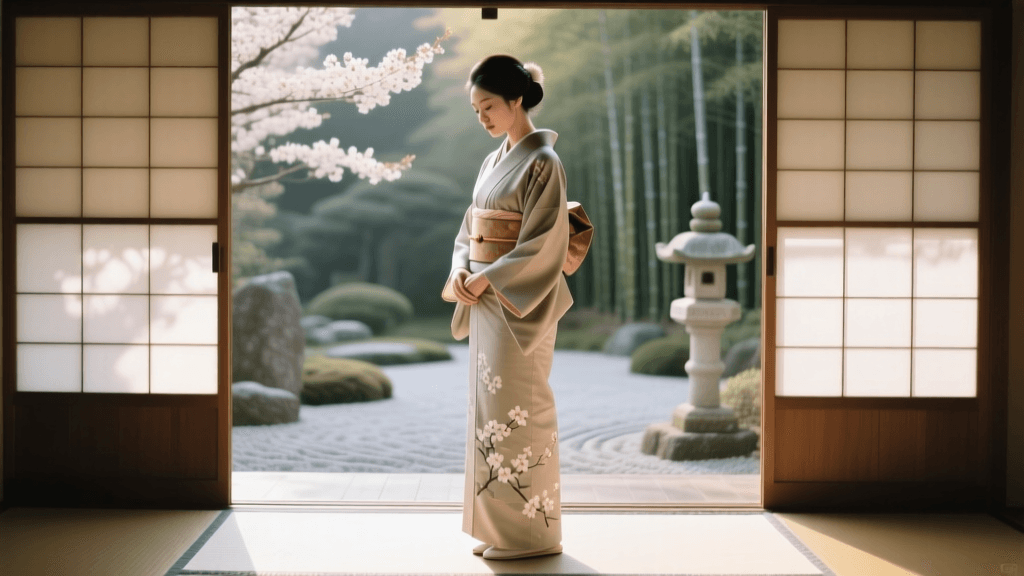
In Japan, traditional clothing is far more than a mere fashion statement; it is a complex, woven language that communicates the wearer's age, marital status, the season, and the specific nature of the event they are attending. Navigating the world of kimono requires an understanding of the TPO principle—Time, Place, and Occasion. As noted by the Victoria and Albert Museum, the kimono is a deeply symbolic garment where every fold, pattern, and accessory carries historical and social weight. Whether you are attending a traditional Japanese wedding, participating in a tea ceremony, or simply enjoying a summer festival, adhering to kimono etiquette is a sign of profound respect for the culture and the host.
The Golden Rules of Wearing: Left Over Right and the Nape Gap
Before diving into specific garment types, one must master the foundational rules of dressing. The most critical and non-negotiable rule of kimono etiquette is the wrapping direction: always wrap the left side over the right side. Wrapping right over left is strictly reserved for dressing the deceased for burial. Getting this wrong is considered a severe faux pas and highly disrespectful.
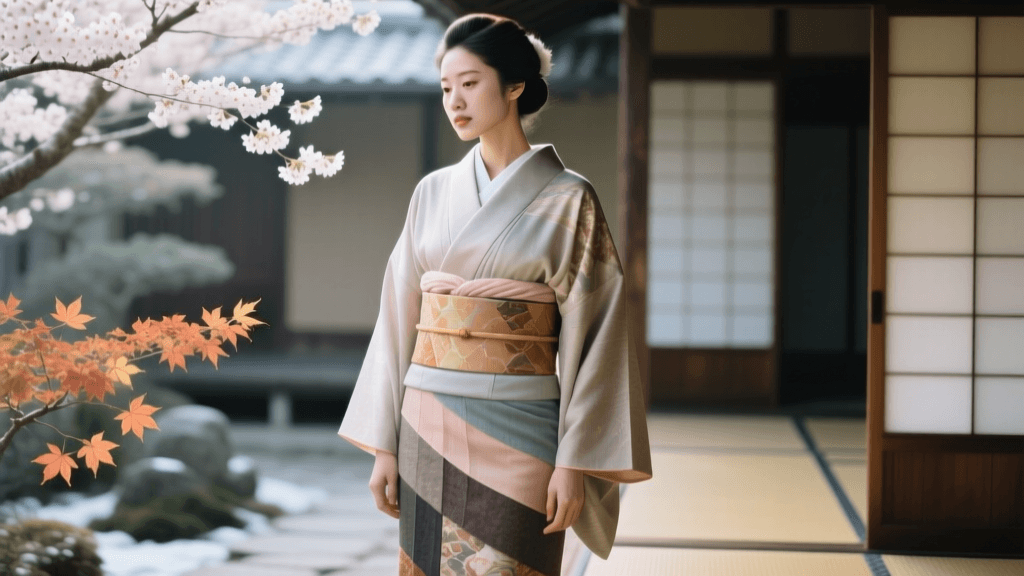
Equally important is the nuki (the gap at the nape of the neck). When dressing formally, the collar must be pulled back to expose the nape, traditionally allowing enough space to fit one clenched fist between the collar and the wearer's neck. This elegant swoop, known as nukiate, is considered a hallmark of feminine grace and proper formal dressing in Japanese aesthetics. Conversely, casual wear like the summer yukata features a much tighter, higher collar with little to no nape gap.
Women's Formality Hierarchy: Decoding the Sleeves and Crests
Women's kimono formality is primarily dictated by sleeve length, fabric type, pattern placement, and the number of family crests (mon) adorning the garment.
1. Kurotomesode (Black Crested Kimono)
The pinnacle of formal wear for married women, the kurotomesode is a black silk kimono featuring patterns only below the waistline and adorned with five family crests (itsutsu-mon). It is exclusively worn by the mothers and close married female relatives of the bride and groom at weddings. It is paired with a luxurious gold or silver fukuro obi and white accessories.
2. Furisode (Swinging Sleeves)
The most formal kimono for young, unmarried women. The defining feature is the exceptionally long sleeves, which can range from 75cm (ko-furisode) to an impressive 114cm (oh-furisode). Historically, the swinging sleeves were believed to ward off evil spirits and express emotions. Today, furisode are the standard attire for Seijin-no-Hi (Coming-of-Age Day) and are worn by unmarried female guests at weddings.
3. Homongi (Visiting Wear)
A versatile, highly formal kimono suitable for both married and unmarried women. The homongi features an eba pattern—a continuous design that flows seamlessly across the seams when the kimono is laid flat. It typically bears one to three crests and is the go-to choice for formal tea ceremonies, upscale dinner parties, and attending weddings as a guest.
4. Iromuji and Tsukesage (Semi-Formal)
The iromuji is a solid-colored silk kimono (excluding black) that can be elevated to semi-formal status by adding a crest, making it perfect for tea ceremonies. The tsukesage features patterns that are dyed onto the fabric before cutting, ensuring the motifs do not cross the seams, placing it slightly below the homongi in formality but ideal for graduation ceremonies and formal dinners.
5. Komon and Yukata (Casual)
Komon features small, repeating patterns all over the fabric and is suitable for casual outings, shopping, or informal dinners. The yukata is a lightweight, unlined cotton garment worn during summer festivals (matsuri) and at hot spring resorts. It is the only kimono worn without tabi (split-toe socks).
TPO Kimono Formality Chart
To help visualize the strict hierarchy of Japanese dress codes, refer to the following data table mapping occasions to the appropriate garments and accessories.
| Occasion | Formality Level | Primary Kimono Type | Obi Style | Footwear & Accessories |
|---|---|---|---|---|
| Wedding (Mother of Bride/Groom) | Ultra-Formal | Kurotomesode (5 crests) | Fukuro Obi (Brocade) | White Tabi, Gold/Silver Zori |
| Coming-of-Age Ceremony | Ultra-Formal | Furisode (Long sleeves) | Fukuro Obi (Elaborate knot) | White Tabi, Brocade Zori |
| Formal Tea Ceremony | Formal / Semi-Formal | Homongi or Iromuji (1-3 crests) | Fukuro or Nagoya Obi | White Tabi, Tatami-friendly Zori |
| University Graduation | Semi-Formal | Furisode or Hakama set | Hanhaba or Fukuro Obi | Tabi, Lace-up Boots or Zori |
| Theater, Dinner, Art Gallery | Semi-Formal / Smart Casual | Tsukesage or Edo Komon | Nagoya Obi | Colored Tabi, Leather Zori |
| Summer Festival (Matsuri) | Casual | Yukata (Cotton) | Hanhaba Obi (Half-width) | Bare feet in Geta (Wooden clogs) |
Men's Kimono Etiquette: Understated Elegance
While women's kimono rules are highly visual and varied, men's kimono etiquette is characterized by understated elegance and strict adherence to fabric quality and crests. The most formal attire for men is the Montsuki Haori Hakama. This ensemble consists of a plain black silk kimono bearing five crests, a matching haori (jacket), and striped hakama (pleated trousers). It is worn by grooms at weddings and men participating in highly formal ceremonies.
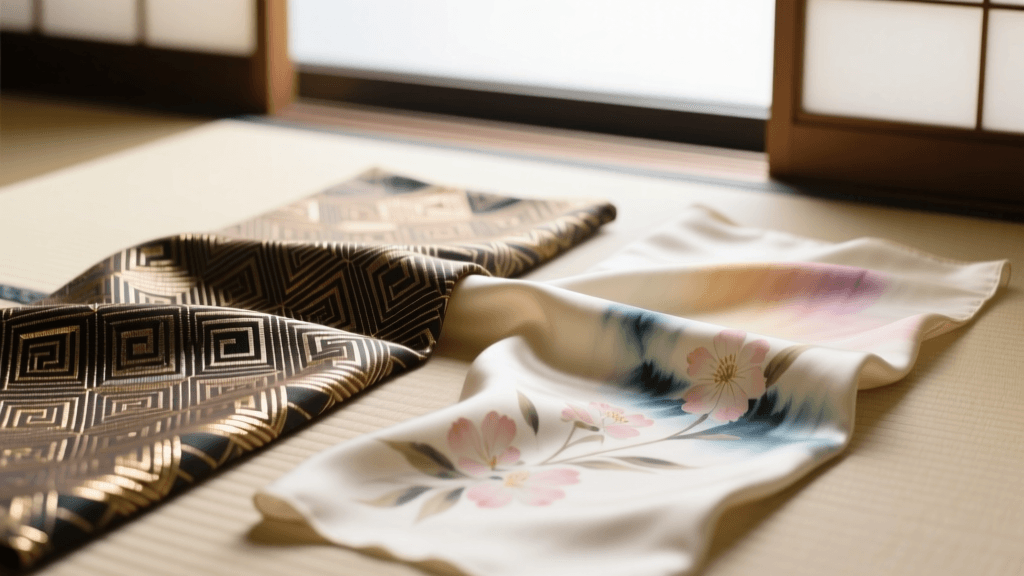
For semi-formal occasions, men wear Omeshi (a high-quality, pre-shrunk silk crepe) or Tsumugi (pongee silk). Interestingly, while Tsumugi is incredibly expensive and requires immense artisanal skill to produce, its rustic, matte texture historically relegated it to casual or daily wear under strict Edo-period sumptuary laws. Today, it remains a sophisticated choice for casual outings, but it is never appropriate for formal events like weddings, regardless of its cost. According to the Japan National Tourism Organization, understanding these historical nuances is key to appreciating the depth of Japanese textile traditions.
Essential Accessories: Obi, Tabi, and Zori
The kimono is only half the equation; the accessories dictate the final formality.
- The Obi: The Fukuro obi is the standard for formal wear, measuring roughly 31cm wide and 4.5 meters long, often woven with gold and silver threads. The Nagoya obi is pre-folded and stitched for easier tying, suitable for semi-formal and casual wear. The Hanhaba obi is a narrow, casual belt used exclusively with yukata or children's kimono.
- Tabi: Split-toe socks are mandatory for all formal and semi-formal occasions. White tabi are the strict standard for formal wear, while colored or patterned tabi can be worn with casual komon to add a playful touch.
- Zori and Geta: Zori are flat, formal sandals made of brocade, leather, or vinyl, worn with tabi. Geta are elevated wooden clogs worn casually, primarily with yukata.
Seasonality (Kisetsukan): Dressing Ahead of the Calendar
Japanese aesthetics place a heavy emphasis on the seasons. Kimono seasonality is governed by two rules: structural lining and motif selection.
Structurally, from October to May, women wear awase (lined kimono). In the transitional months of June and September, they switch to hitoe (unlined, single-layer silk). During the peak heat of July and August, usumono (sheer, gauze-like fabrics like ro and sha) are worn to provide visual and physical coolness.
Motif selection follows the rule of sakidori (anticipation). One should wear patterns that represent the season just before it fully arrives. For example, cherry blossom motifs are worn in late March to anticipate the April blooms. Wearing a cherry blossom pattern after the flowers have fallen is considered out of touch and a breach of etiquette.
Practical Advice: Renting vs. Buying
For visitors to Japan or those attending a single formal event, renting is a highly practical and culturally accepted option. In cities like Kyoto and Tokyo, a full furisode or homongi rental package—including professional dressing, hair styling, and accessories—typically costs between ¥15,000 and ¥30,000 ($100 to $200 USD). Purchasing a bespoke, high-quality silk homongi with a matching fukuro obi can easily exceed ¥500,000 ($3,500 USD) and requires specialized knowledge for long-term storage and cleaning.
"The kimono is not merely a garment to be worn; it is an environment to be inhabited. Every rule of etiquette, from the fold of the collar to the seasonal motif, is designed to harmonize the wearer with their surroundings and the society they engage with."
Conclusion
Mastering kimono etiquette is a lifelong journey of learning, observation, and appreciation. While the rules of TPO, crest placement, and sleeve length may seem daunting to the uninitiated, they are ultimately guidelines designed to foster harmony, respect, and beauty. By taking the time to understand the dress codes and formal occasion rules, you do more than just wear a beautiful garment; you participate in a living, breathing tradition that has shaped Japanese culture for centuries.