Mastering Kimono Layering: Seasonal Rules & Dressing Techniques
The Philosophy of Kisetsukan in Japanese Dress
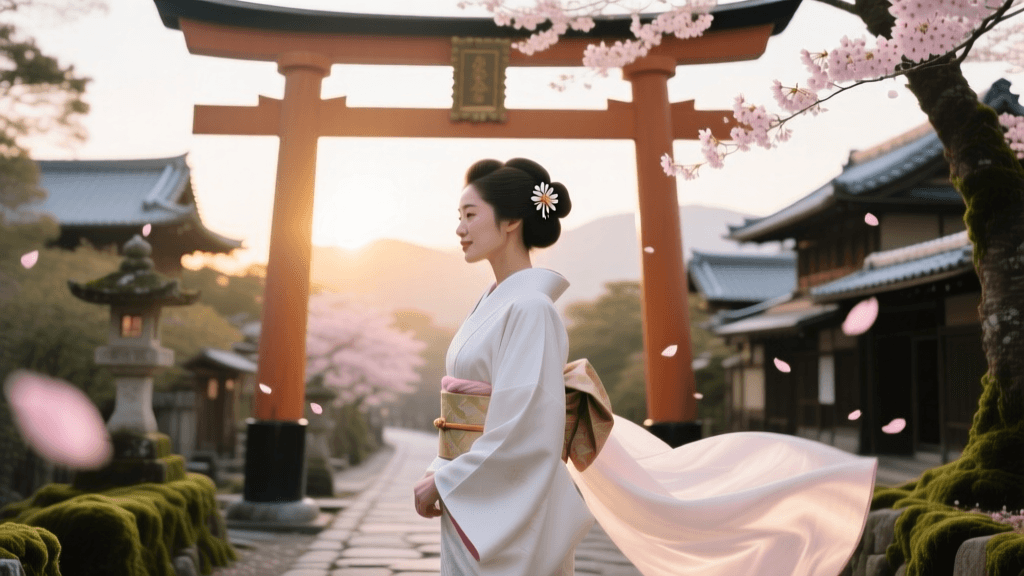
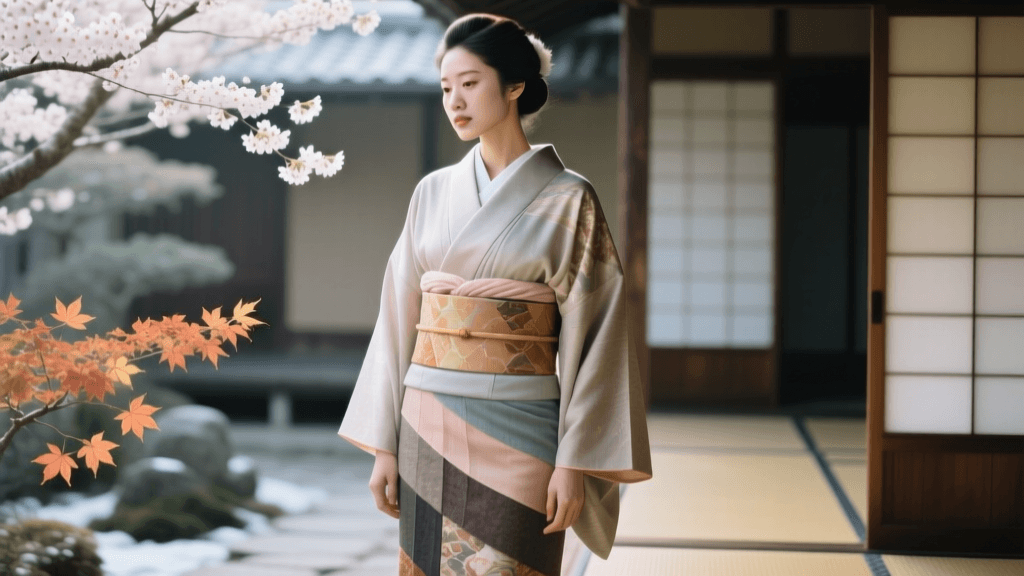
In the intricate world of traditional Japanese clothing, the concept of kisetsukan (seasonal feeling) is paramount. Unlike Western fashion, which often prioritizes arbitrary seasonal trends, the kimono is deeply tethered to the natural world and the precise shifting of the calendar. Wearing the correct garment, utilizing the proper layering techniques, and selecting appropriate motifs are not merely matters of comfort; they are profound expressions of cultural respect and aesthetic harmony. According to the Metropolitan Museum of Art, the kimono's structure and decoration have historically served as a canvas for reflecting the wearer's awareness of nature and the passing of time. Mastering seasonal kimono layering requires an understanding of fabric weights, undergarment transitions, and the subtle art of color placement.
The Three Pillars of Seasonal Kimono Wear
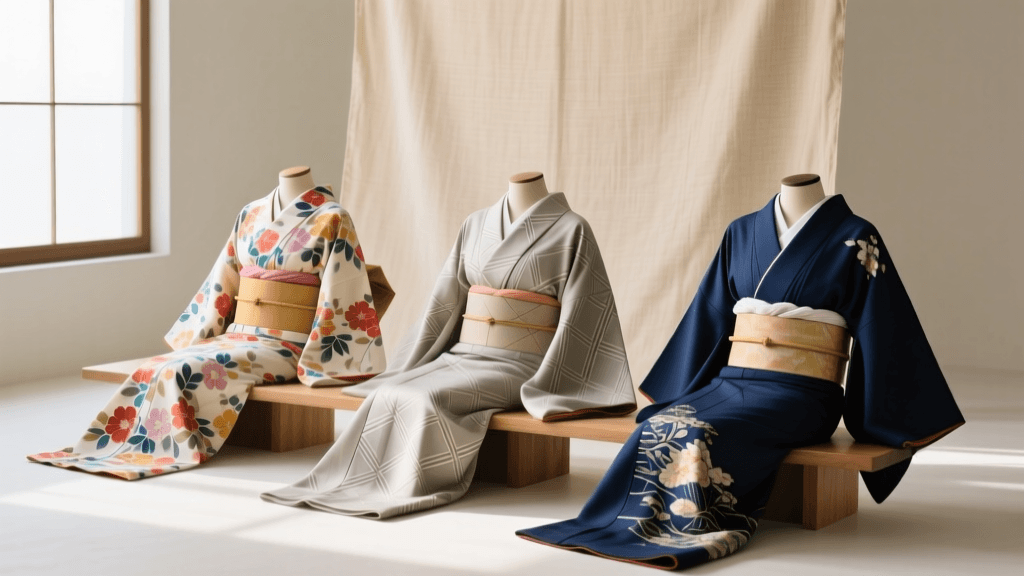
The Japanese kimono wardrobe is broadly divided into three main categories based on the lining and weave of the fabric. Transitioning between these categories follows a strict, albeit gently enforced, calendar that aligns with Japan's distinct four seasons.
1. Awase (Lined Kimono)
Worn from October 1st through May 31st, the awase is a fully lined kimono. The lining, typically made of lightweight silk or breathable synthetic blends, provides insulation during the cooler autumn, winter, and early spring months. The outer fabric can range from heavy crepe (chirimen) to woven silk (tsumugi). The presence of the lining gives the garment a distinct weight and drape, which is essential for the formal silhouettes required in colder months.
2. Hitoe (Unlined Kimono)
The hitoe is the transitional garment of the kimono world, worn exclusively during the months of June and September. It is constructed from a single layer of fabric without any inner lining. The seams are finished with intricate interior folding techniques to ensure the inside looks as immaculate as the outside. Wearing a hitoe in July is considered a sartorial faux pas, as it is too warm for peak summer, yet too cool for the sheer fabrics of midsummer.
3. Usuhimono / Natsugoromo (Summer Sheer Kimono)
From July 1st to August 31st, the rules of opacity are abandoned in favor of breathability. Summer kimonos are woven using specialized techniques like ro (leno weave with alternating twisted warp threads creating horizontal stripes of open gaps) and sha (a lighter, more uniform gauze weave). These sheer fabrics allow air to circulate freely against the body, providing a cooling effect in Japan's notoriously humid summers.
Seasonal Kimono Transition Guide
The following table outlines the practical transitions required for a complete seasonal wardrobe, including estimated costs for modern practitioners sourcing garments today.
| Season / Months | Kimono Type | Fabric / Weave | Undergarment (Juban) | Estimated Cost (USD) |
|---|---|---|---|---|
| Oct - May (Cool/Cold) | Awase (Lined) | Chirimen, Omeshi, Tsumugi | Lined Silk/Poly Nagajuban | $150 - $1,200+ |
| June & Sept (Transitional) | Hitoe (Unlined) | Unlined Silk, Ro-Komon | Unlined Nagajuban | $100 - $800 |
| July - Aug (Hot/Humid) | Natsugoromo (Sheer) | Ro, Sha, Ra (Gauze/Leno) | Ro/Sha Juban or Hanjuban | $80 - $900 |
Dressing Techniques: Adapting the Foundation
The Victoria and Albert Museum notes that the foundation of the kimono silhouette relies entirely on the undergarments and the binding techniques used during dressing (kitsuke). As the outer layers change with the seasons, so too must the foundation.
Summer Dressing: Maximizing Airflow
Dressing for a Japanese summer requires strategic minimalism. The traditional full-length under-kimono (nagajuban) is often swapped for a two-piece system: a hanjuban (half-juban covering only the torso and arms) paired with a susoyoke (a wrap skirt for the lower half). This reduces fabric bulk around the waist and hips, preventing overheating.
- The Koshi-Himo Technique: In summer, the cotton waist ties (koshi-himo) should be tied slightly higher on the ribcage and with a gentler tension. This creates a subtle gap between the kimono fabric and the lower back, allowing hot air to escape upwards through the collar.
- Cooling Accessories: Modern kitsuke often incorporates specialized cooling mesh panels (cooling innerwear) worn beneath the hanjuban to wick sweat away from the delicate silk outer layers.
Winter Dressing: Insulation and Layering
Winter dressing focuses on trapping heat without disrupting the cylindrical silhouette of the kimono. Bulkiness is the enemy of elegant kitsuke.
- The Hiyoku: For highly formal winter occasions, a hiyoku (a false under-layer) is attached to the hem and collar of the awase kimono. This gives the illusion of wearing multiple layered kimonos, providing both visual depth and physical warmth at the extremities.
- Date-Jime Placement: The wide under-obi sash (date-jime) should be tied firmly but evenly to secure the heavy winter fabrics. A wool or padded date-jime can be used to add a layer of insulation directly over the vital organs.
Kasane no Irome: The Art of Color Layering
Perhaps the most poetic aspect of seasonal dressing is Kasane no Irome, the traditional layering of colors. Originating in the Heian period (794–1185), court ladies would wear up to twelve unlined silk layers (juni-hitoe), with the colors of the sleeves and hems carefully coordinated to reflect specific seasonal phenomena, such as 'plum blossoms under snow' or 'autumn leaves over water'.
While modern dressing rarely involves more than two visible layers, the spirit of Kasane no Irome survives through the use of the date-eri (a decorative false collar) and the han-eri (the detachable collar of the under-kimono). By selecting a han-eri in a soft spring pink and a date-eri in a deep autumnal burgundy, a wearer can subtly evoke the transition of seasons at the neckline, the most visually scrutinized area of the kimono.
Essential Measurements and Dressing Tools
To execute seasonal dressing techniques flawlessly, specific tools and measurements are required. Maintaining a well-stocked kitsuke kit ensures you can adapt to any climate.
- Koshi-Himo (Waist Ties): Standard length is 110cm with a width of 4cm. For summer, use highly breathable cotton or specialized mesh ties to prevent sweat accumulation.
- Eri-Shin (Collar Stay): A rigid plastic insert (approx. 90cm long) placed inside the han-eri. In winter, the thick fabrics can cause the collar to warp; the eri-shin ensures a crisp, clean neckline regardless of the outer fabric's weight.
- Obi-Ita (Obi Board): A stiff board placed inside the obi sash. In summer, use a perforated or mesh obi-ita to allow airflow to the lower back; in winter, a solid felt-backed board provides structure to heavy brocade obis.
Sourcing and Budgeting for a Seasonal Wardrobe
Building a complete seasonal wardrobe can be daunting, but the thriving market for vintage kimono (recycle shops) makes it highly accessible. A high-quality vintage silk awase can often be purchased for under $100, while a pristine, modern summer ro kimono from a specialized weaver in regions like Niigata or Kyoto may cost upwards of $1,500. For beginners, investing in a versatile hitoe made of washable polyester is a cost-effective way to practice transitional dressing without the fear of damaging delicate vintage silks during the humid months.
Conclusion
Mastering the seasonal wear and dressing techniques of the kimono is a lifelong journey of observation and practice. It demands an acute awareness of the calendar, a respect for traditional craftsmanship, and a practical understanding of textile behavior. Whether you are adjusting the tension of your koshi-himo to catch a summer breeze or carefully selecting a kasane collar to reflect the first frost of winter, the kimono remains a living, breathing dialogue between the wearer and the natural world.