Destination Kimono Weddings in Kyoto: Costs and Logistics
The Allure of a Traditional Japanese Destination Wedding
For couples seeking a wedding steeped in profound cultural heritage, breathtaking aesthetics, and meticulous craftsmanship, a destination wedding in Japan is an unparalleled choice. Kyoto, the ancient imperial capital, stands as the epicenter of traditional Japanese arts, making it the most coveted location for a Shinto or Buddhist wedding ceremony. Exchanging vows in a centuries-old shrine or a serene temple garden while adorned in authentic silk kimono is a transformative experience. However, executing a destination kimono wedding requires navigating unique logistical challenges, understanding complex garment structures, and respecting sacred venue etiquette. This comprehensive guide provides actionable advice on planning, styling, and budgeting for your traditional Japanese wedding.
Understanding Traditional Japanese Wedding Attire
The cornerstone of a Japanese wedding is the bridal attire, which is far more intricate than a standard Western wedding gown. Brides typically choose between two primary styles of formal kimono, each carrying deep historical and symbolic weight. According to the Victoria and Albert Museum's extensive research on kimono history, the evolution of these garments reflects centuries of shifting social customs, textile innovations, and aesthetic philosophies in Japan.
Shiromuku: The Pure White Ensemble
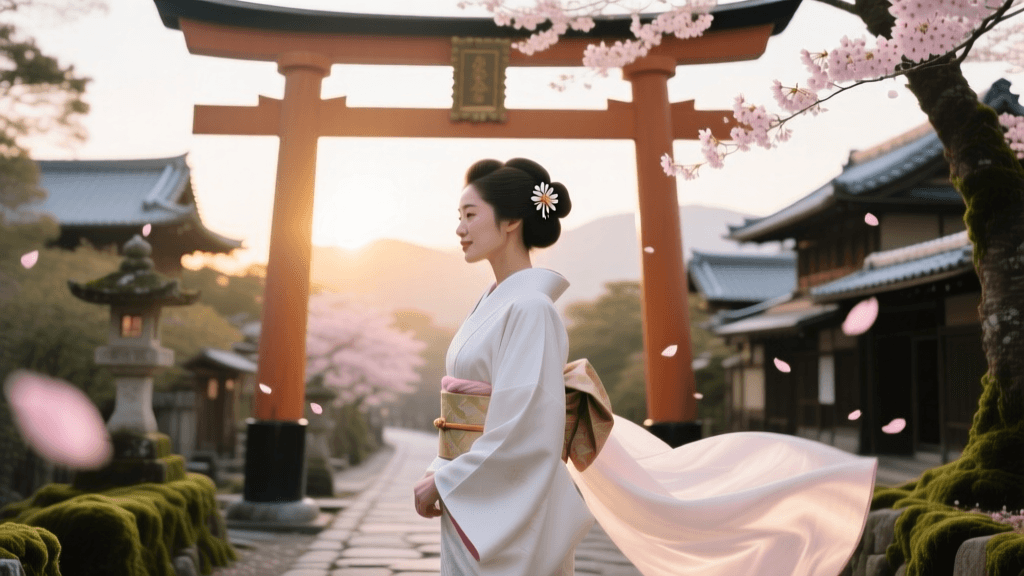
The shiromuku is the most formal wedding kimono, characterized by its pure white color. Historically, white symbolizes purity, maidenhood, and the bride's willingness to be 'dyed' in the colors and traditions of her new family. The ensemble includes the white kimono, a white uchikake (over-robe), and a white obi (sash). It is traditionally paired with a wataboshi (a white silk hood) or a tsunokakushi (a 'horn-hiding' band), which symbolizes the bride's resolve to hide any jealous or selfish 'horns' and become a gentle, obedient wife.
Iro-Uchikake: The Vibrant Over-Robe
Many modern brides opt for the iro-uchikake, a heavily padded, brightly colored over-robe worn over a base kimono. These robes are masterpieces of textile art, often featuring elaborate yuzen dyeing, gold leaf application, and intricate embroidery. Common motifs include cranes (longevity), pine, bamboo, and plum blossoms (resilience and the 'Three Friends of Winter'), and peonies (wealth and honor). The iro-uchikake is typically worn during the reception or for post-ceremony photography, offering a striking visual contrast to the solemnity of the white shiromuku.
Attire Comparison Chart
| Feature | Shiromuku | Iro-Uchikake |
|---|---|---|
| Primary Color | Pure White | Red, Gold, Black, or Pastel |
| Symbolism | Purity, new beginnings, obedience | Celebration, prosperity, joy |
| When Worn | Shinto shrine ceremony | Reception, photo shoots, temple ceremonies |
| Headpiece | Wataboshi or Tsunokakushi | Floral Kanzashi or decorative combs |
| Weight | Heavy (approx. 4-5 kg) | Very Heavy (approx. 5-7 kg due to padding) |
Step-by-Step Timeline for a Kyoto Destination Wedding
Planning a wedding abroad requires a generous lead time, especially when coordinating with traditional Japanese artisans and venues. Here is a practical timeline to ensure a seamless experience.
12 to 10 Months Prior: Venue Selection and Booking
Kyoto's premier venues, such as the Kamigamo Shrine, Shimogamo Shrine, or the Buddhist temples of Daitoku-ji, book up rapidly. You must decide between a Shinto ceremony (shinzen shiki), which involves sake-sharing rituals (san-san-kudo), or a Buddhist or secular garden ceremony. Consult the Kyoto City Official Travel Guide for verified venue listings, seasonal considerations, and local regulations regarding foreign wedding parties.
8 to 6 Months Prior: Kimono Sourcing and Fittings
Decide whether to rent or purchase. Renting is highly recommended for destination weddings due to the exorbitant costs of purchasing authentic silk and the logistical nightmare of international shipping and climate-controlled storage. Top bridal kimono rental shops in Kyoto offer English-speaking consultants. You will need to provide precise measurements: height, hip circumference, arm span (yuki), and foot size for the tabi socks. Because kimono are wrapped and folded rather than tailored to the body, standard sizes can accommodate a wide range of body types through strategic padding.
3 Months Prior: Hair, Makeup, and Photography
Book a kitsuke (kimono dressing) artist and a hair stylist who specializes in traditional Japanese updos (nihongami). Secure a photographer who understands how to shoot heavy, structured garments; the stiff collar and wide obi require specific posing to highlight the textile patterns without distorting the silhouette.
The Kitsuke Process: What to Expect on the Big Day
Dressing in a formal wedding kimono is an architectural endeavor. The kitsuke process takes between 1.5 to 2.5 hours and requires the bride to stand still while the dresser constructs the silhouette.
- Foundation and Padding: The traditional kimono silhouette is cylindrical, designed to hide the natural curves of the body. The dresser will use specialized towels and hip pads (himoko) to fill in the small of the back, the hips, and the chest, creating a smooth, tube-like foundation.
- Undergarments: A hadajuban (undershirt) and susoyoke (wrap skirt) are put on first, followed by the nagajuban (a robe that protects the outer silk from sweat and oils).
- The Outer Robe and Obi: The shiromuku or uchikake is draped and aligned. The hem is adjusted so it trails slightly on the floor (for photos) or is tied up at the waist for walking. The fukuro obi (a heavy, brocade sash) is then tied. For brides, the obi is often tied in the front or in a massive, decorative back knot called a fukura-suzume (puffed sparrow), which requires a wire frame and extensive padding to support its weight.
Navigating Shrine and Temple Rules in Kyoto
When hosting a ceremony in a sacred space, strict etiquette must be observed. The Japan National Tourism Organization (JNTO) emphasizes the importance of respecting local customs when participating in traditional Japanese events. At Shinto shrines, you must never step directly on the threshold of the torii gates or the main hall doors; always step over them. Flash photography is almost universally prohibited inside the main worship halls (honden). Furthermore, the trailing hem of the uchikake can easily sweep up dirt and gravel from shrine pathways. Many rental shops provide a special hem-tie (ohashori clip) to temporarily lift the robe while walking between locations.
Budgeting for a Destination Kimono Wedding
Understanding the costs involved is crucial for financial planning. Below is an estimated budget breakdown for a mid-tier destination wedding package in Kyoto for the bride, excluding flights and accommodation. Prices are approximate and subject to seasonal fluctuations and exchange rates.
| Item / Service | Estimated Cost (JPY) | Estimated Cost (USD) |
|---|---|---|
| Shrine Ceremony Fee (Donation) | ¥100,000 - ¥150,000 | $650 - $1,000 |
| Bridal Kimono Rental (Shiromuku + Uchikake) | ¥200,000 - ¥350,000 | $1,300 - $2,300 |
| Kitsuke, Hair, and Makeup Artist | ¥80,000 - ¥120,000 | $520 - $780 |
| Professional Photographer (4 Hours) | ¥150,000 - ¥250,000 | $1,000 - $1,600 |
| Wedding Planner / Coordinator Fee | ¥150,000 - ¥200,000 | $1,000 - $1,300 |
| Total Estimated Bridal Package | ¥680,000 - ¥1,070,000 | $4,470 - $6,980 |
Expert Tips for Comfort and Photography
Wearing a 15-pound silk ensemble while navigating the gravel paths of Kyoto requires specific physical techniques. To move gracefully and avoid tripping, brides must practice suriashi—a sliding walk where the feet never fully leave the ground. Keep your knees close together and take small, deliberate steps. When posing for photographs, avoid sharp, angular movements. The stiff collar (eri) of the kimono frames the face beautifully, but turning your head too sharply can cause the collar to gap away from the neck, which is considered aesthetically displeasing in traditional styling. Instead, turn your entire torso slowly to maintain the pristine, structured lines of the garment.
'The beauty of the wedding kimono lies not just in the silk, but in the posture of the wearer. The garment demands a quiet dignity, a slowing down of time, and a deep respect for the artisans who spent hundreds of hours weaving and dyeing the fabric. When a bride embraces the physical restrictions of the kimono, she unlocks its true elegance.' — Master Kitsuke Artist, Kyoto.
By carefully planning your timeline, respecting the sacred venues, and understanding the intricate mechanics of the kitsuke process, your destination kimono wedding in Kyoto will be a profoundly beautiful and culturally authentic celebration of love.