The Ultimate Wafu Cosplay Guide for Anime Conventions
Introduction to Wafu Cosplay
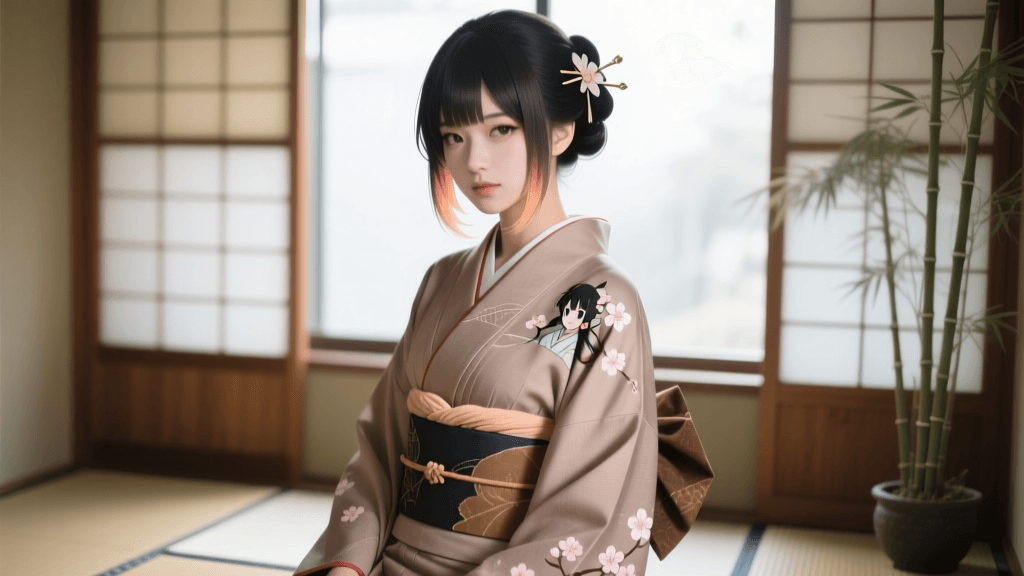
The intersection of traditional Japanese clothing and modern pop culture has given rise to one of the most visually striking and culturally rich subgenres of costuming: Wafu (和風) cosplay. Unlike standard cosplay, which often relies on synthetic, mass-produced costume fabrics, wafu cosplay incorporates authentic or high-quality reproduction traditional garments—such as kimono, yukata, hakama, and haori—to bring two-dimensional anime characters into the three-dimensional world. Whether you are recreating the iconic checkered haori of Tanjiro Kamado from Demon Slayer, the wandering samurai attire of Kenshin Himura, or the intricate shrine maiden robes seen in countless supernatural anime, mastering wafu cosplay requires an understanding of traditional Japanese tailoring, layering, and cultural etiquette.
According to the Tokyo Official Travel Guide, districts like Ikebukuro and Akihabara have become global epicenters for anime and cosplay culture, where traditional wafu elements frequently blend with modern street fashion and character design. For international cosplayers attending conventions, wearing authentic garments not only elevates the visual accuracy of a costume but also provides a deeper connection to the historical roots of the character's design.
Understanding the Base Garments
To build an accurate wafu cosplay, you must first understand the foundational garments used in traditional Japanese dress. Anime character designers heavily rely on the silhouettes of these specific items to convey a character's social status, occupation, or combat style.
Yukata vs. Kimono
The yukata is a casual, unlined summer garment typically made of cotton or lightweight synthetic blends. It is ideal for cosplaying characters in relaxed, slice-of-life settings or summer festival scenes. Because it lacks the heavy lining and complex undergarments of a formal kimono, it offers high mobility and is much cooler for crowded convention halls.
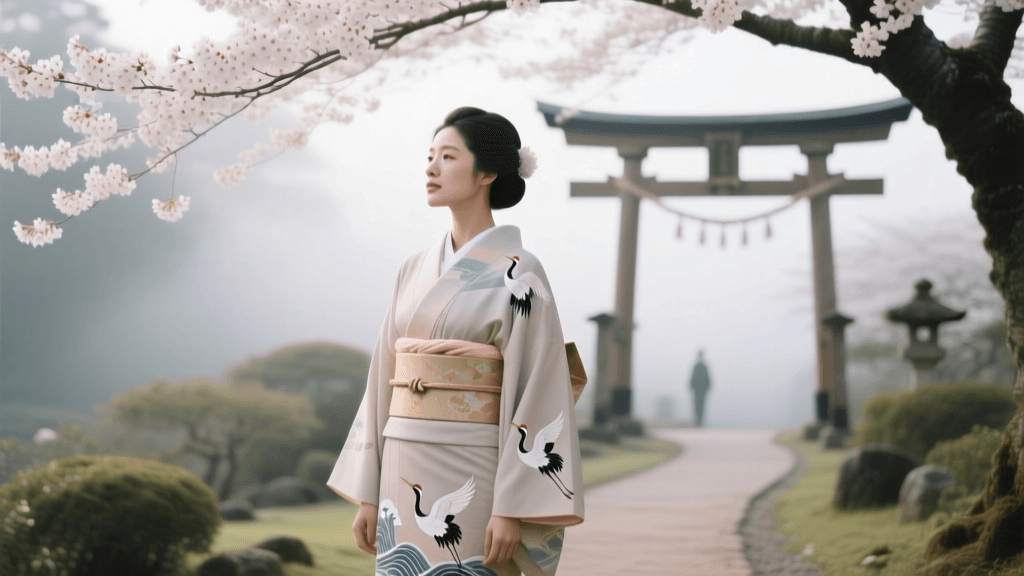
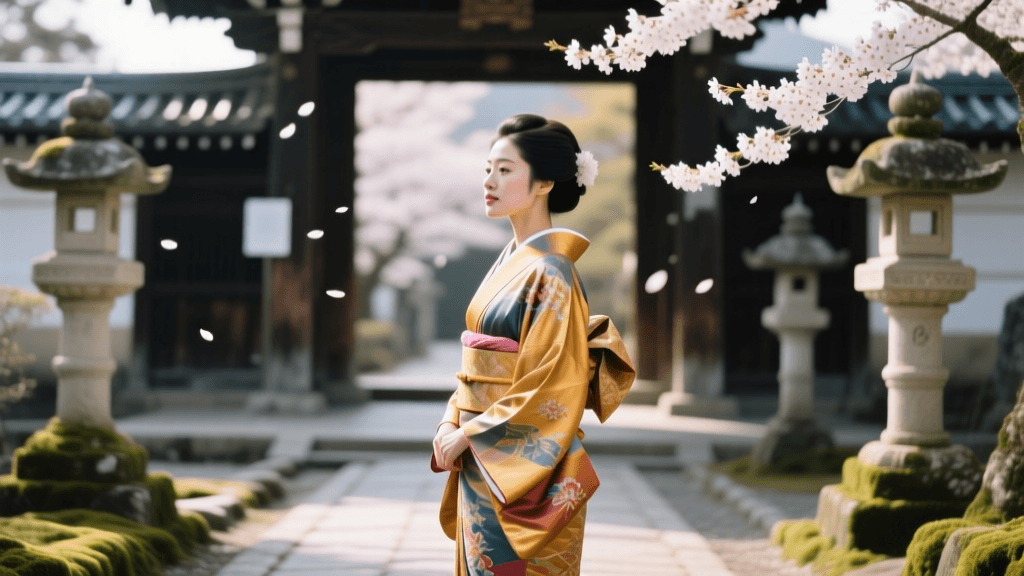
The kimono, conversely, is a formal, multi-layered garment traditionally made of silk (though polyester reproductions are common for cosplay). It requires a specific undergarment system called nagajuban and is secured with a wide, stiff sash known as an obi. Kimono are best suited for noble characters, wealthy aristocrats, or formal ceremonial anime scenes.
Hakama and Haori
The hakama is a pleated, divided skirt (umanori) or undivided skirt (andon) worn over the kimono. It is the quintessential garment for samurai, martial artists, and shrine maidens (miko). The haori is a hip- or thigh-length jacket worn open over the kimono, often featuring family crests (kamon) or bold, character-specific patterns like the ichimatsu (checkerboard) design popularized by modern shonen anime.
Garment Comparison Chart for Cosplayers
| Garment Type | Primary Material | Average Cost (USD) | Best Anime Archetype | Mobility Score (1-10) |
|---|---|---|---|---|
| Yukata | Cotton / Poly-blend | $30 - $80 | Slice-of-Life, Festival Goer | 8 |
| Kimono (Standard) | Silk / Crepe Polyester | $80 - $250 | Nobility, Geisha, Mages | 5 |
| Hakama (Pleated) | Polyester / Rayon | $40 - $120 | Samurai, Shinigami, Miko | 9 |
| Haori (Jacket) | Silk / Jacquard | $50 - $150 | Demon Slayers, Wandering Swordsmen | 10 |
Iconic Anime Archetypes and Styling Execution
The Shonen Protagonist: Haori and Hakama
Characters like Tanjiro Kamado (Demon Slayer) or various shinigami from Bleach rely on the dynamic movement of the haori and hakama. To achieve this, cosplayers should source a umanori (divided) hakama, which functions like wide-legged trousers, allowing for high kicks and acrobatic poses without the risk of tripping. The haori should be sized so that the sleeves fall just past the wrist, allowing the vibrant inner lining or the character's signature pattern to be visible during action stances.
The Wandering Samurai: Layered Kimono
For characters inspired by the Edo or Meiji periods, such as Kenshin Himura or Gintoki Sakata, the silhouette is defined by deliberate dishevelment. Unlike formal kitsuke (the art of dressing), which demands a perfectly smooth, cylindrical torso, samurai cosplay often features a slightly looser obi tie and a kimono collar that is pulled slightly back at the nape of the neck (a styling technique called eri o nuku). This conveys a rugged, battle-worn aesthetic while remaining historically grounded.
The Shrine Maiden (Miko): Kosode and Red Hakama
The Miko archetype (e.g., Kikyo from Inuyasha or Mitsuha from Your Name) requires a white kosode (a short-sleeved kimono precursor) and a bright red andon (undivided) hakama. The white kosode should be tied with a simple red or white braided cord (sanada himo) rather than a wide obi, ensuring historical accuracy and comfort during long convention days.
The Art of Kitsuke: Fitting and Measurements
One of the most common mistakes in wafu cosplay is treating a kimono like a Western bathrobe. Traditional Japanese garments are cut in straight lines from bolts of fabric called tanmono, meaning they are essentially one-size-fits-all in width, but require precise folding to adjust for height.
Crucial Measurements
- Kimono Length (Mitake): The ideal length of a kimono is roughly 90% of your total height. Excess fabric is folded at the waist and hidden beneath the obi.
- Obi Width: A standard Nagoya obi is 30 cm wide and requires a specific folding technique, while a Hanhaba obi (15 cm wide) is casual and easier for beginners to tie into a bunko musubi (butterfly knot).
- Footwear Sizing: Traditional zori and geta are measured in centimeters. They are designed to be worn slightly smaller than your actual foot size, with the heel overhanging the back edge by about 1 to 2 cm. A US Women's size 8 translates to approximately 25 cm in Japanese footwear.
Essential Undergarments for Convention Survival
To keep your kimono from slipping during a busy convention, you must invest in proper kitsuke accessories. The hadajuban (undershirt) and susoyoke (underskirt) protect the outer silk from sweat and body oils. The datejime (a wide, elasticized tie) is crucial for flattening the waist and securing the folds before the heavy outer obi is applied. For cosplayers needing extra security, modern velcro datejime and silicone anti-slip grips are lifesavers.
Sourcing Authentic and Reproduction Pieces
While dedicated cosplay brands sell polyester wafu costumes, they often lack the structural integrity, weight, and drape of authentic garments. Sourcing real vintage or reproduction pieces elevates a cosplay from amateur to professional.
Buying from Japan via Proxy Services
The most cost-effective way to acquire authentic silk kimono, haori, and hakama is through Japanese recycle shops and auction sites. Platforms like Yahoo! Auctions Japan and Mercari Japan are treasure troves for vintage wafu clothing. Because these sites usually require a Japanese address, international cosplayers use proxy buying services like Buyee, ZenMarket, or Neokyo. You can frequently find vintage silk haori with incredible damask weaves or authentic hakama for under $30 USD, excluding shipping.
Thrifting in Japan
If you are traveling to Japan for events like Comiket or AnimeJapan, visit second-hand kimono chains like Chicago in Harajuku or local recycle shops in Kyoto. The Metropolitan Museum of Art notes that the recycling and repurposing of kimono fabrics has been a staple of Japanese textile culture for centuries, making the second-hand market a historically authentic way to acquire your garments.
Cultural Respect and the Rules of Wear
When blending traditional cultural garments with pop-culture cosplay, it is vital to observe the fundamental rules of Japanese dress to avoid unintentional disrespect. The most critical rule in kitsuke is the orientation of the collar.
"The left side of the kimono must always be wrapped over the right side. Wrapping right over left (ujin) is strictly reserved for dressing the deceased for burial. This rule has been a cornerstone of Japanese sartorial etiquette since the Nara period." — Victoria and Albert Museum, Kimono History Archive
Additionally, avoid dragging the hem of your kimono on the ground. In traditional wear, the hem should just graze the ankle bone. For cosplay, if you must wear a longer, dramatic kimono for a photoshoot, use hem tape or temporary stitching to raise it for walking around the convention center. Finally, ensure your obi knot is centered or placed according to traditional aesthetics (typically on the back for women, and occasionally on the side or front for specific historical male samurai archetypes).
Conclusion
Wafu cosplay is a beautiful homage to both the meticulous craftsmanship of traditional Japanese textiles and the boundless creativity of anime character design. By understanding the differences between yukata, kimono, and hakama, mastering the essential measurements of kitsuke, and sourcing authentic garments through Japanese proxy markets, you can create a cosplay that is not only visually stunning but deeply respectful of its cultural origins. Whether you are drawing a katana on the convention floor or attending a traditional tea ceremony photoshoot, the weight and drape of authentic wafu clothing will transform your performance and bring your favorite anime worlds to life.