Ultimate Kyoto Kimono Rental Guide for First-Time Tourists
Introduction to Kyoto Kimono Tourism
Kyoto is globally recognized as the cultural heart of Japan, and for many international visitors, the ultimate travel fantasy involves strolling through ancient, lantern-lit streets wearing a traditional kimono. Over the past decade, kimono rental services have exploded in popularity, transforming from niche theatrical costumery into a cornerstone of the Japanese inbound tourism economy. According to the Japan National Tourism Organization (JNTO), cultural immersion activities, particularly traditional garment wearing and tea ceremonies, consistently rank among the top five most sought-after experiences for first-time visitors to the Kansai region.
However, navigating the myriad of rental shops, understanding the complex layering of the garments, and adhering to cultural etiquette can be overwhelming for beginners. This comprehensive guide provides actionable advice, cost breakdowns, and seasonal styling tips to ensure your Kyoto kimono rental experience is both authentic and comfortable.
Understanding Rental Packages and Costs
Most kimono rental shops in Kyoto are concentrated around major tourist hubs such as Kiyomizu-dera, Yasaka Shrine, and Arashiyama. While prices fluctuate based on location and season, the market is highly standardized. Below is a comparison chart of the most common rental tiers you will encounter.
| Package Type | Estimated Cost (JPY) | Inclusions | Best For |
|---|---|---|---|
| Basic Standard | 3,500 - 5,000 | Polyester kimono, basic obi, zori sandals, tabi socks, hair styling. | Budget travelers, casual sightseeing, large groups. |
| Premium Silk | 6,000 - 8,500 | Authentic silk kimono, embroidered obi, lace accessories, premium hair styling. | Photography enthusiasts, couples, special anniversaries. |
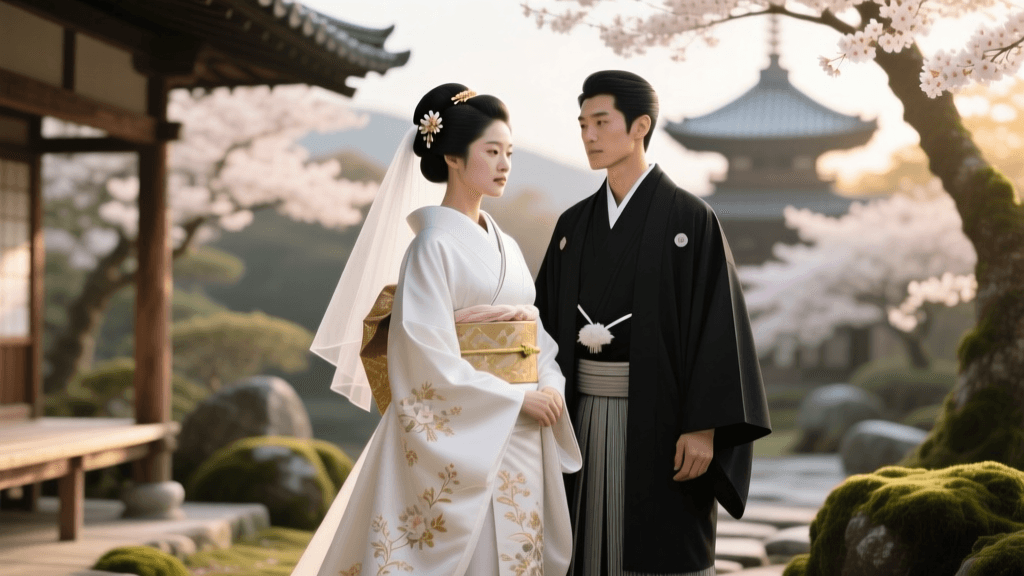
| Furisode / Hakama | 9,000 - 15,000 | Long-sleeved furisode (unmarried women) or hakama (graduation/men), complex obi tying. | Coming-of-age aesthetics, formal photography, winter/spring seasons. |
| Summer Yukata | 2,500 - 4,000 | Lightweight cotton yukata, half-width obi, geta (wooden sandals). | Summer festivals (matsuri), fireworks viewing, July-August travel. |
Pro Tip: Always check if the rental fee includes hair styling and tabi (split-toe socks). Many budget shops charge an extra 1,000 to 1,500 JPY for professional hair setting, and some require you to purchase the tabi socks outright for hygiene reasons.
Seasonal Guide: Choosing the Right Fabric
Traditional Japanese clothing is deeply tied to the changing of the seasons. The Victoria and Albert Museum notes in its extensive textile archives that the kimono is not merely a garment, but a canvas that reflects the natural world and the specific time of year. When renting, shops will automatically provide season-appropriate garments, but knowing the terminology helps you make informed choices.
Spring and Autumn: The Awase Kimono
From October through May, you will be dressed in an awase (lined) kimono. These garments feature an inner lining that provides warmth and gives the silk a beautiful, structured drape. Spring rentals often feature pastel cherry blossom (sakura) motifs, while autumn rentals showcase rich jewel tones, maple leaves (momiji), and geometric patterns.
Summer: The Yukata and Hitoe
Kyoto summers are notoriously hot and humid. From June to September, rental shops transition to yukata (unlined cotton garments) or hitoe (unlined silk). Yukata are highly breathable, easier to tie, and significantly cooler. However, they are considered casual wear and are traditionally associated with summer festivals and onsen (hot spring) towns rather than formal temple visits.
Winter Layering
If you visit between December and February, ask your rental shop for a haori (a traditional hip-length jacket) or a velvet shawl. Many modern rental shops also provide discreet thermal undergarments and adhesive body warmers (kairo) that can be applied to your lower back and stomach beneath the kimono layers to combat the biting Kyoto cold.
The Anatomy of the Rental Experience
The process of dressing in a kimono, known as kitsuke, is an art form that takes professionals years to master. As a tourist, you will be dressed by a certified professional in about 15 to 20 minutes. Understanding the layers will help you appreciate the process and communicate your comfort needs to the dresser.
- Susoyoke and Hadajuban: The foundational undergarments. These are thin, breathable cotton slips that protect the outer silk from sweat and skin oils.
- Nagajuban: A secondary under-robe that provides the collar structure. Only the very edge of this collar should be visible beneath the main kimono.
- The Kimono: The main outer garment. The dresser will adjust the length so that the hem falls perfectly at your ankles, securing the excess fabric at the waist with a thin tie called a koshihimo.
- Datejime: A wide, stiff belt used to flatten the waist and create a smooth, cylindrical silhouette, which is essential for the obi to sit correctly.
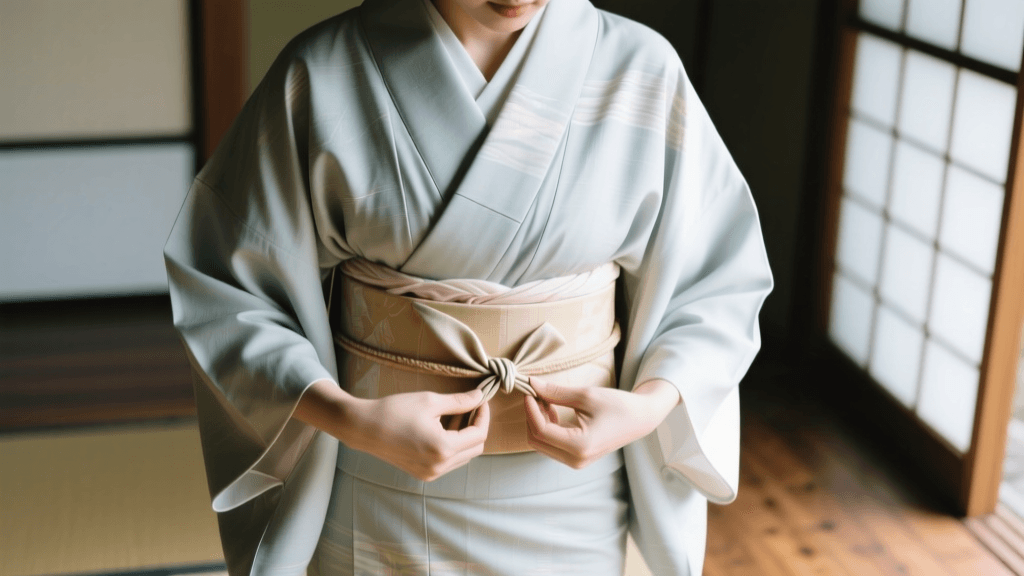
- The Obi: The wide, decorative sash. Rental shops typically use pre-tied, clip-on obi for tourists to save time and ensure a flawless, symmetrical bow at the back.
- Accessories: Finally, the dresser will add the obijime (a decorative cord tied over the obi), tabi socks, and zori sandals.
Crucial Etiquette and Wearing Rules
Wearing a kimono comes with a specific set of physical and cultural rules. Adhering to these not only shows respect for Japanese culture but also ensures your photographs look elegant and authentic.
The Golden Rule of the Collar: The left side of the kimono must always wrap over the right side. Wrapping right-over-left is strictly reserved for dressing the deceased for funerals. Always double-check your collar in the mirror before leaving the shop.
- Posture and Walking: A kimono restricts your stride. Take smaller, deliberate steps, and try to walk with your toes pointing slightly inward. This prevents the front panels of the kimono from falling open and reveals the elegant hemline.
- Sitting: When sitting on benches or in cafes, smooth the back of your kimono and obi down with your hands before lowering yourself. Sit up straight and keep your knees tightly together to maintain the cylindrical shape of the garment.
- Navigating Stairs: The hem of a kimono can be a tripping hazard, especially on the steep, uneven stone steps of temples like Kiyomizu-dera. Gracefully lift the front hem slightly with one hand when ascending or descending stairs.
- Restroom Etiquette: Use Western-style sitting toilets whenever possible. Gather the front panels of your kimono and obi, tucking them securely into the datejime or holding them up with hair clips (often provided by the rental shop) to prevent them from touching the floor.
Best Sightseeing Routes for Photography
Choosing the right location is vital for your kimono experience. The Kyoto City Official Travel Guide recommends specific historic preservation districts where the architecture perfectly complements traditional garments. However, timing is everything to avoid overwhelming crowds.
The Higashiyama Preservation District
The streets of Ninenzaka and Sannenzaka, leading up to Kiyomizu-dera, offer the most iconic backdrop of wooden machiya houses and hanging lanterns. Actionable advice: Arrive at your rental shop by 9:00 AM. By 11:00 AM, these narrow streets become heavily congested with tour groups, making it difficult to walk safely in zori sandals or capture unobstructed photographs.
Arashiyama Bamboo Grove
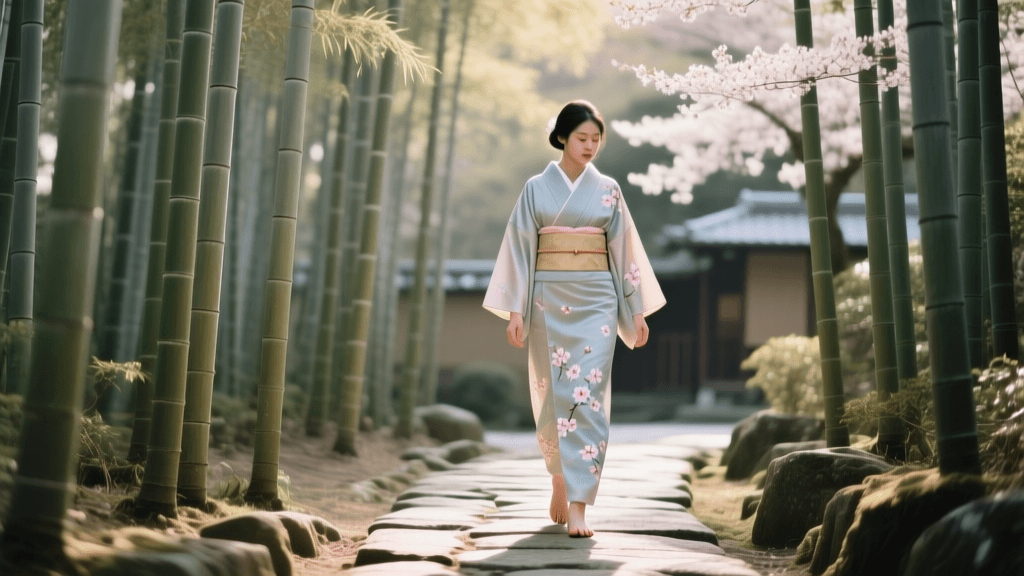
Located in western Kyoto, the towering bamboo stalks provide a striking, ethereal contrast to the vibrant colors of a silk kimono. Because Arashiyama is spread out, consider renting a bicycle. Many rental shops near the Togetsukyo Bridge offer kimono-friendly bicycles with baskets, allowing you to explore the Saga-Toriimoto area without exhausting yourself in traditional footwear.
Shogunzuka and Seiryu-den
For a more secluded, high-end photography experience away from the tourist masses, head to the Shogunzuka hills overlooking the city. The wooden stages of Seiryu-den temple offer panoramic views of Kyoto, providing a dramatic and serene backdrop that is rarely seen in standard tourist brochures.
Final Tips for a Seamless Experience
To maximize your comfort and enjoyment, keep these final practical tips in mind. First, wear lace-up or slip-on shoes to the rental shop, as you will be changing into zori sandals and may need to store your footwear in a provided locker. Second, bring a small, thin hand towel; dressers often use them to pad the waist and create a smoother silhouette, but having your own ensures hygiene and comfort. Finally, respect the return time. Most shops require garments back by 5:00 PM or 6:00 PM. Late returns often incur steep hourly penalties, so plan your itinerary, including travel time back to the shop via taxi or bus, well in advance. By preparing thoroughly and respecting the garment's rich history, your Kyoto kimono experience will be a highlight of your Asian travels.