The Japanese Bridal Kimono Guide: Shiromuku and Uchikake
The Spiritual and Sartorial Roots of Japanese Bridal Fashion
Wedding traditions in Japan are a profound blend of Shinto spirituality, Buddhist influences, and centuries of sartorial evolution. At the heart of the traditional Japanese wedding (known as shinzen shiki) is the bridal wardrobe, a meticulously curated collection of garments that signify purity, auspiciousness, and the transition into a new family lineage. Unlike Western bridal fashion, which typically centers on a single white gown, a traditional Japanese bride may change outfits multiple times throughout the day, moving from the solemnity of the shrine ceremony to the celebratory reception.
According to the Metropolitan Museum of Art, the evolution of the kosode into the modern kimono laid the groundwork for the highly codified dress codes seen in Japanese ceremonies today. For modern brides, navigating the terminology, measurements, and etiquette of these garments can be overwhelming. This comprehensive guide breaks down the essential Japanese bridal kimono wardrobe, offering practical advice on rentals, timelines, and the intricate art of kitsuke (kimono dressing).
The Core Bridal Wardrobe: Shiromuku, Uchikake, and Hikifurisode
Shiromuku: The Pure White Wedding Kimono
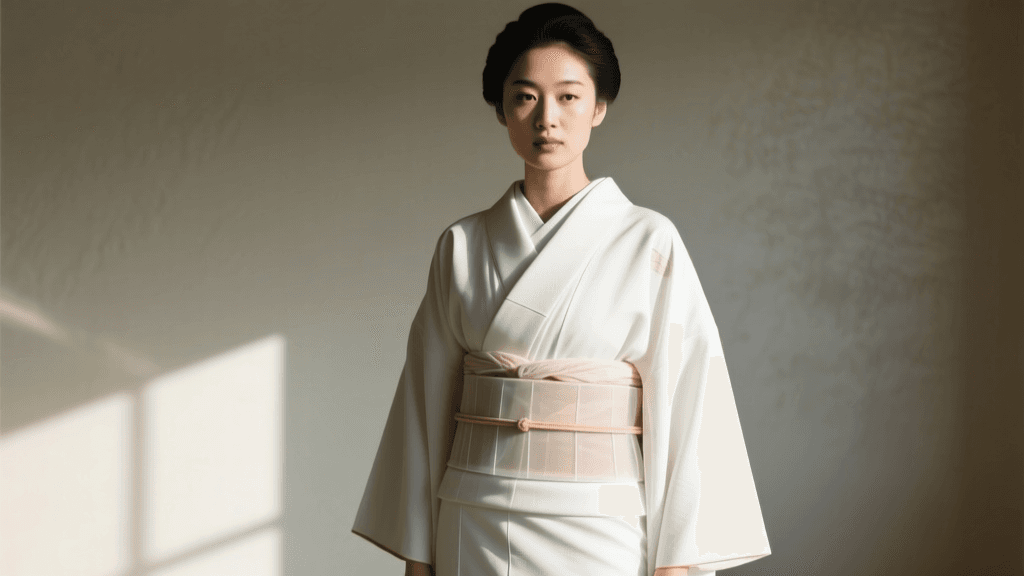
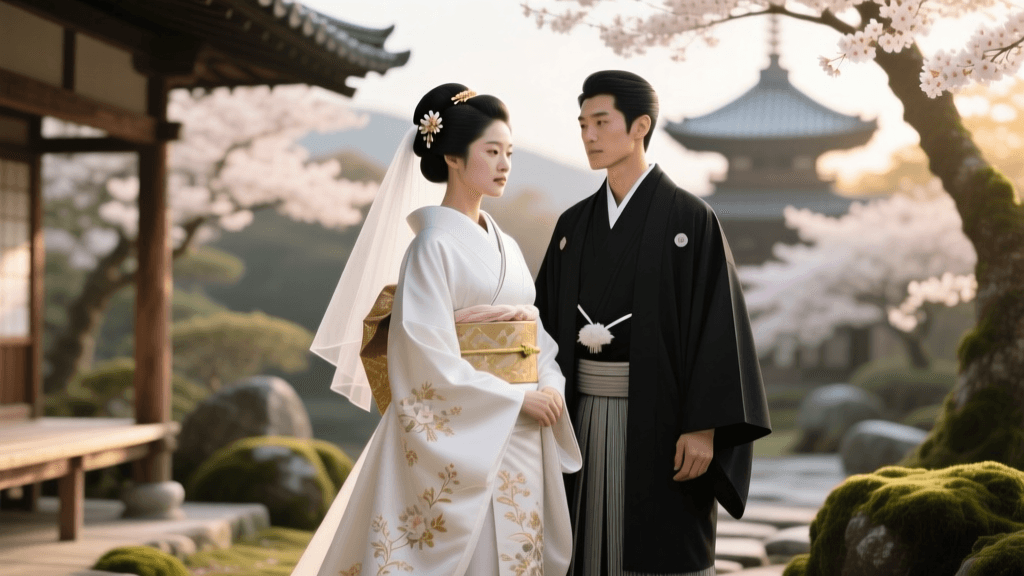
The shiromuku is the most formal and traditional wedding kimono, worn exclusively during the Shinto shrine ceremony. Translating literally to 'pure white,' this ensemble consists of a white base kimono (kakeshita), a white outer robe (uchikake), and a white obi sash. The color white in Shinto tradition represents purity, maidenhood, and the bride's willingness to be 'dyed' in the colors of her new family.
The shiromuku is paired with specific headpieces. The wataboshi is a large, dome-shaped white hood that functions similarly to a Western veil, hiding the bride's face from everyone except the groom. Alternatively, brides may wear the tsunokakushi, a smaller white band that translates to 'horn-hider,' symbolizing the bride's resolve to hide any 'horns' of jealousy or ego as she enters her new household. Accessories for the shiromuku are strictly white or gold, including the sensu (folding fan) and the hakoseko (a decorative mirror case worn at the chest).
Iro-Uchikake: The Colored Outer Robe
Following the solemnity of the shrine ceremony, the bride typically changes into an iro-uchikake (colored outer robe) for the reception, photo sessions, and guest greetings. As highlighted by the Victoria and Albert Museum, the uchikake is a highly decorative, unbelted outer robe designed to be worn open over a base kimono, trailing elegantly on the floor.
The defining feature of the uchikake is the fukigaeshi, a thick, padded hem that allows the heavy silk brocade to sweep the floor gracefully without tangling. While red remains the most popular and auspicious color—symbolizing joy and protection against evil spirits—modern brides frequently opt for black, gold, deep purple, or pastel hues. The embroidery and weaving techniques, such as saga nishiki (gold and silver brocade) or yuzen dyeing, feature auspicious motifs like cranes (longevity), pine trees (endurance), and peonies (wealth).
Hikifurisode: The Trailing Sleeve Formal Wear
For the final reception toast or the farewell to guests, some brides choose a hikifurisode. Unlike the standard furisode worn by unmarried women, the bridal hikifurisode features a trailing hem (similar to the uchikake) and is often heavily padded. While historically black with five family crests (kurotomesode style) was common for post-wedding events, contemporary bridal hikifurisode are vibrant, heavily embroidered, and feature the signature long, swinging sleeves that denote youth and celebration.
Comparison Chart: Japanese Bridal Kimono Types
Understanding the distinct phases of a Japanese wedding is crucial for selecting the right garments. The table below outlines the primary bridal kimono types, their ceremonial purpose, and key characteristics.
| Garment | Ceremony Phase | Key Features & Symbolism | Estimated Rental Cost (JPY) |
|---|---|---|---|
| Shiromuku | Shinto Shrine Ceremony | Pure white silk, wataboshi hood, symbolizes purity and new beginnings. | 150,000 - 300,000 |
| Iro-Uchikake | Reception & Photography | Colorful brocade, padded hem (fukigaeshi), auspicious crane/pine motifs. | 200,000 - 450,000 |
| Hikifurisode | Reception Toast / Farewell | Long swinging sleeves, trailing hem, vibrant colors or black with crests. | 180,000 - 350,000 |
| Kurotomesode | Post-Wedding Events | Black base, five family crests, hem design only. Worn by married women. | 100,000 - 200,000 |
Practical Guide: Renting vs. Buying and Timelines
For the vast majority of brides, renting is the most practical and cost-effective route. Purchasing a brand-new, high-quality silk uchikake can easily exceed 1,000,000 JPY ($6,500+ USD), not including the base kimono, obi, and numerous undergarments. Rental packages from specialized bridal salons (such as those in Kyoto or Tokyo) typically include the outer garments, obi, undergarments, accessories, and professional dressing services.
Booking Timeline and Actionable Steps
- 8 to 10 Months Prior: Begin researching bridal salons. If you are getting married during peak seasons (Spring cherry blossom season or Autumn foliage season), book your salon consultations immediately.
- 6 Months Prior: Attend your first fitting. Bring your wedding shoes (zori) to ensure the hem length of the kakeshita is measured correctly. Select your shiromuku and uchikake.
- 3 Months Prior: Finalize accessories, including the obi style (usually the elaborate fukura suzume or sparrow knot), hair ornaments (kanzashi), and the kaiken (ceremonial dagger).
- 1 Month Prior: Final payment and confirmation of the dressing schedule. Salons will coordinate directly with your shrine or venue to arrange transportation for the kitsuke-shi (kimono dresser).
The kimono is not merely a garment; it is a canvas of cultural memory, wrapping the wearer in centuries of auspicious symbolism and familial blessings.
The Art of Kitsuke: Dressing the Bride
Dressing a Japanese bride is a highly technical process that takes between 45 to 90 minutes. The goal of bridal kitsuke is to transform the body's natural curves into a smooth, cylindrical silhouette, which is considered the ideal aesthetic for kimono wear. As noted by cultural resources like Japan Guide, traditional ceremonies require strict adherence to these sartorial rules to maintain the sanctity of the event.
Essential Undergarments and Padding
The foundation of the bridal look relies on specific undergarments and strategic padding:
- Hadajuban and Susoyoke: The base layer consisting of a thin cotton half-slip and skirt, worn directly over modern, seamless undergarments.
- Kimono Bra and Padding: A specialized bra is used to flatten the bust. Towels and cotton pads (kimono suppon) are wrapped around the waist and hips to eliminate curves, ensuring the silk drapes perfectly straight.
- Datejime: Stiff silk or linen bands tied tightly around the chest and waist to secure the padding and base layers.
- Nagajuban: The inner kimono, usually made of red or white silk, which protects the outer garments from perspiration and provides a flash of color at the collar and sleeves.
The Ohashori Fold
Unlike Western dresses that are tailored to exact floor lengths, the kimono is tailored to a standard length (usually around 150-160 cm for the body). The excess fabric is folded at the waist to create the ohashori. For brides, the ohashori must be perfectly level, thick enough to show beneath the obi, and completely hidden when the obi is tied. The heavy, stiff silk of a bridal kimono requires the dresser to use multiple koshihimo (tying cords) to ensure the fold does not slip during the hours-long ceremony.
Conclusion
The Japanese bridal kimono wardrobe is a masterclass in textile artistry and cultural preservation. From the blinding purity of the shiromuku to the opulent, trailing elegance of the iro-uchikake, each garment serves a distinct spiritual and celebratory purpose. For brides planning a traditional Japanese wedding, understanding the nuances of these garments, adhering to strict booking timelines, and respecting the intricate art of kitsuke will ensure a seamless and deeply meaningful celebration. Whether you are walking the grounds of a historic Kyoto shrine or hosting a reception in a modern Tokyo hotel, the bridal kimono remains an enduring symbol of love, lineage, and artistry.