Inclusive Kimono Styling: A Guide for Every Body and Gender
The Inherent Inclusivity of the Kimono
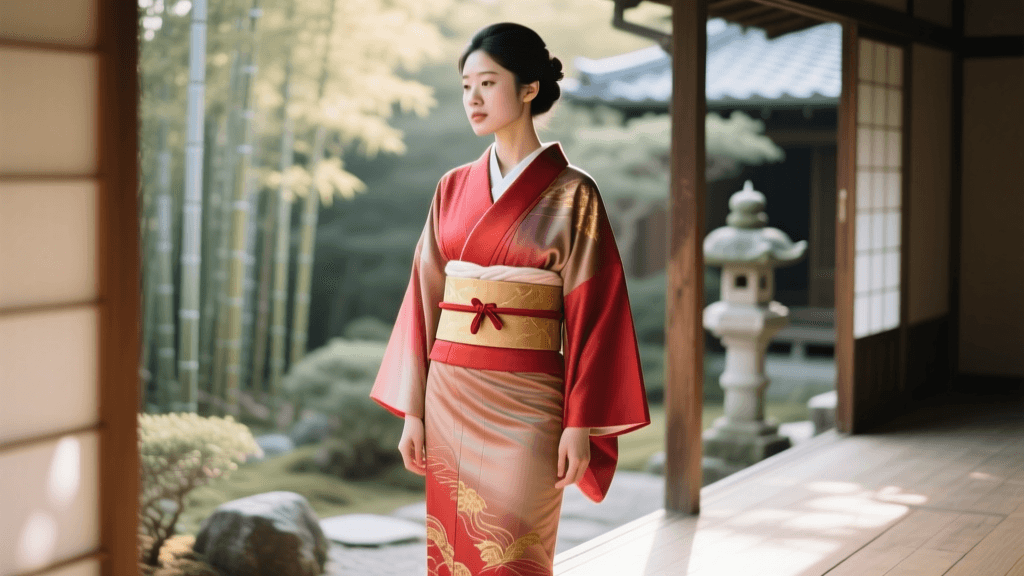
When we think of high fashion or traditional garments, we often picture clothing that is strictly tailored to the wearer's specific measurements. Western tailoring relies heavily on darts, seams, and structured shaping to contour the body. The traditional Japanese kimono, however, operates on an entirely different philosophy. Constructed from straight bolts of fabric known as tanmono, the kimono is fundamentally a T-shaped garment with no darts, no curved seams, and no tailored waist. According to the Victoria and Albert Museum's extensive research on kimono construction, this straight-line cutting method means that the garment does not discriminate based on body shape. Instead, the kimono is adapted to the wearer through the art of kitsuke (the practice of dressing). This structural neutrality makes the kimono one of the most inherently inclusive traditional garments in the world, capable of accommodating a vast spectrum of body types and gender expressions.
Decoding Kimono Sizing for Different Body Types
While the kimono is forgiving, proper sizing is still essential for comfort and aesthetic harmony. Kimono sizing is primarily determined by two factors: the wearer's height (which dictates the garment's length, or mitake) and the wearer's hip/waist circumference (which dictates the necessary fabric width). Standard modern kimono are typically cut to fit a person of average Japanese height (around 155cm to 160cm for women, and 170cm for men). However, adjustments and specialized sizes are widely available.
Standard Kimono Sizing Chart
| Wearer Height | Recommended Kimono Length (Mitake) | Sizing Category |
|---|---|---|
| 145 - 150 cm (4'9" - 4'11") | 125 - 130 cm | Petite |
| 155 - 160 cm (5'1" - 5'3") | 135 - 140 cm | Standard Women's |
| 165 - 170 cm (5'5" - 5'7") | 145 - 150 cm | Tall Women's / Standard Men's |
| 175 - 180 cm (5'9" - 5'11") | 155 - 160 cm | Tall Men's |
| 185 cm+ (6'1"+) | 165+ cm | Custom / Antique Men's |
Adjustments for Specific Body Types
- Petite Wearers: Excess length is managed through the ohashori (the waist tuck). If the kimono is excessively long, the tuck can be folded deeper and secured with a koshihimo (tying cord). Alternatively, the excess fabric can be folded at the shoulders beneath the obi for a seamless look.
- Tall Wearers: Finding adequate length can be challenging. Tall wearers should look for tōshin (tall-sized) kimono. If the garment is slightly short, the ohashori can be minimized or omitted entirely—a styling choice that is increasingly accepted in modern, casual kimono fashion.
- Plus-Size and Curvy Wearers: Standard kimono panels are about 34cm wide. Plus-size wearers should seek out habahiro (wide-width) kimono, which feature panels up to 40cm wide, ensuring adequate overlap at the front. A deeper V-neckline can be created to accommodate a larger bust comfortably, secured firmly with a datejime (underbelt) to prevent the collar from shifting.
- Broad-Shouldered Wearers: Avoid stiff, heavily embroidered fabrics that add visual bulk. Opt for soft, draping fabrics like chirimen (silk crepe) or lightweight cotton, which follow the body's natural lines without pulling across the back.
Gender Expression Through Kimono Styling
Historically, the physical construction of the kimono was largely unisex. The Metropolitan Museum of Art notes that during the Edo period, it was the surface design, color palette, and the style of the obi (sash) that denoted gender, age, and social status, rather than the cut of the garment itself. Today, while a strict binary exists in formal kitsuke (men wear the kimono lower on the waist with no tuck; women wear it higher with an ohashori), modern fashion is actively dismantling these boundaries.
The Rise of Genderless (Jendāresu) Kimono Fashion
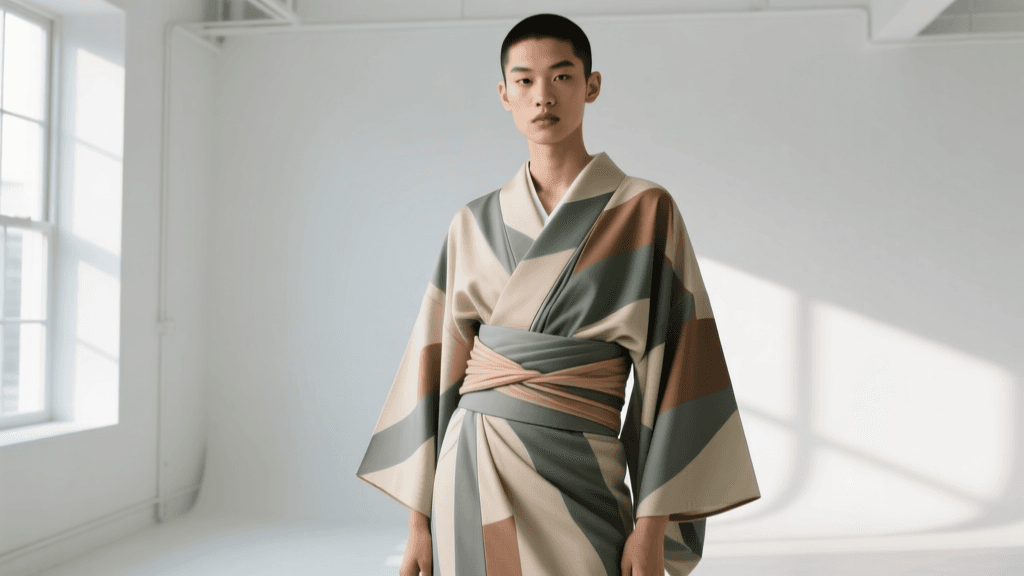
In districts like Harajuku and Kyoto's Gion, a new wave of 'genderless' kimono styling has emerged. This movement embraces the kimono's T-shaped neutrality, allowing wearers to mix and match traditionally gendered elements to create a look that aligns with their personal identity.
- Mixing Elements: Pairing a masculine, dark-colored haori (jacket) with a vibrant, floral women's yukata creates a striking, avant-garde silhouette.
- Obi Selection: The heko obi is a soft, scarf-like belt that is historically unisex in casual settings. It is incredibly forgiving, comfortable for all body types, and easily tied in fluid, asymmetrical bows that defy traditional gender norms.
- Patterns and Textiles: Opt for gender-neutral textiles such as shibori (tie-dye), kasuri (geometric weave), or nature-inspired motifs like bamboo, cranes, or ocean waves, which carry no inherent gendered associations.
Practical Kitsuke (Dressing) Adjustments
The secret to a comfortable, flattering kimono experience lies in the undergarments and padding. Contrary to popular belief, padding (himopad) is not just used to create a traditional cylindrical silhouette; it is a vital tool for comfort and support.
Bust and Waist Support
For wearers with a larger bust, the traditional cylindrical shape can feel restrictive. Instead of flattening the chest, use a soft towel or specialized bust pad to create a gentle slope from the chest to the waist. This prevents the collar from gaping and provides a supportive shelf for the heavy silk layers. For those with a pronounced stomach or hips, wrapping a soft cotton towel around the waist before tying the koshihimo creates a smooth foundation, preventing the obi from digging in and ensuring the fabric drapes elegantly.
Collar Management
The eri (collar) is the focal point of the kimono. For a feminine or soft presentation, the collar is pulled back to expose the nape of the neck (eri-nuki). For a masculine or sharp, androgynous presentation, the collar is worn closer to the neck, with a tighter, higher intersection at the chest. A korin belt (a modern elastic clipping tool) is highly recommended for beginners of all genders to keep the collar perfectly in place without constant readjustment.
Renting vs. Buying: What Inclusive Wearers Need to Know
For tourists and newcomers, renting is the most accessible way to experience the garment. The Japan National Tourism Organization (JNTO) highly recommends kimono rentals as a premier cultural immersion activity. However, standard rental shops in tourist hubs like Asakusa or Higashiyama often stock primarily standard women's sizes (155-160cm) and standard men's sizes.
Vocabulary for Inclusive Rental Shopping
If you fall outside standard sizing, knowing a few key Japanese terms will help you communicate with rental shops via email or phone before your visit:
- Tōshin (長身): Tall size.
- Tokudai (特大): Plus size / Extra large.
- Habahiro (幅広): Wide width (crucial for plus-size wearers to ensure front overlap).
- Jendāresu (ジェンダーレス): Genderless / Unisex styling.
Cost and Timing Expectations
Standard kimono rentals typically cost between ¥4,000 and ¥8,000 ($25 - $55 USD) and include dressing, hair styling, and accessories. However, shops that specialize in tokudai or vintage tall sizes may charge a premium, ranging from ¥10,000 to ¥15,000 ($70 - $100 USD) due to the rarity of the textiles. The dressing process (kitsuke) takes approximately 30 to 45 minutes. If you require specialized adjustments for mobility, pain management, or specific gender-affirming padding, be sure to communicate this to the dresser (kitsuke-shi) upfront; Japanese hospitality (omotenashi) dictates that they will go to great lengths to ensure your comfort.
Conclusion
The kimono is not a rigid relic of the past, but a dynamic, living garment. Its brilliant, straight-seamed construction offers a canvas for self-expression that transcends Western sizing charts and gender binaries. Whether you are navigating the bustling streets of Kyoto in a wide-width vintage silk, or experimenting with an androgynous haori ensemble in Tokyo, understanding the mechanics of kitsuke empowers you to wear the kimono on your own terms. Embrace the art of wrapping, tying, and folding, and discover how this ancient garment can perfectly reflect your modern, unique identity.