Ultimate Hanfu and Qipao Care Guide: Wash and Store Tips
The Renaissance of Traditional Asian Garments
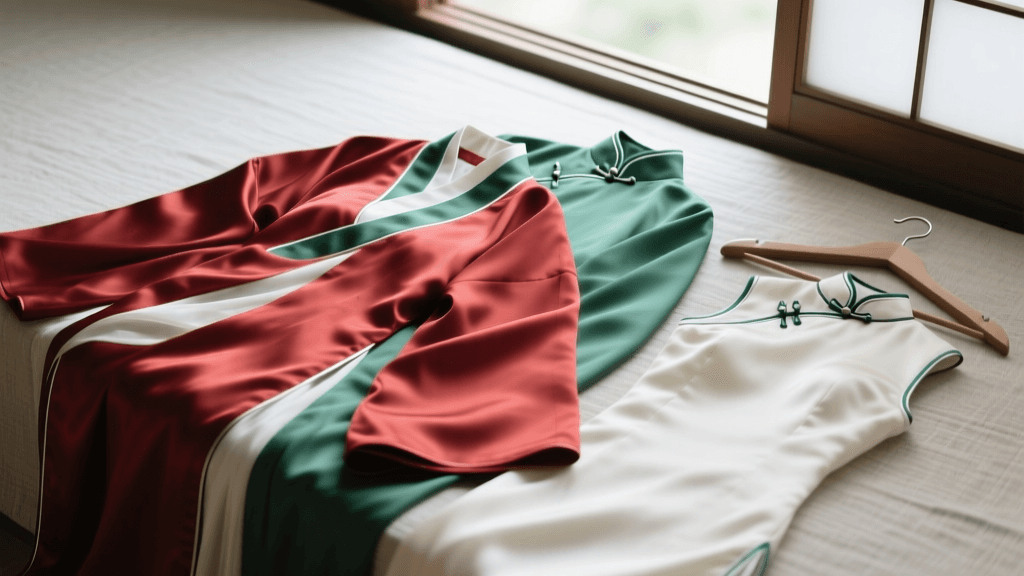
The global resurgence of traditional Chinese clothing has transformed hanfu and the qipao from historical artifacts into vibrant, everyday fashion statements. As noted by the South China Morning Post, the modern hanfu movement has evolved into a multi-billion dollar industry, with millions of enthusiasts investing heavily in authentic, high-quality garments. Whether you own a luxurious Ming dynasty-style mamianqun (horse-face skirt) woven with metallic threads, a delicate silk Tang dynasty ruqun, or a modern Xin Zhongshi (New Chinese Style) qipao, proper care is essential. These garments are not just clothing; they are wearable art and cultural investments. This comprehensive guide provides actionable, museum-grade advice on washing, drying, ironing, and storing your traditional Asian garments to ensure they last for generations.
Understanding Your Traditional Fabrics
Before submerging any garment in water, you must identify the fabric. Traditional Asian garments typically utilize three main categories of textiles, each requiring a distinct care protocol:
- Mulberry Silk (Sangcan Si): A natural protein fiber. It is highly sensitive to alkaline substances, heat, and friction. Silk loses up to 20% of its tensile strength when wet, making it prone to tearing if handled roughly.
- Synthetic Blends (Polyester Chiffon, Organza, Taffeta): Widely used in modern, affordable hanfu. These petrochemical-based fibers are durable and colorfast but are highly sensitive to high heat, which can melt or permanently crease the fibers.
- Brocade and Zari (Metallic Threads): Often found in qipao and Ming-style jackets. These feature metallic yarns wrapped around a silk or synthetic core. Submerging brocade can cause the metallic foil to tarnish, oxidize, or peel.
The Ultimate Washing Guide
When it comes to washing hanfu and qipao, the golden rule is: hand wash gently or dry clean only. Never use a washing machine, as the agitation will destroy delicate seams and cause severe pilling. Below is a structured care chart based on fabric type.
| Fabric Type | Water Temp | Detergent | Wash Method | Drying Method |
|---|---|---|---|---|
| 100% Silk | Cool (60°F/15°C) | pH-neutral (e.g., Eucalan) | Submerge & swish (3 mins) | Flat dry, towel roll |
| Polyester/Chiffon | Lukewarm (80°F/26°C) | Mild liquid (e.g., The Laundress) | Mesh bag, gentle swish | Hang dry, padded hanger |
| Cotton/Linen Blends | Cool to Lukewarm | Color-safe detergent | Hand wash, light agitation | Hang dry, avoid direct sun |
| Brocade / Metallic | N/A (Do not wash) | N/A | Spot clean only | Air out, steam lightly |
Step-by-Step Silk Handwashing
For pure silk hanfu pieces, fill a clean basin with cool water (never exceeding 70°F/21°C). Add one capful of a pH-neutral, lanolin-based detergent like Eucalan Delicate Wash. Submerge the garment and gently agitate the water with your hands. Do not rub the fabric against itself, as this causes 'fibrillation' (a permanent fuzzy texture on silk). Let it soak for no more than 5 minutes. Rinse thoroughly with cool water until the water runs clear. Never wring or twist the silk, as this breaks the protein bonds and causes permanent creasing.
Drying and Steaming Techniques
Improper drying is the leading cause of ruined hanfu silhouettes and water-stained qipao silk.
The Towel Roll Method for Silk
After rinsing, lay the wet silk garment flat on a clean, dry, colorfast cotton towel. Roll the towel and the garment together like a sleeping bag, applying gentle pressure to absorb excess moisture. Unroll, transfer the garment to a fresh dry towel or a mesh drying rack, and reshape the seams. Keep the garment away from direct sunlight and radiators; UV rays degrade silk proteins, causing yellowing and brittleness.
Steaming vs. Ironing
Ditch the traditional flat iron. A high-quality standing steamer, such as the Jiffy Steamer J-2000, is the safest tool for removing wrinkles from voluminous hanfu sleeves and pleated mamianqun skirts.
"Steam relaxes the hydrogen bonds in textile fibers without applying the crushing weight and direct heat of a metal plate, preserving the three-dimensional weave of traditional brocades and the delicate drape of silk chiffon."
When steaming, maintain a distance of at least 6 inches between the steamer head and the fabric to prevent water spotting. For stubborn creases on cotton or linen qipao, use an iron on the lowest 'silk' setting, but always place a 100% cotton pressing cloth between the iron and the garment.
Archival Storage Solutions
How you store your garments during the off-season is just as critical as how you wash them. The Victoria and Albert Museum (V&A) emphasizes that improper storage leads to irreversible acid migration, creasing, and fiber degradation.
Hangers and Folding
Never hang heavy garments like embroidered winter hanfu jackets or heavily beaded qipao on wire or thin plastic hangers; the weight will distort the shoulders and stretch the fabric. Use wide, padded archival hangers. For pleated mamianqun skirts, hanging is preferred to maintain the pleat structure. Use a skirt hanger with wide, padded clips, and place a piece of acid-free tissue paper between the clip and the fabric to prevent clip marks.
For delicate silk ruqun or tops, folding is safer. Line an archival storage box (such as those from Gaylord Archival) with unbuffered, acid-free tissue paper. Buffered tissue (which contains an alkaline reserve) is excellent for plant-based fibers like cotton but can damage protein-based fibers like silk over time. Fold the garment loosely, padding the folds with crumpled tissue paper to prevent hard, permanent creases.
Environment Control and Pest Prevention
According to guidelines from the Metropolitan Museum of Art's Textile Conservation Department, environmental stability is paramount for textile preservation. Store your garments in a climate-controlled interior closet, avoiding attics or basements where temperature and humidity fluctuate wildly.
- Relative Humidity (RH): Maintain an RH between 50% and 55%. High humidity encourages mold growth, while low humidity makes silk brittle.
- Light Exposure: Keep garments in total darkness when stored. Prolonged exposure to ambient light fades natural dyes, particularly the vibrant reds and indigos used in traditional Asian textiles.
- Pest Deterrence: Avoid chemical mothballs (naphthalene), which emit toxic fumes that can chemically react with silk and metallic threads, causing discoloration. Instead, use natural alternatives like cedar blocks, dried lavender sachets, or cloves. Ensure these natural repellents do not touch the fabric directly; place them in small cotton drawstring bags.
Emergency Stain Removal
Accidents happen, whether it is a splash of soy sauce at a dim sum restaurant or a drop of tea during a traditional tea ceremony. Act quickly, but carefully.
- Oil/Grease Stains: Do not use water. Immediately sprinkle cornstarch or talcum powder over the stain to absorb the oil. Let it sit for 24 hours, then gently brush it away with a soft-bristled makeup brush.
- Tannin Stains (Tea, Coffee, Wine): Blot (do not rub) the area with a clean, white, lint-free cloth dampened with distilled water. If the stain persists, a highly diluted solution of white vinegar and distilled water (1:4 ratio) can be dabbed onto the area, followed by a distilled water rinse.
- Ink or Cosmetics: These require professional intervention. Take the garment to a dry cleaner who specializes in vintage or theatrical textiles, and explicitly point out the stain and the fabric composition.
Conclusion
Caring for hanfu and qipao requires a departure from modern, fast-fashion laundry habits. By understanding the unique chemical and physical properties of silk, synthetics, and brocades, and by adopting museum-level storage and cleaning techniques, you ensure that these beautiful expressions of Asian heritage remain pristine. Treat your traditional garments with the respect they deserve, and they will continue to tell their cultural stories for decades to come.