Mythology-Inspired Hanfu: Dressing as Chinese Deities
The Allure of Xianxia and Mythological Garments
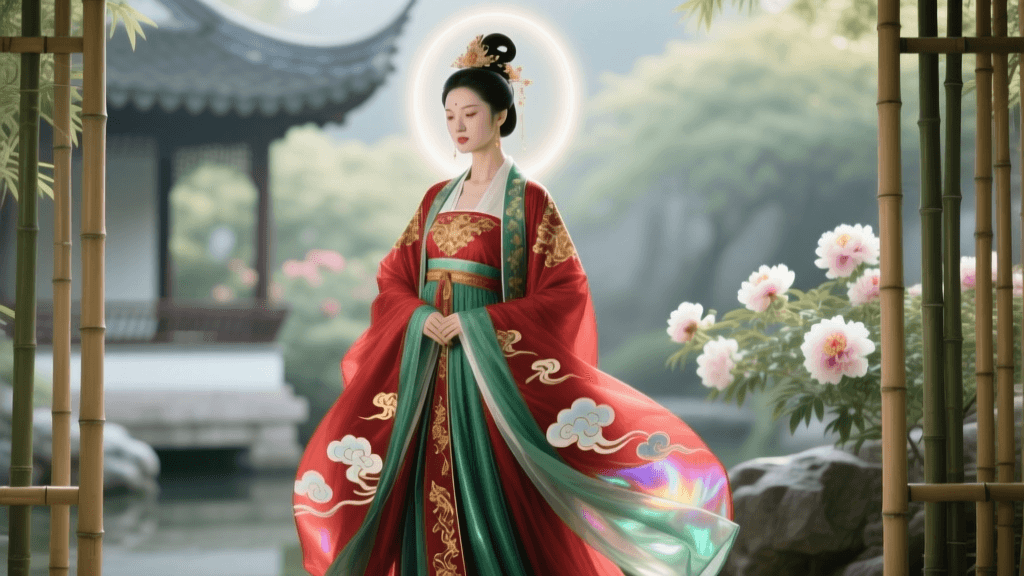
Chinese mythology is a vast, intricate tapestry of celestial beings, elemental spirits, and legendary heroes. For centuries, these figures have been depicted in classical literature, temple murals, and operatic performances, always adorned in garments that defy the constraints of the mortal realm. Today, the intersection of traditional clothing and mythological storytelling has given rise to a vibrant subculture within the Hanfu movement. Enthusiasts and cosplayers alike seek to embody the ethereal grace of xian (immortals), the fierce majesty of dragon deities, and the cunning allure of fox spirits. According to the Encyclopædia Britannica's overview of Chinese mythology, the visual representation of these deities is deeply tied to cosmological principles, where colors, motifs, and silhouettes communicate a being's elemental alignment and spiritual rank.
Translating these mythical concepts into wearable, real-world garments requires more than simply purchasing a mass-produced costume. It demands an understanding of traditional Chinese tailoring, textile behavior, and historical layering techniques. Whether you are preparing for a cultural convention, a themed photoshoot, or a Lunar New Year celebration, this guide will provide actionable, highly specific advice on how to curate a mythology-inspired Hanfu wardrobe that honors both the legends and the artisanal heritage of Chinese textiles.
Translating Myth into Wearable Art: Fabrics and Tailoring
To achieve the ethereal, gravity-defying look of a celestial being, the choice of fabric is paramount. Historical dress structures, as documented in Britannica's comprehensive guide to global dress, dictate that the flow and drape of a garment fundamentally alter the wearer's silhouette. For mythology-inspired Hanfu, you must balance historical accuracy with the dramatic flair required for mythical storytelling.
Selecting the Right Textiles
The foundation of these ethereal garments relies heavily on traditional silk production, a craft recognized by UNESCO as an Intangible Cultural Heritage. When sourcing fabrics or ready-made garments, look for the following specific materials:
- Mulberry Silk (19-22 momme): Ideal for base layers, inner collars, and chest-high skirts (qixiong ruqun). It provides a luxurious, heavy drape that grounds the outfit and prevents it from looking like a cheap costume.
- Silk Organza (8-12 momme): Perfect for the pibo (silk shawl) and outer sheer robes. It holds its shape beautifully, allowing for dramatic, stiff silhouettes that mimic the floating ribbons seen in ancient murals.
- 30D Chiffon or Georgette: A budget-friendly alternative to silk for the daxiushan (large-sleeve shirt). It offers excellent movement and catches the wind, essential for outdoor photoshoots where you want to capture the 'immortal' aesthetic.
- Silk Jacquard Brocade: Necessary for structured outer garments, belts, and masculine deity armor elements. Look for jacquards with woven cloud, wave, or scale motifs rather than printed patterns, as woven textures catch the light like dragon scales.
Tailoring Measurements for the 'Immortal' Silhouette
Mythological garments are defined by their exaggeration of traditional proportions. When ordering custom Hanfu or altering off-the-rack pieces, apply these specific measurement adjustments:
- Sleeve Length and Width: For a true guangxiu (wide sleeve) effect, the sleeve should extend 25cm to 30cm past your fingertips. The width of the sleeve opening should be at least 70cm to allow the fabric to pool dramatically around your wrists.
- Skirt Length: Calculate your skirt length as your full height minus 10cm. This ensures the hem lightly brushes the floor, hiding modern footwear while creating a seamless, elongated column of fabric.
- The Pibo (Shawl): A standard mortal pibo is roughly 2 meters long. For a deity, commission or purchase a pibo that is at least 3.5 to 4 meters long. This allows you to wrap it securely around your arms and let the ends trail behind you, simulating the effect of flying.
Deity Styling Guide: Colors, Layers, and Costs
Each mythical figure possesses a distinct visual vocabulary. Below is a structured breakdown of how to approach styling for three iconic figures from Chinese lore, including estimated budgets and key garment types.
| Mythical Figure | Primary Garment Type | Color Palette & Motifs | Key Accessories | Estimated Budget (USD) |
|---|---|---|---|---|
| Chang'e (Moon Goddess) | Qixiong Ruqun (Chest-high skirt) with sheer Daxiushan | Ice blue, pearlescent white, silver moon rabbit embroidery | Jade rabbit hairpin, crescent moon forehead mark | $120 - $250 |
| Ao Guang (Dragon King) | Round-collar robe (Yuanlingpao) with structured shoulders | Imperial yellow, deep oceanic blue, gold wave motifs | Dragon-scale belt, jade Guan (crown), pearl accents | $200 - $450 |
| Huli Jing (Nine-Tailed Fox) | Aoqun (Jacket and skirt) with exaggerated flared sleeves | Crimson red, burnt orange, subtle flame or paw prints | Fox-fire lantern, gold bell earrings, red silk ribbons | $150 - $300 |
Deep Dive: Chang'e (Goddess of the Moon)
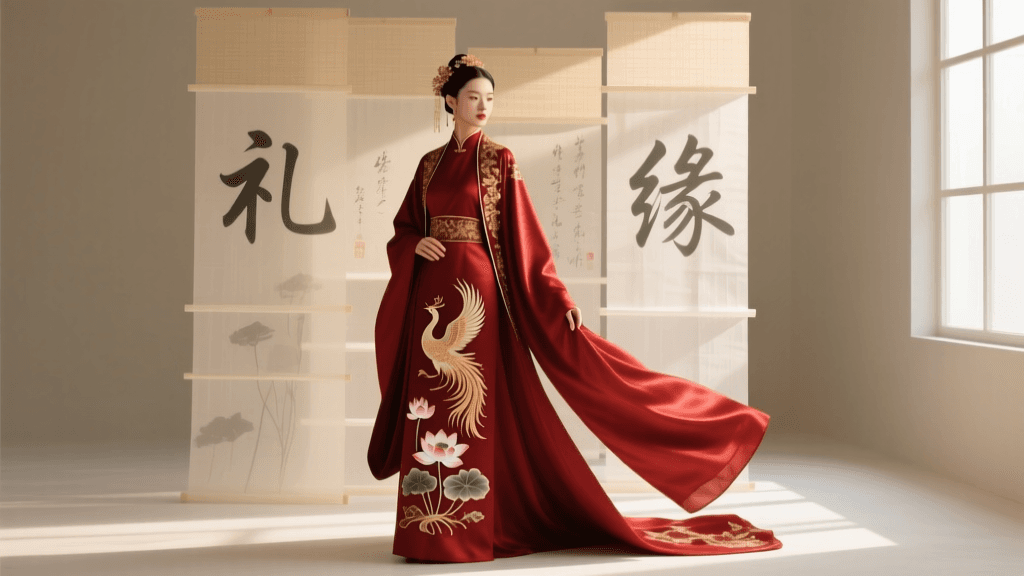
Chang'e's aesthetic is defined by sorrowful elegance and lunar isolation. To recreate her look, avoid overly saturated colors. Opt for a chest-high skirt in a gradient of midnight blue fading into silver. The outer robe should be made of translucent white silk organza, embroidered with silver thread in a subtle 'moon and clouds' pattern. Actionable Tip: Apply a silver or white huadian (forehead mark) shaped like a crescent moon or a jade rabbit. Budget roughly $45 for a custom-embroidered organza shawl to complete the floating effect.
Deep Dive: The Dragon King (Ao Guang)
Styling a male water deity requires a focus on structure and authority. The Dragon King's garments should utilize heavy silk jacquards that mimic the texture of scales. A round-collar robe with a woven dragon motif across the chest and shoulders is essential. Actionable Tip: To add armor-like structure without the weight of metal, use buckram or heavy interfacing inside the collar and shoulder seams of the robe. Pair this with a traditional guan (hair crown) carved from resin or real jade, costing between $50 and $150 depending on the material.
Deep Dive: The Nine-Tailed Fox Spirit (Huli Jing)
Fox spirits are shapeshifters, often depicted as alluring and dangerous. Their clothing should feature dynamic, asymmetrical layering. Use an aoqun (a lined jacket paired with a pleated skirt) but leave the jacket unbuttoned at the top to reveal a brightly colored inner collar. Actionable Tip: Incorporate movement by attaching small, silent gold bells to the ends of your waist sashes and sleeve hems. This creates a subtle auditory illusion of a fox spirit moving through the brush.
Sourcing Authentic Accessories
A mythology-inspired Hanfu outfit is incomplete without the proper headwear and jewelry. In Chinese myth, accessories are often magical artifacts in their own right.
- Buyao (Step-Shake Hairpins): Essential for female deities. These hairpins feature dangling ornaments that tremble with the wearer's movements. For a high-end look, source buyao made with velvet flowers (ronghua) or freshwater pearls rather than plastic beads. Expect to pay $30-$60 for a high-quality, handcrafted piece.
- Jade Pendants and Bi Discs: Jade represents purity and spiritual protection. Male deities and scholars should wear a bi disc tied to their waist belt with a complex Chinese knot. Authentic nephrite jade pendants can be sourced from certified dealers, starting around $80 for smaller, carved pieces.
- Mythological Props: If carrying a prop, such as a folding fan or a lotus flower, ensure the materials match the garment. A fan should feature real bamboo ribs and hand-painted rice paper, not printed plastic.
Garments in Chinese mythology are not merely clothing; they are visual manifestations of cosmic order, elemental alignment, and spiritual cultivation. To wear them is to step into a narrative that spans millennia.
Caring for Delicate Mythological Garments
Mythology-inspired Hanfu often incorporates delicate embroidery, metallic threads, and sheer fabrics that require meticulous care to maintain their ethereal appearance.
- Washing: Never machine wash silk or metallic-threaded jacquards. Hand wash silk base layers in cold water using a pH-neutral silk detergent (such as Eucalan or The Laundress Delicate Wash). Gently press the water out—never wring or twist the fabric, as this will permanently distort the fibers.
- Drying: Lay sheer organza and chiffon flat on a clean, dry towel away from direct sunlight. UV rays will quickly degrade the dyes used in vibrant reds and blues, causing them to fade and lose their 'magical' vibrancy.
- Storage: Store heavily embroidered jackets on padded hangers to prevent the shoulders from stretching. Wrap jade and pearl accessories in soft microfiber cloths and store them in separate compartments to prevent the metal settings from scratching the stones.
- Steaming: Use a handheld garment steamer rather than an iron. The direct heat of an iron can melt synthetic chiffons and scorch silk organza. Steam the garments from the inside out to preserve the raised texture of any woven jacquard motifs.
Timing Your Purchase and Preparation
If you are planning to debut your mythology-inspired Hanfu at a specific event, such as a Lunar New Year parade, a Comic-Con, or a specialized Hanfu convention, timing is critical. Custom-embroidered pieces from specialized ateliers in Suzhou or Hangzhou can take anywhere from 45 to 90 days to complete. Always place custom orders at least three months in advance. For off-the-rack pieces from established Taobao or indie Hanfu brands, allow 30 days for international shipping and potential customs delays. Finally, schedule a full dress rehearsal at least two weeks before your event. This allows you to test the weight of the sleeves, the security of your hairpins during movement, and the length of your trailing pibo, ensuring you can move with the grace of a true immortal.
Conclusion
Dressing as a deity from Chinese mythology is a profound way to engage with the rich tapestry of Asian traditions. By paying close attention to historical silhouettes, investing in high-quality textiles like mulberry silk and jacquard brocade, and carefully curating your accessories, you can bridge the gap between ancient legend and modern wearable art. Whether you are embodying the quiet grace of the Moon Goddess or the commanding presence of the Dragon King, the right garments will allow you to carry the magic of the myths into the mortal world.