Xiu He Fu and Long Feng Gua: Chinese Wedding Attire Guide
The Renaissance of Traditional Chinese Wedding Attire
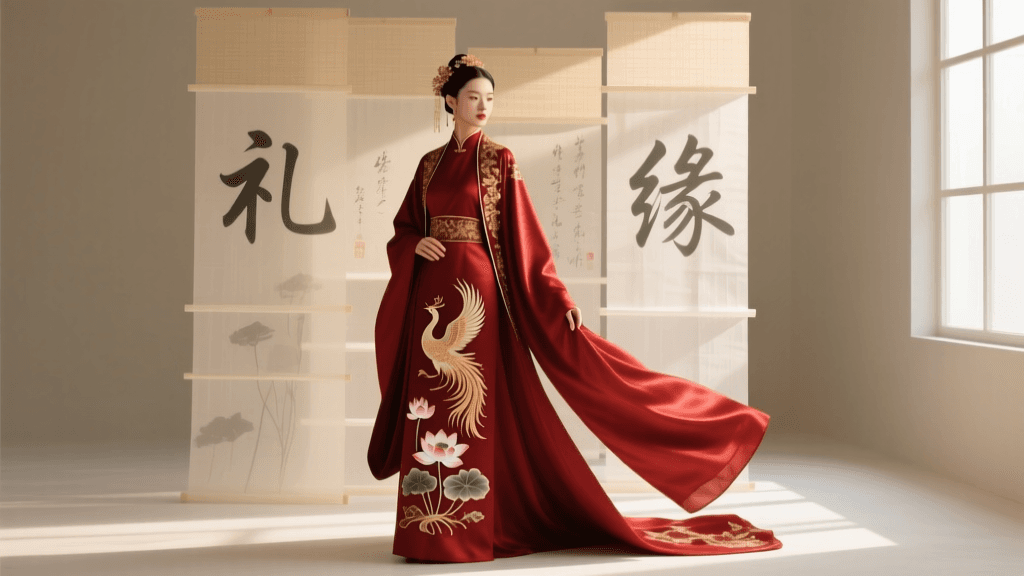
In recent years, the landscape of Chinese weddings has undergone a magnificent transformation. While the Western white wedding gown remains a staple for the evening banquet, an increasing number of brides are turning to their cultural roots for the morning tea ceremony and traditional rituals. The revival of historical Chinese fashion, as noted by cultural observers and documented in features by BBC Travel, has deeply influenced modern matrimonial choices. At the forefront of this ceremonial renaissance are two breathtaking garments: the Xiu He Fu and the Long Feng Gua. These are not merely dresses; they are wearable heirlooms, steeped in centuries of symbolism, regional craftsmanship, and familial blessing. Understanding the nuances between these garments is essential for any bride or groom looking to honor their heritage with authenticity and elegance.
Xiu He Fu vs. Long Feng Gua: Understanding the Differences
The Xiu He Fu (秀禾服) and the Long Feng Gua (龙凤褂) are often mistakenly used interchangeably by those outside the culture, but they possess distinct historical origins, silhouettes, and regional ties. The Xiu He Fu traces its aesthetic roots to the Han Chinese clothing of the Ming and Qing dynasties, specifically the "Ao Qun" (jacket and skirt) style. It features a looser, more forgiving silhouette with a flared A-line skirt and wide, flowing sleeves. In contrast, the Long Feng Gua originates from the Cantonese and Southern Chinese traditions. It is a two-piece garment consisting of a tailored, form-fitting jacket and a straight, pencil-like skirt. The Gua is renowned for its dense, intricate embroidery that often covers the entirety of the red silk base, leaving almost no fabric visible.
| Feature | Xiu He Fu | Long Feng Gua (Kwa) | Ceremonial Qipao |
|---|---|---|---|
| Origin | Ming/Qing Han aesthetic | Cantonese / Southern | 1920s Shanghai |
| Silhouette | Loose jacket, flared A-line skirt | Fitted jacket, straight pencil skirt | Form-fitting one-piece dress |
| Sleeves | Wide, flowing, layered | Three-quarter or full, tailored | Short or sleeveless cap |
| Embroidery | Spaced motifs, softer drape | Extremely dense, stiff gold/silver couching | Varied, often localized panels |
| Best For | Tea ceremonies, sitting rituals | Formal processions, ancestral worship | Receptions, evening banquets |
The Art of Embroidery: Symbolism and Craftsmanship
The true value of both the Xiu He Fu and the Long Feng Gua lies in their embroidery. According to the extensive textile archives at the Victoria and Albert Museum, traditional Chinese ceremonial textiles rely heavily on symbolic motifs to convey wishes for the couple's future. The dragon (long) and phoenix (feng) represent the ultimate balance of yin and yang, masculine and feminine energies. However, the execution differs. The Long Feng Gua utilizes a technique called gold and silver thread couching, where metallic threads are laid on the surface of the silk and stitched down with fine silk threads. This creates a raised, three-dimensional, and highly reflective surface. The density of this embroidery dictates the garment's prestige and price. A "Xiao Wu Fu" (small five blessings) features sparse embroidery, while a "Da Wu Fu" or "Gua Huang" (Emperor of Kwa) is so densely stitched that the red silk base is entirely obscured, making the garment heavy, stiff, and incredibly luxurious. The Xiu He Fu, while also featuring dragons and phoenixes, often incorporates softer, more colorful silk threads and includes motifs like peonies for wealth, lotuses for purity, and pomegranates for fertility. The embroidery is typically flatter, allowing the silk to drape elegantly over the bride's movements.
The Morning Tea Ceremony: Context and Etiquette
The primary setting for the Xiu He Fu and Long Feng Gua is the traditional Chinese morning tea ceremony, a cornerstone of the wedding day where the couple serves tea to their elders to express gratitude and receive blessings. During this ceremony, the structural differences between the garments become highly practical. The Xiu He Fu, with its wide sleeves and flared skirt, allows the bride to kneel gracefully on the floor or low cushions, which is customary in many northern and central Chinese traditions. The flowing sleeves also create a stunning visual effect when the bride raises the tea cups with both hands in a gesture of respect. Conversely, the Long Feng Gua is favored in Cantonese and Fujianese ceremonies where the bride may remain seated or where the focus is on displaying the family's gold jewelry. The stiff, heavily embroidered fabric of the Gua provides a sturdy, regal backdrop for the heavy gold bangles and necklaces draped over the bride. When planning your wedding day timeline, allocate at least 45 minutes for the tea ceremony itself, and ensure your photographer understands how to capture the intricate embroidery details, which often requires specific lighting to highlight the metallic threads.
Practical Guide: Sourcing, Fitting, and Budgeting
Timing Your Order
For a bespoke Long Feng Gua, the hand-embroidery process is staggeringly labor-intensive. A high-density Gua Huang can take a master artisan up to a year to complete. Brides must begin their consultations and measurements at least 9 to 12 months before the wedding. For a Xiu He Fu, which often utilizes a mix of hand and machine embroidery for modern commercial pieces, a 4 to 6-month lead time is standard. If you are renting, secure your reservation 2 to 3 months in advance, especially if your wedding falls during the autumn peak season or on highly auspicious lunar dates.
Essential Measurements
When ordering bespoke traditional Chinese wedding attire, standard Western dress measurements are insufficient. You must provide your tailor with:
- Bust (fullest part)
- Waist (natural indentation)
- Hips (fullest part)
- Shoulder width (bone to bone across the back)
- Sleeve length (from the shoulder bone to the wrist, and then to the desired drape point for Xiu He Fu)
- Jacket length (from the nape of the neck to the desired hemline, usually just below the hip)
- Skirt length (from the natural waist to the floor, accounting for the exact heel height of your wedding shoes)
- Armhole circumference (crucial for the structured fit of the Long Feng Gua)
Budgeting and Embroidery Density
The cost of these garments varies wildly based on the embroidery density and the ratio of hand-to-machine stitching. A machine-embroidered, off-the-rack Xiu He Fu can be purchased for $200 to $600 USD. A high-quality, hand-embroidered Xiu He Fu ranges from $1,500 to $4,000 USD. The Long Feng Gua is a significant investment. A standard hand-couched Kwa starts around $3,000 USD, while a master-crafted Gua Huang can easily exceed $15,000 to $30,000 USD, functioning as a generational heirloom. For many modern couples, renting a high-density Kwa for the day is a practical alternative, with rental fees typically ranging from $300 to $1,200 USD depending on the prestige of the bridal boutique and the condition of the garment.
Accessories to Complete the Ceremonial Look
No traditional Chinese wedding look is complete without the proper accessories. For the Xiu He Fu, brides often wear a "Yun Jian" (cloud shoulder), a beautifully embroidered circular capelet that drapes over the shoulders, adding immense ceremonial gravitas. Hair is traditionally styled in an elaborate updo adorned with gold hairpins, jade ornaments, and dangling pearl tassels. In Southern Chinese traditions, the bride's family will gift her heavy gold jewelry, including intricately carved dragon and phoenix bangles and a gold collar necklace, which are worn over the Long Feng Gua to symbolize family wealth and prosperity. Grooms are not left out; they typically wear a matching silk Changshan or a groom-specific Kwa jacket, often featuring a prominent "Fu" (fortune) or "Shuang Xi" (double happiness) motif on the chest, paired with a traditional silk sash.
Conclusion
Choosing between the flowing elegance of the Xiu He Fu and the structured majesty of the Long Feng Gua is a deeply personal decision that reflects a couple's regional heritage, aesthetic preferences, and budget. Both garments serve as a profound bridge to the past, wrapping the wearer in centuries of artistic mastery and auspicious blessings. As institutions like The Metropolitan Museum of Art continue to preserve and study historical Asian ceremonial textiles, the modern revival of these garments ensures that the ancient techniques of silk weaving and gold couching remain a living, breathing art form. By understanding the history, symbolism, and practicalities of sourcing these magnificent pieces, modern brides and grooms can step into their matrimonial future with the full weight and beauty of their cultural legacy supporting them.