The Silk Road's Impact on Tang Hanfu and Uyghur Dress
The Silk Road: A Highway of Sartorial Exchange
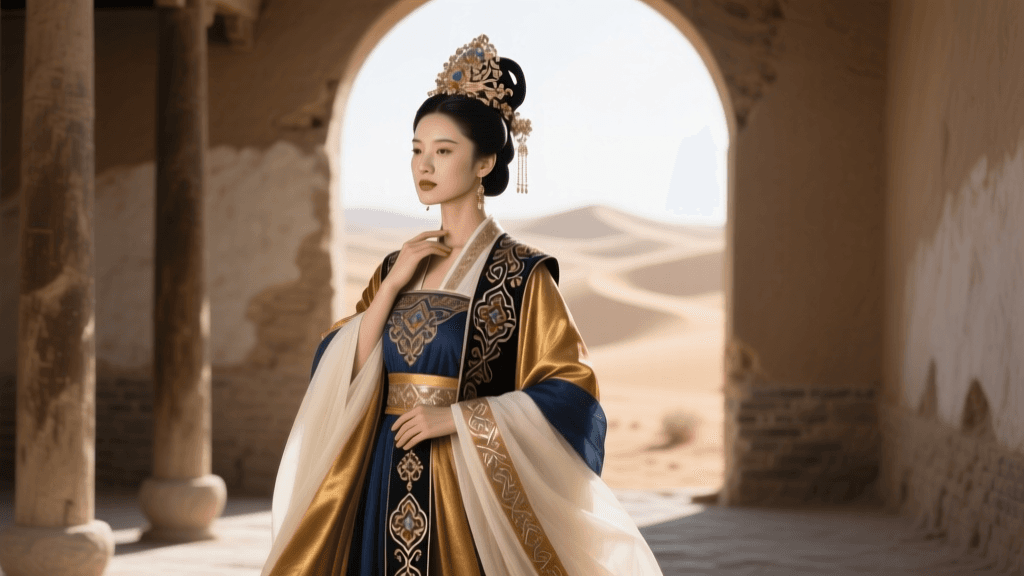
The Silk Road was not merely a conduit for spices, jade, and precious metals; it was the ancient world's most vibrant runway. Spanning from the Han Dynasty through the cosmopolitan zenith of the Tang Dynasty (618–907 AD), these interconnected trade routes facilitated an unprecedented exchange of culture, technology, and fashion. According to UNESCO's Silk Roads Programme, the movement of Sogdian merchants, Turkic nomads, and Han Chinese diplomats created a melting pot of sartorial innovation that permanently altered the trajectory of Asian traditional garments.
For modern enthusiasts of Asian traditions, understanding this cross-cultural pollination is essential. The garments born from these trade routes—specifically the Tang Dynasty yuanlingpao (round-collar robe) and the vibrant, ikat-woven textiles of the Uyghur people—remain highly sought after today. This guide explores the historical intersection of Han and Western Regions (Xiyu) fashion, providing actionable advice on how to source, measure, and style these historically significant garments in the modern era.
Cross-Cultural Garments: The Rise of Hufu and the Yuanlingpao
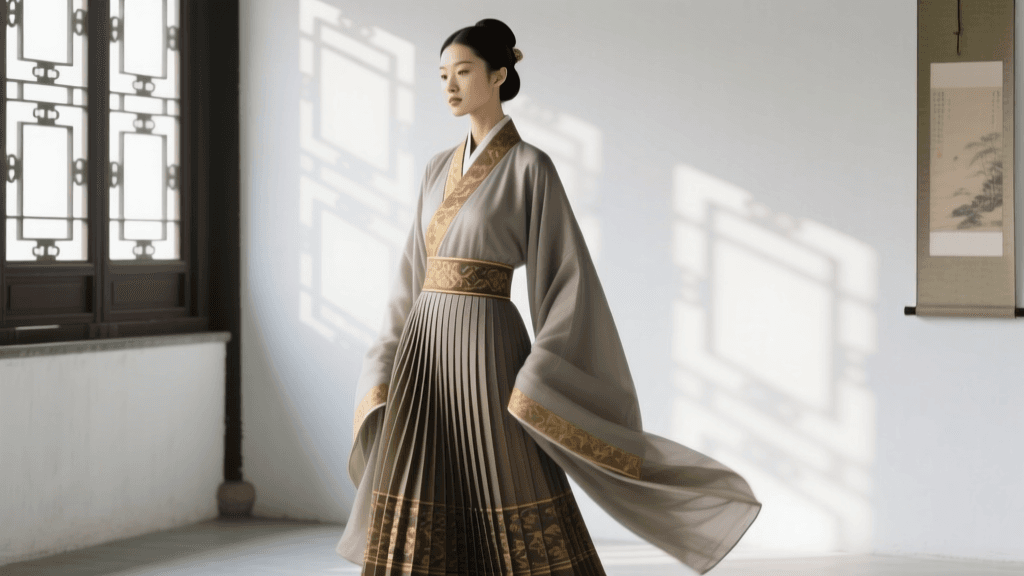
Before the Tang Dynasty, traditional Hanfu was characterized by the shenyi (deep robe) and ruqun (jacket and skirt), featuring crossed collars (jiaoling) and wide, flowing sleeves. However, the influx of nomadic cultures from the northern steppes and Central Asia introduced Hufu—a term historically used to describe "foreign" or "nomadic" clothing. Hufu was prized for its equestrian practicality, featuring narrow sleeves, fitted bodices, and trousers.
The most enduring legacy of this cultural exchange is the yuanlingpao, or round-collar robe. Originally adopted from Sogdian and Turkic riding coats, the Tang court elevated the yuanlingpao to official court attire. It featured a circular neckline, a leather or silk belt (die-xie belt) for carrying tools or weapons, and side slits for horseback riding. As noted in Britannica's historical overview of the Silk Road, the integration of foreign motifs—such as the Sasanian pearl roundel and confronted animals—into Chinese silk weaving (specifically weft-faced compound twill, or samite) demonstrates how deeply Central Asian aesthetics penetrated the Han Chinese heartland.
Uyghur Traditional Dress and the Legacy of the Tarim Basin
While the Tang court absorbed Western influences, the oasis cities of the Tarim Basin (modern-day Xinjiang) developed their own distinct sartorial identity, heavily influenced by their position as middlemen on the Silk Road. Traditional Uyghur clothing is a masterclass in adapting to extreme desert climates while showcasing immense wealth and artistry.
The cornerstone of Uyghur traditional dress is Atlas silk, a vibrant, ikat-dyed fabric characterized by bold, blurred geometric and floral patterns. Historically, the complexity of the Atlas pattern indicated the wearer's social status. Men and women alike wear the Chapan, a long, quilted or silk coat, often layered over trousers or dresses. The ensemble is typically crowned with a Doppa, a meticulously embroidered, four-cornered skullcap. The cross-cultural influence here is evident: the cut of the Chapan shares structural DNA with the Mongolian deel and the Persian khalat, proving that the Silk Road was a two-way street of fashion evolution.
Practical Guide: Sourcing and Styling Silk Road Garments Today
For collectors, reenactors, and fashion enthusiasts looking to incorporate these historical garments into their wardrobe, sourcing authentic pieces requires specific knowledge of the modern market.
1. Sourcing Authentic Replicas and Textiles
- Tang Dynasty Yuanlingpao: For historically accurate replicas, avoid generic costume shops. Search Taobao or specialized Hanfu retailers using the exact Chinese terms: "唐制圆领袍" (Tang-style round-collar robe) or "唐代胡服" (Tang-era Hufu). Reputable brands like Shisan Yu (十三余) or Zhongling (钟灵记) offer museum-grade replicas. Cost: $80 to $250 USD. Timing: Pre-orders are common; expect a 30-45 day manufacturing window, plus 15 days for international shipping via agents like Superbuy or Pandabuy.
- Uyghur Atlas Silk and Chapans: Genuine Atlas silk is best sourced directly from artisans in Hotan or Kashgar. On platforms like Etsy or specialized Central Asian textile importers, search for "Vintage Uzbek Ikat" or "Xinjiang Atlas Silk Chapan." Cost: $120 to $400 USD for vintage or hand-loomed pieces. Timing: Shipping from Central Asia or Western China can take 3 to 6 weeks.
2. Essential Measurements for the Yuanlingpao
Traditional Chinese tailoring relies on flat-cutting, meaning the garment is constructed from straight pieces of fabric without the complex darts and curved seams of Western tailoring. When ordering a yuanlingpao, provide the following measurements to ensure an authentic drape:
- Shoulder & Sleeve Length: Unlike modern suits, the shoulder seam should drop significantly. Measure from the base of your neck, over the shoulder, and down to the wrist. For an authentic Tang silhouette, add 10-15 cm (4-6 inches) so the sleeves extend past the fingertips, allowing for the traditional "folded hands" posture.
- Chest/Bust: Measure the fullest part of your chest and add 15-20 cm (6-8 inches) for ease. The robe must wrap comfortably over the inner layers (zhongyi).
- Hem Circumference: A proper Tang court robe features a generous hem to allow for the side slits. Ensure the total hem circumference is at least 2.5 to 3 times your waist measurement.
Comparison Chart: Traditional Hanfu vs. Tang Hufu (Yuanlingpao)
| Feature | Traditional Hanfu (e.g., Shenyi/Ruqun) | Tang Hufu / Yuanlingpao |
|---|---|---|
| Collar Style | Crossed collar (Jiaoling), always left over right. | Round collar (Yuanling), fastened with a button or tie at the right shoulder. |
| Sleeves | Broad, sweeping, and open (Paoxiu or Guangxiu). | Narrow, fitted at the wrist (Zhexiu) for equestrian mobility. |
| Waist & Belt | Tied with a wide silk sash or fabric belt. | Cinched with a structured leather Die-xie belt featuring metal plaques and hanging straps. |
| Primary Motifs | Clouds, cranes, plum blossoms, dragons. | Pearl roundels, confronted lions, boar heads, lotus (Sogdian/Sasanian influence). |
| Footwear | Silk slippers or woven straw sandals. | Leather riding boots with upturned toes. |
Caring for Silk Road Textiles
Garments inspired by the Silk Road, particularly those made of silk samite or Atlas ikat, require meticulous care to preserve their structural integrity and vibrant dyes. According to conservation guidelines outlined by The Metropolitan Museum of Art's Heilbrunn Timeline of Art History, historical silks are highly susceptible to photodegradation and moisture damage.
- Washing: Never machine wash Atlas silk or brocade yuanlingpao. Hand wash in cold water (below 20°C / 68°F) using a pH-neutral detergent specifically formulated for protein fibers, such as Eucalan or The Laundress Delicate Wash. Do not wring the fabric; instead, press the water out by rolling the garment in a clean, dry cotton towel.
- Drying and Ironing: Always dry flat in the shade. Direct sunlight will rapidly fade the natural dyes used in traditional ikat. Iron on the lowest silk setting while the garment is still slightly damp, and always use a pressing cloth to prevent water spots and scorch marks.
- Storage: Store heavy Chapans and robes on wide, padded wooden hangers to support the shoulder seams. For long-term storage, fold the garments with acid-free tissue paper and place them in a breathable cotton garment bag. Avoid plastic, which traps moisture and encourages mildew.
Conclusion
The garments born from the Silk Road are more than mere historical artifacts; they are woven testaments to human connection, adaptation, and shared artistry. Whether you are donning a meticulously tailored Tang Dynasty yuanlingpao with its Sogdian pearl roundels, or wrapping yourself in the vibrant, desert-born hues of a Uyghur Atlas silk Chapan, you are participating in a cross-cultural dialogue that has spanned millennia. By understanding the historical context, mastering the proper measurements, and committing to the careful preservation of these textiles, modern wearers can keep the vibrant legacy of the Silk Road alive for generations to come.