Decoding Kimono Fashion Trends in Edo Period Ukiyo-e Art
The Intersection of Kimono and Ukiyo-e Woodblock Prints
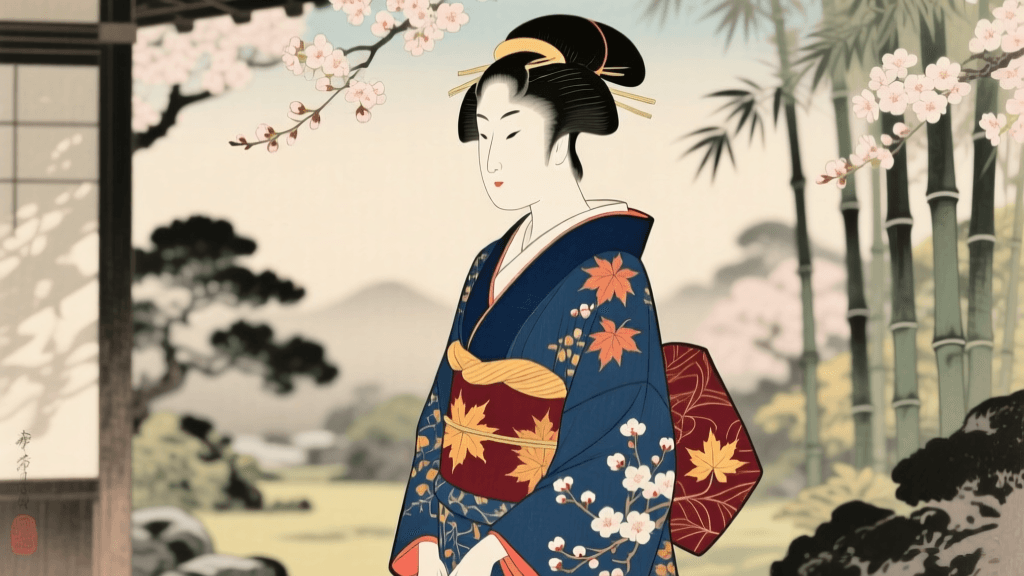
When exploring the rich tapestry of Asian traditions, few intersections are as visually captivating and historically revealing as the relationship between the traditional Japanese kimono and ukiyo-e woodblock prints. Ukiyo-e, translating to "pictures of the floating world," emerged as a dominant art form during the Edo period (1603–1867). While these prints are celebrated for their sweeping landscapes and dramatic kabuki actor portraits, they also served as the ultimate fashion lookbooks of their era. According to the Metropolitan Museum of Art's Heilbrunn Timeline of Art History, ukiyo-e artists meticulously documented the evolving styles, textiles, and patterns of the kosode—the direct precursor to the modern kimono—transforming everyday garments into canvases of cultural expression.
For historians, textile enthusiasts, and collectors, ukiyo-e offers a practical, visual archive of Edo-period fashion. By learning how to "read" these prints, you can decipher the social status, seasonal awareness, and aesthetic preferences of the wearer, providing invaluable context for understanding historical Japanese dress codes.
Decoding Kimono Motifs: Status, Season, and Symbolism
In the Edo period, sumptuary laws strictly regulated the fabrics, colors, and patterns that different social classes could wear. The merchant class (chonin), though wealthy, was forbidden from wearing ostentatious silks or certain luxurious dyes. In response, they developed a sophisticated visual language of subtle elegance, hidden linings, and highly symbolic motifs. Ukiyo-e artists like Kitagawa Utamaro and Suzuki Harunobu captured these nuances with incredible precision.
Seasonality was paramount in Japanese dress. Wearing a motif out of season was considered a major faux pas, a rule that still applies to formal kimono dressing today. Below is a structured guide to the most common kimono motifs depicted in ukiyo-e and their underlying meanings.
| Motif | Season | Symbolism & Meaning | Common Wearer in Ukiyo-e |
|---|---|---|---|
| Sakura (Cherry Blossoms) | Spring | Ephemeral beauty, renewal, the fleeting nature of life | High-ranking courtesans, young unmarried women |
| Sho-Chiku-Bai (Pine, Bamboo, Plum) | Winter / New Year | Resilience, longevity, auspicious beginnings | Married women, formal ceremonial occasions |
| Kiku (Chrysanthemums) | Autumn | Nobility, rejuvenation, imperial connections | Aristocrats, wealthy merchants, older women |
| Asanoha (Hemp Leaf) | Year-round | Healthy growth, protection against evil spirits | Children, young actors, casual summer yukata |
| Seigaiha (Ocean Waves) | Summer | Men, kabuki actors, summer festival attendees |
The "Fashion Influencers" of the Edo Period
Just as modern celebrities dictate global fashion trends, the celebrities of the Edo period were the oiran (high-ranking courtesans) of the Yoshiwara pleasure district and the onnagata (female-role kabuki actors). Ukiyo-e prints featuring these figures, known as bijinga (pictures of beautiful women), were essentially fashion plates. Women across Japan would study these prints and take them to their local dyers and weavers to replicate the latest obi tying styles, color combinations, and hem patterns.
As highlighted during the Victoria and Albert Museum's landmark Kimono: Kyoto to Catwalk exhibition, the cross-pollination between stage costumes, pleasure quarter fashion, and everyday merchant dress created a vibrant, rapidly changing textile economy that ukiyo-e artists were eager to document and sell to the public.
Hinagata-bon: The Fashion Magazines of the Edo Period
Beyond single-sheet prints, the Edo period saw the rise of hinagata-bon (pattern books). These woodblock-printed books were the equivalent of modern fashion magazines or textile swatch books. They featured black-and-white outlines of kimono designs, allowing merchants and customers to browse the latest trends. Some high-end hinagata-bon included hand-colored stencils or metallic powders to simulate gold-leaf embroidery and shibori (tie-dye) textures.
Collector's Tip: Authentic Edo-period hinagata-bon are highly collectible today. When searching antique markets or specialized Japanese book dealers, look for the publisher's seal and the presence of benigirai (vegetable reds) which often fade to a distinct mustard-brown over centuries, helping to authenticate the age of the paper.
Practical Guide: Viewing Ukiyo-e Kimono Art Today
For those looking to study the intersection of traditional garments and woodblock art firsthand, several world-class institutions offer unparalleled access to these fragile works. Because ukiyo-e prints are highly sensitive to light, museums rotate their collections frequently. Here is an actionable guide to planning your visit.
1. Ota Memorial Museum of Art (Tokyo, Japan)
- Focus: Dedicated entirely to ukiyo-e, with a heavy emphasis on bijinga and fashion-centric prints by Utamaro and Sharaku.
- Cost: Approximately 1,000 JPY (around $7 USD) for general admission.
- Timing: Exhibits rotate on the 1st of every month. The museum is closed on Mondays and between exhibitions. Allocate 90 minutes for a quiet viewing.
- Actionable Advice: Visit during the first week of a new rotation to see the prints before they are potentially swapped out for light-sensitivity reasons.
2. Victoria and Albert Museum (London, UK)
- Focus: The V&A holds one of the most comprehensive collections of Japanese textiles and ukiyo-e outside of Japan.
- Cost: General admission is free. Special exhibitions may require a ticket (£15–£20).
- Timing: Weekday mornings are least crowded.
- Actionable Advice: Book an appointment with the V&A's Textile Study Room. This allows you to view fragile Edo-period kosode garments alongside the ukiyo-e prints that depict them, offering a rare 3D-to-2D comparative study.
3. Art Institute of Chicago (Chicago, USA)
- Focus: Home to the Clarence Buckingham Collection of Japanese Prints, featuring over 12,000 ukiyo-e works.
- Cost: $32 for adults (Free admission days are available for Chicago residents or on specific evenings).
- Timing: Allow at least 2 hours. The Asian art wing is expansive.
- Actionable Advice: Search their online digital archive before visiting. The AIC has digitized thousands of prints; you can request specific hinagata-bon or textile-focused prints to be pulled from the archives for viewing in the print study room.
Tips for Aspiring Ukiyo-e Collectors
Collecting ukiyo-e prints featuring kimono fashion is a rewarding pursuit, but it requires a keen eye for condition and authenticity. Here are practical metrics to keep in mind when evaluating pieces at auction houses or specialized galleries:
- Budgeting: Late Meiji or Taisho-era actor prints can be found for $50 to $150. However, pristine Edo-period bijinga by masters like Utamaro or Harunobu will range from $800 to well over $5,000, depending on rarity and condition.
- Condition Checking: Look for "fugitive pigments." Early vegetable dyes, especially reds and purples, fade quickly. A print where the kimono's red plum blossoms have faded to pale yellow or brown indicates prolonged light exposure, which significantly lowers the value.
- Paper Quality: Authentic Edo prints are made from washi (mulberry paper). Hold the print to the light; you should see the organic, fibrous texture of the paper. Machine-made, uniformly smooth paper is a red flag for modern reproductions.
- Trimming: Many historical prints were trimmed to fit into albums. A print with full, intact margins (where the woodblock's impression mark, or baren edge, is visible) commands a premium price.
Conclusion
The woodblock prints of the Edo period are far more than beautiful artworks; they are meticulous historical records of Japanese textile arts, social stratification, and seasonal aesthetics. By understanding the motifs, the printing techniques used to simulate silk textures, and the cultural context of the wearers, we can fully appreciate the kimono not just as a garment, but as a dynamic, living art form. Whether you are studying the archives of the Ota Memorial Museum of Art or hunting for your first Edo-period pattern book, the floating world of ukiyo-e fashion continues to offer endless inspiration for lovers of Asian traditions.