Destination Wedding Kimonos: Planning Your Japanese Nuptials
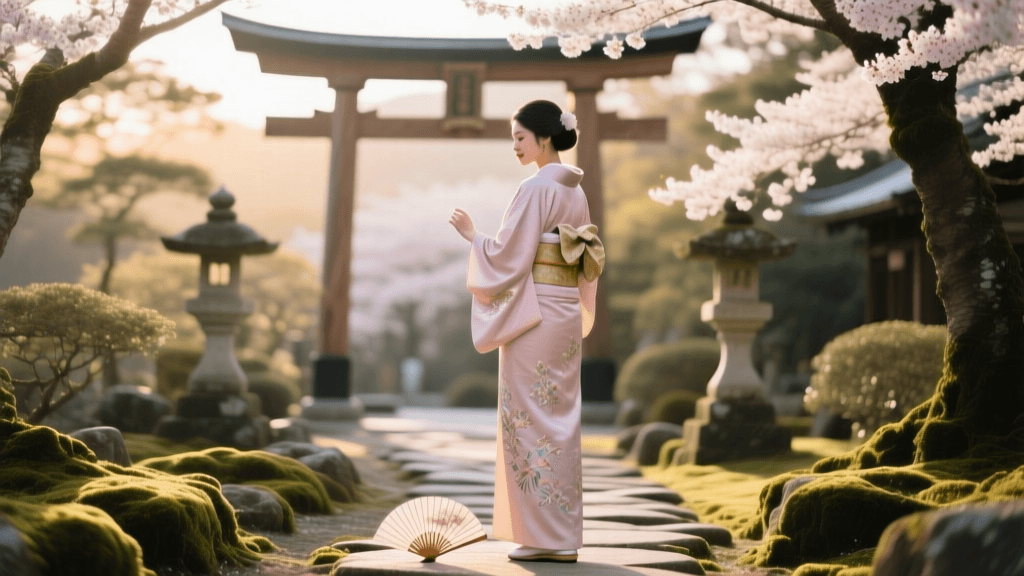
The Allure of the Traditional Japanese Destination Wedding
Planning a destination wedding is a complex endeavor, but choosing Japan as your backdrop adds an unparalleled layer of cultural richness, aesthetic beauty, and historical depth. For couples seeking to honor Japanese heritage or immerse themselves in the elegance of traditional garments, a kimono wedding—whether a formal Shinzen Shiki (Shinto shrine ceremony) or a luxurious hotel reception—is a profound experience. However, executing a flawless event in traditional attire requires meticulous logistical planning, an understanding of garment structures, and careful timeline management.
According to the Japan National Tourism Organization, regional destinations like Kanazawa, Kyoto, and Takayama have seen a surge in international couples seeking authentic cultural ceremonies. Navigating this requires more than just picking a beautiful garment; it demands an understanding of the physical and logistical realities of wearing traditional Japanese formalwear.
Selecting the Bridal Silhouette
The term "kimono" is often used as a catch-all, but bridal formalwear consists of highly specific garments, each with its own rules of wear and cultural significance.
Shiromuku (The Pure White Kimono)
The Shiromuku is the most formal bridal attire, traditionally worn during the Shinto ceremony. Every element, from the undergarments to the outer robe and accessories, is pure white. This symbolizes the bride's purity and her willingness to be "dyed" in the colors of her new family. The ensemble is heavily padded and weighs significantly more than standard formalwear, often requiring the bride to adopt a specific, gliding posture.
Iro-Uchikake (The Colored Outer Robe)
Worn during the reception or as an alternative ceremony garment, the Iro-uchikake is a heavily brocaded, padded outer robe worn open over a base kimono (kakeshita). Modern brides often choose vibrant reds, deep purples, or gold-leafed black silk, featuring auspicious motifs like cranes, pine trees, or phoenixes. Unlike the Shiromuku, the Iro-uchikake allows for dramatic, personalized expression.
Hikizuri (The Trailing Kimono)
For brides who want the elegance of a trailing hem without the bulk of an Uchikake, the Hikizuri is an exquisite choice. Historically worn by aristocratic women, it features a long, padded hem that trails on the floor. It is tied with a formal Fukuro obi and is particularly popular for traditional tea ceremony weddings or intimate garden events.
The Anatomy of the Bridal Ensemble
As noted by the Victoria and Albert Museum, the kimono is not merely a single garment but a deeply structured cultural artifact composed of multiple layers. A bridal ensemble can consist of up to ten distinct layers, including:
- Hadajuban & Susoyoke: The foundational cotton undergarments that protect the silk and absorb perspiration.
- Nagajuban: A silk under-robe featuring a contrasting or coordinating eri (collar) that peeks out at the neckline.
- Kakeshita: The main base kimono, featuring a trailing hem and long, swinging sleeves (furisode).
- Uchikake: The heavy, unpadded or padded outer coat that is never tied with an obi, but rather allowed to drape and trail.
- Obi & Obi-jime: While the Uchikake is left open, the Kakeshita is secured with a luxurious brocade Maru obi or Fukuro obi, tied in an elaborate Bunko or Tateya knot, and secured with a braided silk cord (obi-jime).
Logistics: Renting vs. Purchasing vs. Vintage
Acquiring a bridal kimono for a destination wedding involves navigating international shipping, sizing limitations, and dressing services. Below is a comparison chart to help you decide the best route for your event.
| Acquisition Method | Estimated Cost (USD) | Lead Time | Pros & Cons |
|---|---|---|---|
| Local Rental (Japan) | $1,500 - $4,000 | 6-12 Months | Pros: Full service, professional dressing included, vast inventory. Cons: Strict return schedules, limited English support, standard sizing. |
| Purchase & Ship | $5,000 - $20,000+ | 4-8 Months | Pros: Ultimate keepsake, tailored to your exact measurements. Cons: High cost, requires hiring a separate kitsuke (dressing) artist in Japan. |
| Vintage / Antique | $800 - $3,000 | 2-5 Months | Pros: Unique historical motifs, eco-friendly, lower cost. Cons: Fragile fabrics, shorter sleeve lengths, requires expert restoration and cleaning. |
If you choose to rent locally in Japan, it is imperative to book your kitsuke (dressing) appointment simultaneously with your garment selection. Many high-end bridal salons in Tokyo and Kyoto offer "English OK" packages, but these book up over a year in advance for peak seasons like spring (cherry blossom) and autumn (maple leaf).
The Kitsuke Timeline: A Realistic Schedule
Dressing in a formal bridal kimono is a physical process that takes between 90 minutes to two hours. The garments are heavy—often weighing between 15 to 20 kilograms (33 to 44 lbs) once all layers, padding, and the obi are applied. Here is a realistic timeline for a 2:00 PM ceremony:
- 8:00 AM - Hair & Makeup: Brides typically wear a Bunkin Takashimada (a traditional bridal wig) or have their natural hair styled in a high, structured updo to support heavy kanzashi (hair ornaments).
- 9:30 AM - Kitsuke Begins: The dresser applies padding to create a cylindrical silhouette, which is the traditional ideal for kimono, completely flattening the bust and hips.
- 11:00 AM - Final Adjustments: The Uchikake is draped, and the collar is meticulously adjusted to show the exact traditional amount of nape (eri-nuki).
- 11:30 AM - Photography: Studio or immediate venue grounds photoshoot.
- 1:30 PM - Transit: Moving in a bridal kimono requires a specific gliding walk (shinogi) and the assistance of an attendant to carry the trailing hem.
- 2:00 PM - Ceremony Commences.
Venue Selection and Photography
The venue dictates the flow of your kimono wedding. Traditional Shinto shrines feature uneven stone paths, wooden stairs, and gravel, which can be treacherous for brides wearing elevated zori sandals and heavy hems. When planning outdoor photography, the Kyoto City Tourism Association recommends booking early morning slots at popular locations to avoid crowds and manage the physical toll on the bride.
Shrine vs. Hotel Venues
A Shinzen Shiki at a shrine like Meiji Jingu in Tokyo or Kamo Mioya in Kyoto offers unmatched spiritual ambiance. However, transit between the dressing room and the shrine often requires a chartered vehicle with high clearance and wide doors. Conversely, luxury hotels like The Ritz-Carlton Kyoto or Aman Tokyo offer in-house bridal salons, climate-controlled transit, and Western-style restrooms, which are infinitely easier to navigate while wearing a restrictive obi.
Seasonal Realities and Guest Attire
Japan's distinct seasons heavily influence kimono choices. For winter weddings (December to February), brides must incorporate a Uchikake lined with thick wadding and wear a plush velvet or silk Michiyuki (coat) during outdoor transit. Hand warmers (kairo) are discreetly tucked into the sleeves. Summer weddings (June to August) are notoriously hot and humid. Brides often opt for a Hitoe (unlined silk) or lightweight ro (gauze) base layer, though the sheer volume of clothing makes summer outdoor ceremonies physically grueling.
For guests, etiquette is equally important. Female guests should wear Homongi (visiting wear) or Tsukesage, ensuring their patterns do not overshadow the bride. Male guests typically wear a dark Western suit or a formal Montsuki Haori Hakama (crested jacket and pleated trousers) in black or charcoal grey, adorned with a white and silver striped hakata obi.
Final Thoughts on Cultural Respect
Embarking on a kimono destination wedding is a beautiful way to embrace Japanese traditions. It requires patience, a healthy budget, and a willingness to surrender to the structured, deliberate pace of traditional Japanese aesthetics. By understanding the layers, respecting the timelines, and choosing the right venue, your celebration will be a breathtaking homage to one of the world's most exquisite sartorial heritages.