The Complete Hanfu and Qipao Garment Care and Washing Guide
Introduction to Traditional Chinese Garment Care
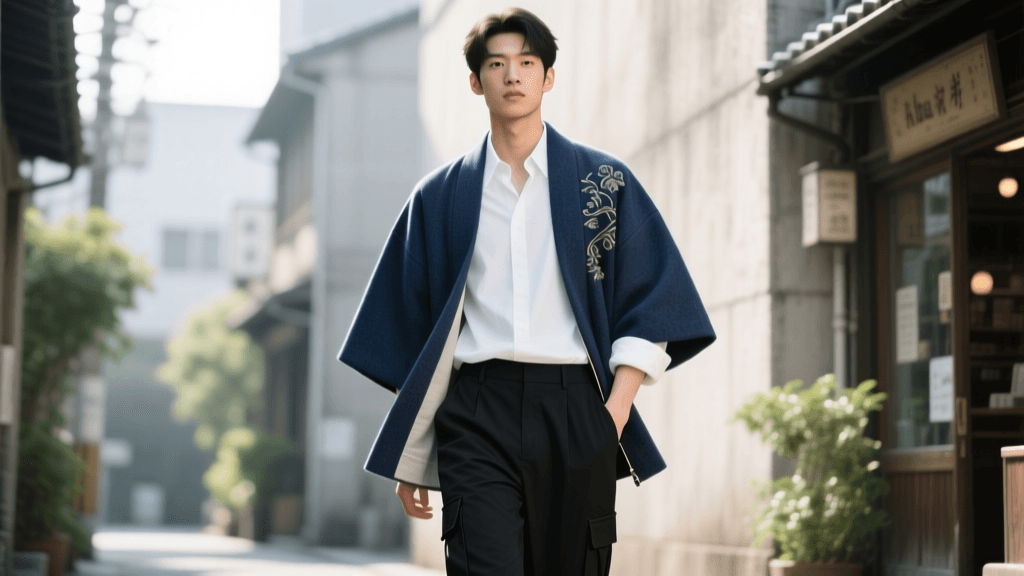
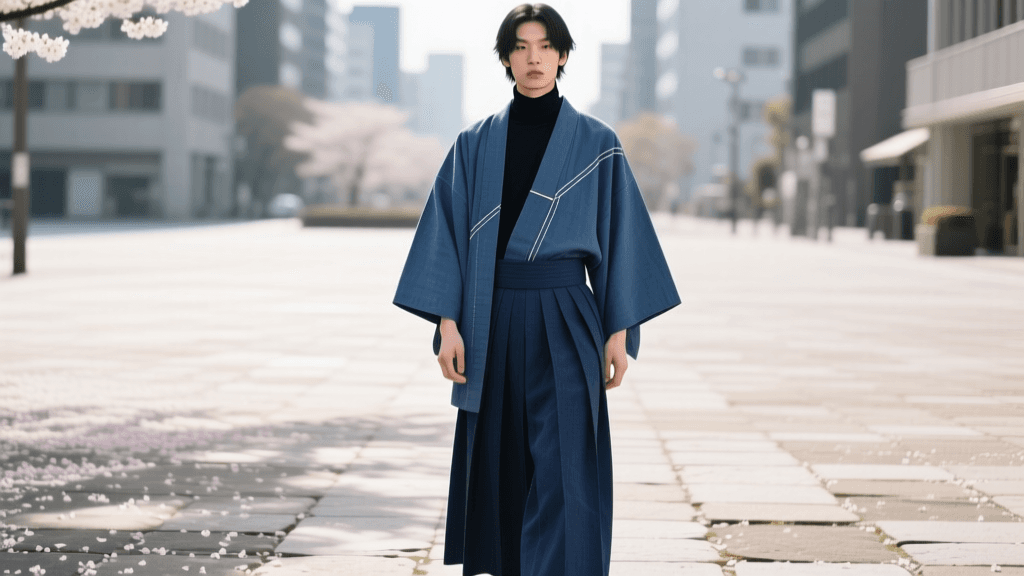
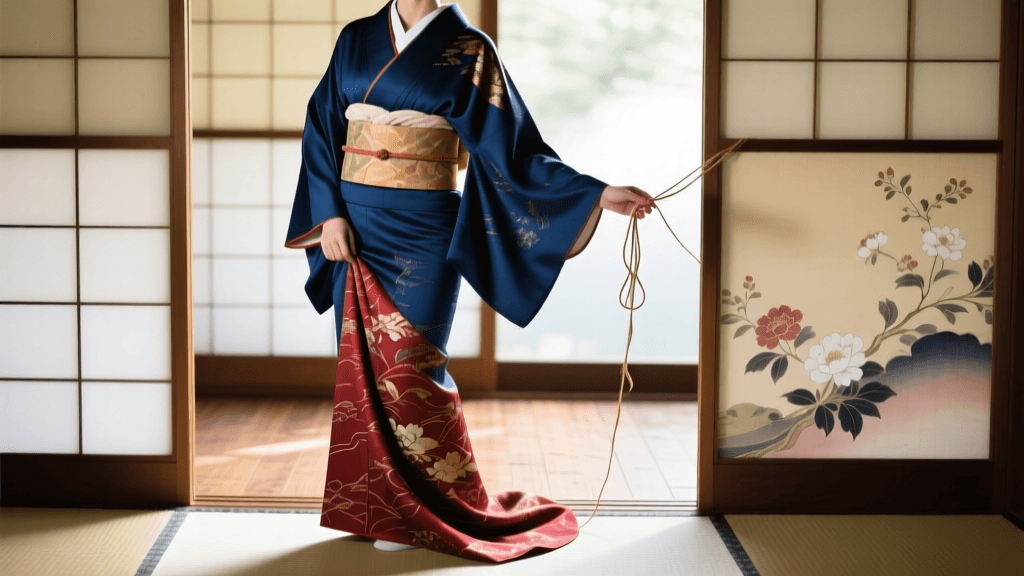
The global resurgence of traditional Chinese clothing has brought the elegant silhouettes of hanfu, the form-fitting sophistication of the qipao (cheongsam), and the modern fusion of Xin Zhongshi (New Chinese Style) into everyday wardrobes. Whether you are investing in a meticulously crafted Ming dynasty-style Mamian skirt or a modern silk-blend qipao for a wedding, these garments are significant cultural and financial investments. According to The Metropolitan Museum of Art, historical Chinese textiles are renowned for their complex weaving techniques and delicate natural fibers, which require specialized conservation and care to maintain their structural integrity and vibrant dyes.
Unlike modern fast fashion, traditional garments often feature intricate embroidery, delicate silk weaves, and structured brocades that can be easily ruined by standard laundry practices. This comprehensive guide will walk you through the practical, actionable steps required to wash, dry, iron, and store your hanfu and qipao, ensuring they remain pristine for generations.
Understanding Your Fabrics: Silk vs. Synthetic vs. Blends
Before applying any water or detergent to your garment, you must identify the fabric composition. The care requirements for a 100% mulberry silk Ruqun differ vastly from a polyester-blend Xin Zhongshi jacket.
- Mulberry Silk and Charmeuse: Highly breathable and luxurious, but extremely sensitive to alkaline detergents, high heat, and friction. Silk fibers can lose up to 20% of their strength when wet.
- Song Brocade and Zhuanghua (Metallic Threads): Often used for formal Mamian skirts and qipao overlays. These feature metallic yarns that will tarnish or snap if agitated in water. These must strictly be dry-cleaned or spot-cleaned.
- Polyester Chiffon and Organza: Common in affordable, everyday hanfu. These are durable, colorfast, and machine-washable on gentle cycles, making them ideal for travel and frequent wear.
- Cotton and Linen Blends: Frequently used in Song dynasty-style Beizi and modern Xin Zhongshi daily wear. They are breathable but prone to severe wrinkling and shrinkage if washed in hot water.
Fabric Care Comparison Chart
Use the following structured table as a quick reference guide for your specific garment types.
| Fabric Type | Wash Method | Water Temp | Detergent Type | Ironing Temp | Storage Method |
|---|---|---|---|---|---|
| 100% Silk (Charmeuse/Crepe) | Hand-wash only | Cold (Max 30°C/86°F) | pH-neutral (e.g., Eucalan) | Low (110°C/230°F) + Press Cloth | Padded hanger, breathable cover |
| Song Brocade / Metallic | Dry-clean / Spot-clean | N/A | N/A | Do not iron directly; use steamer | Flat storage, acid-free tissue |
| Polyester Chiffon | Machine (Delicate cycle) | Cool (Max 40°C/104°F) | Mild liquid detergent | Low/Medium (130°C/266°F) | Standard hanger or folded |
| Cotton/Linen Blends | Hand or Machine (Gentle) | Cold (Max 30°C/86°F) | Color-safe detergent | High (150°C/302°F) with steam | Folded in cedar-lined drawer |
Step-by-Step Washing Instructions
Hand-Washing Delicate Silk Hanfu and Qipao
When washing silk, the goal is to minimize friction and avoid alkaline chemicals. The American Cleaning Institute emphasizes that silk requires pH-neutral detergents to prevent the fibers from degrading and losing their natural luster.
- Preparation: Fill a clean basin or bathtub with cool water, strictly not exceeding 30°C (86°F). Add 1 to 2 capfuls of a pH-neutral delicate wash, such as Eucalan Fine Fabric Wash or The Laundress Delicate Wash (approximate cost: $15-$25 per bottle).
- Submersion: Gently submerge the garment. Do not rub, twist, or scrub the fabric. Swish it gently through the water.
- Soaking Time: Let the garment soak for exactly 3 to 5 minutes. Prolonged soaking can cause natural dyes to bleed and weaken the silk fibers.
- Rinsing: Drain the soapy water and refill with clean, cool water. Repeat until the water runs clear. Pro Tip: Add a tablespoon of distilled white vinegar to the final rinse to restore the silk's natural pH and enhance its shine.
- Water Removal: Never wring out silk. Lay the garment flat on a clean, dry, color-fast towel. Roll the towel up like a sleeping bag to gently press out excess moisture.
Machine-Washing Synthetic Blends and Xin Zhongshi
Modern Xin Zhongshi garments often blend traditional motifs with practical synthetic fabrics like polyester or rayon. While more forgiving, they still require care to protect embroidered patches and traditional frog button closures (Pankou).
- Always turn the garment inside out to protect surface embroidery and metallic prints.
- Place the item in a fine mesh laundry bag to prevent snagging on the machine drum or other clothing.
- Use the 'Delicate' or 'Hand-Wash' cycle with cold water and a low spin speed (maximum 400 RPM).
- Fasten all Pankou knots before washing to prevent them from stretching or tearing the fabric loops.
Drying and Ironing Techniques
Improper drying and ironing are the leading causes of irreversible damage to traditional garments. Direct sunlight will rapidly fade the rich reds, golds, and indigos typical of hanfu and qipao, while high heat will scorch silk and melt synthetic blends.
Drying: Always air-dry your garments in a well-ventilated, shaded area. For heavy items like a fully lined Mamian skirt, use a heavy-duty velvet or wide wooden hanger to support the weight of the wet fabric without creating shoulder dimples. For delicate silk tops (Shan), lay them flat on a mesh drying rack to prevent gravity from stretching the wet fibers. Expect air drying to take 12 to 24 hours depending on ambient humidity.
Ironing: According to textile conservation guidelines from the Victoria and Albert Museum, heat and moisture must be carefully controlled when pressing historical and delicate textiles. For silk, set your iron to the lowest heat setting (usually marked 'Silk' or 110°C/230°F). Crucial Step: Always use a cotton press cloth between the iron and the garment to prevent water spots and scorch marks. For heavily embroidered areas or metallic brocades, do not use a traditional iron; instead, use a handheld garment steamer held at least 5 centimeters (2 inches) away from the fabric to gently release wrinkles without crushing the 3D embroidery threads.
Proper Storage for Longevity
How you store your hanfu and qipao during the off-season is just as critical as how you wash them. Traditional garments are susceptible to moisture, pests, and structural deformation.
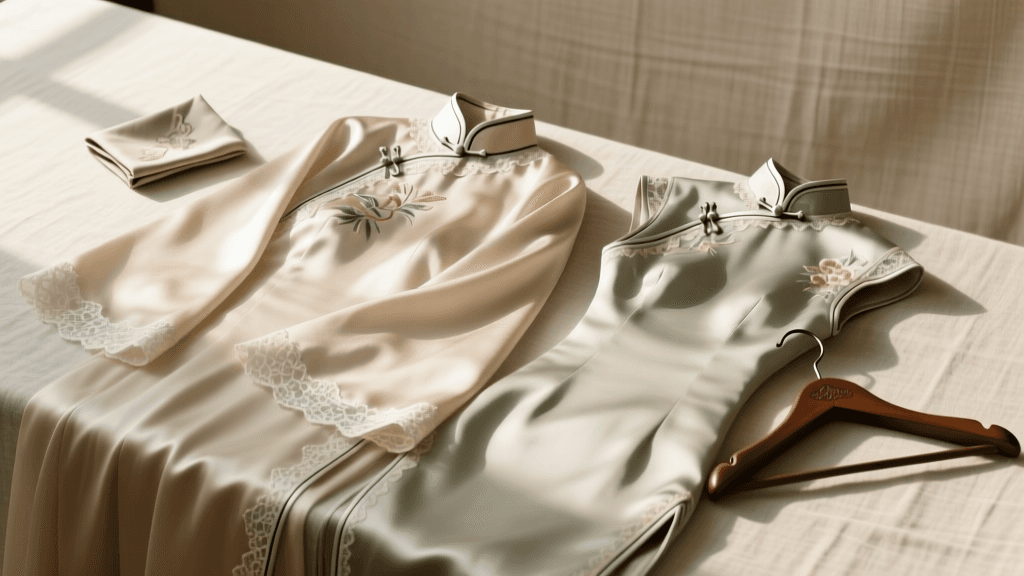
- Hangers: Discard wire hangers immediately. They will permanently distort the shoulders of a qipao and stretch the delicate collar bands of a hanfu top. Invest in Zober or similar premium padded hangers ($15 for a pack of 6) to maintain the garment's structural silhouette.
- Folding Heavy Skirts: Pleated Mamian skirts should ideally be hung. If you must fold them for travel or drawer storage, stuff the pleats with acid-free tissue paper to prevent hard creases from setting in over time.
- Pest Control: Avoid traditional chemical mothballs, as their harsh odors will permanently embed into silk fibers and can cause chemical reactions with natural dyes. Instead, use natural cedar wood blocks or lavender sachets, replacing them every 6 months to maintain their efficacy.
- Environment: Store garments in a cool, dark closet with a stable humidity level (ideally between 45% and 55%). Use breathable cotton garment bags rather than plastic dry-cleaning bags, which can trap moisture and cause yellowing or mildew.
Dealing with Stains and Intricate Embroidery
Accidents happen, especially during festive occasions like the Lunar New Year or Mid-Autumn Festival where food and tea are abundant. If you spill on a silk qipao, act immediately but gently. Blot (do not rub) the stain with a clean, white, lint-free microfiber cloth. For water-based stains, a light dab of distilled water can lift the residue. For oil-based stains, sprinkle a small amount of cornstarch or talcum powder over the spot, let it sit for 24 hours to absorb the oil, and then gently brush it off with a soft-bristled makeup brush.
For garments featuring extensive metallic thread work (such as traditional wedding qipao or ceremonial hanfu), home washing is strictly prohibited. The agitation and moisture will cause the metallic threads to oxidize, tarnish, and break. Seek out a professional dry cleaner who specializes in bridal or traditional ethnic wear. Expect to pay a premium for this service—typically ranging from $20 to $45 USD per garment—but it is a necessary cost to preserve the structural integrity of the embroidery.
Conclusion
Caring for hanfu, qipao, and New Chinese Style garments requires a shift away from the convenience of modern laundry routines toward a more mindful, deliberate approach to textile maintenance. By understanding the unique properties of silk, brocade, and synthetic blends, and by utilizing the correct temperatures, pH-neutral products, and storage methods, you can ensure that your traditional garments remain vibrant and structurally sound. Whether you are wearing a flowing Wei-Jin style Ruqun for a photography trip or a tailored silk qipao for a formal banquet, proper care guarantees that these beautiful expressions of Asian heritage will continue to be worn and cherished for years to come.