Modern Japanese Streetwear: Haori And Hakama Revival
The Neo-Trad Movement: Harajuku Meets Heritage
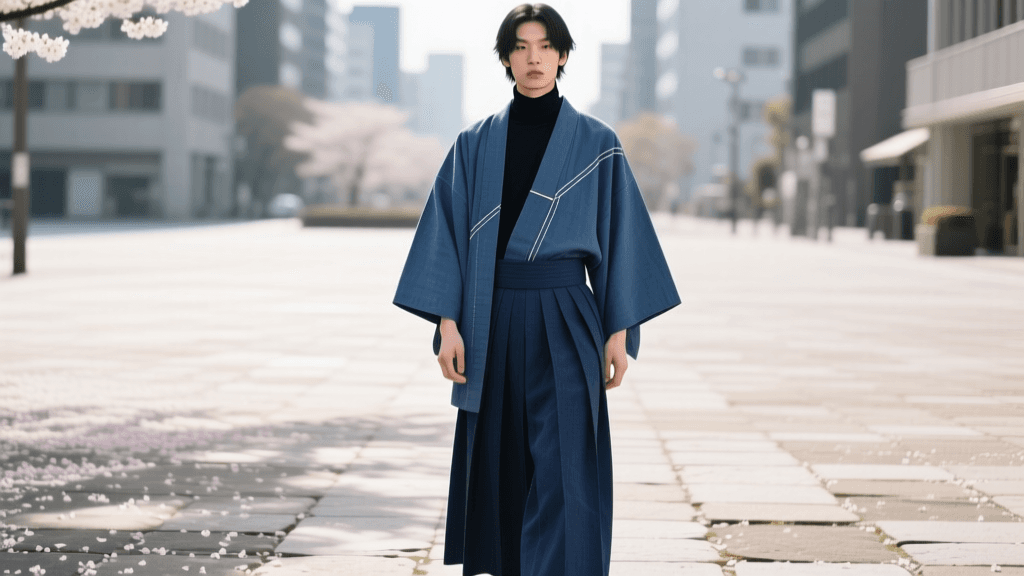
In the ever-evolving landscape of global fashion, Tokyo remains a relentless incubator for sartorial innovation. Over the past decade, a distinct subculture has emerged from the neon-lit alleys of Harajuku and the vintage-clad streets of Shimokitazawa: the Neo-Trad movement. This aesthetic rebellion rejects the total assimilation of Western streetwear, opting instead to excavate and modernize Japan’s own rich textile history. At the forefront of this revival are two iconic garments: the haori (a traditional hip- or thigh-length jacket) and the hakama (pleated, wide-leg trousers or skirts).
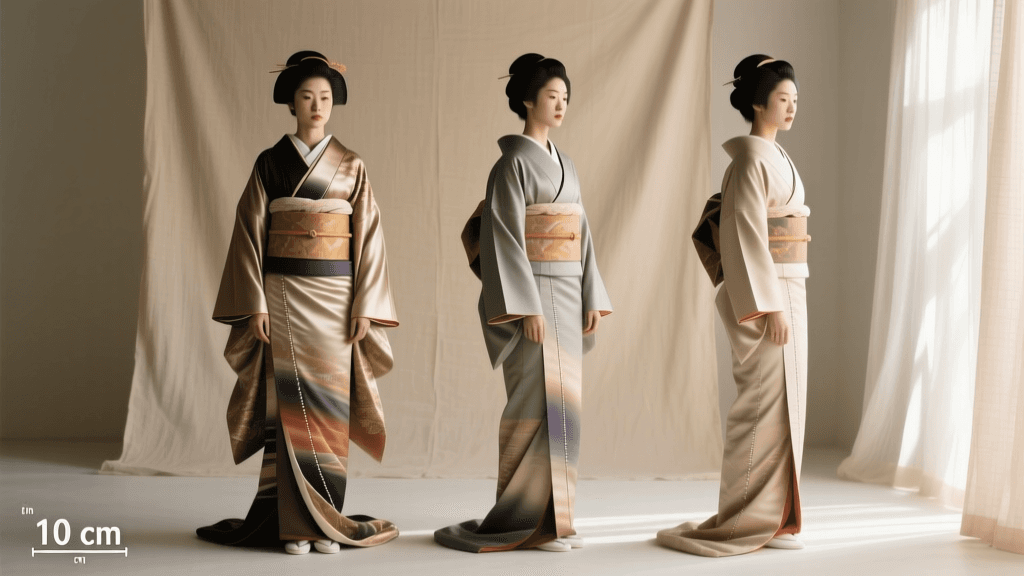
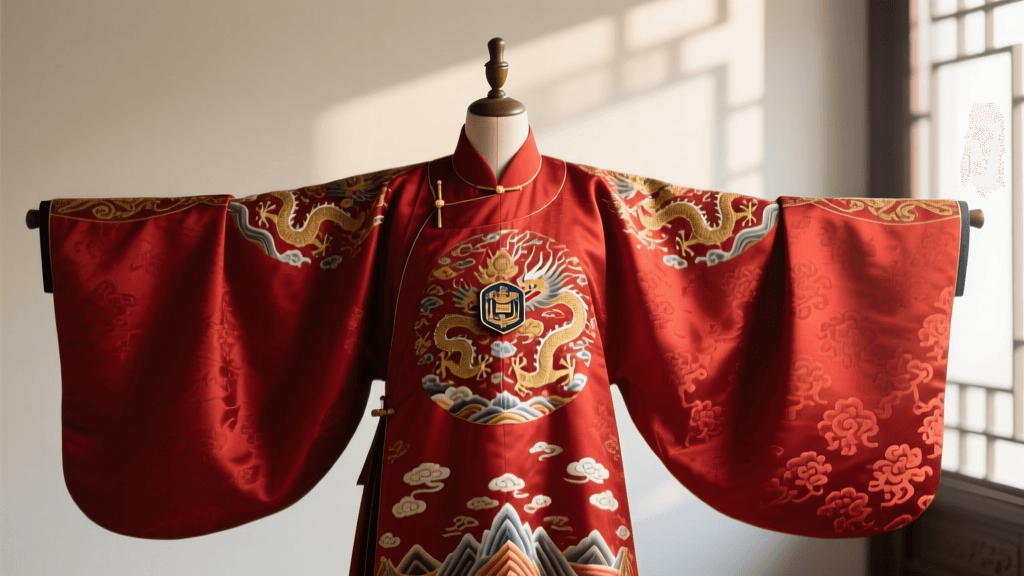
Unlike the rigid, highly codified rules of formal kimono wearing, Neo-Trad treats these historical garments as modular components for urban layering. As noted by historians at The Metropolitan Museum of Art, the kimono and its outer layers have always possessed a fluid, architectural quality that adapts to the wearer's environment. Today’s streetwear enthusiasts are leveraging this exact adaptability, blending indigo-dyed heritage fabrics with modern techwear silhouettes, chunky sneakers, and contemporary graphic tees.
Neo-Trad is not about wearing a historical costume; it is about extracting the architectural brilliance of Japanese heritage and applying it to the kinetic reality of urban life.
Deconstructing the Haori for Urban Layering
The haori was originally worn by samurai as a protective outer layer against the elements, later evolving into a staple of both male and female formal and semi-formal dress. In modern streetwear, the haori functions as the ultimate transitional outerwear piece, replacing the standard denim jacket or bomber. Its straight, T-shaped seams and open front create a striking, boxy silhouette that drapes effortlessly over oversized hoodies or turtlenecks.
Sizing, Proportions, and Drop-Shoulders
When integrating a haori into a streetwear rotation, understanding traditional measurements is crucial for achieving the right drape. The two most important metrics are the yuki (sleeve length measured from the center back of the neck to the wrist) and the mitake (back length from the base of the collar to the hem).
- Cropped Streetwear Haori: Look for a mitake between 65cm and 75cm. This hits right at the belt line, perfect for layering over longline t-shirts and maintaining visible waist proportions.
- Longline / Duster Haori: A mitake of 85cm to 105cm creates a dramatic, coat-like silhouette. This is ideal for winter layering over heavy knitwear or techwear cargo pants.
- Sleeve Drape: Traditional haori sleeves feature a deep, open underarm curve. This natural 'drop-shoulder' effect accommodates thick modern streetwear layers underneath without restricting arm movement.
Hakama: From Martial Arts to Techwear Silhouettes
If the haori provides the structural top layer, the hakama anchors the outfit with its sweeping, voluminous bottom half. Historically worn by court nobles and later by martial artists (such as in kendo and aikido), the hakama’s deep pleats and wide stance mirror the dropped-crotch and wide-leg trousers popularized by high-end techwear and avant-garde brands like Yohji Yamamoto and Rick Owens.
Modern Neo-Trad brands have re-engineered the hakama for the concrete jungle. While traditional hakama are made from heavy silk or stiff cotton and require complex tying (himo), streetwear adaptations often feature elasticized waistbands, hidden snap buttons, and durable ripstop nylon or sashiko-quilted cotton. This allows the garment to retain its dramatic, wind-catching movement while surviving the rigors of public transit and urban cycling.
Actionable Styling: Footwear and Accessories
The most common pitfall when styling hakama in a streetwear context is choosing the wrong footwear. Because the hakama’s hem is wide and often grazes the ankle or floor, bulky shoes are required to balance the visual weight of the pleats.
- The Chunky Sneaker: Shoes like the Salomon XT-6, Nike Air Max 95, or Balenciaga Track provide the necessary aggressive sole to peek out from beneath the sweeping fabric, grounding the outfit in modern sneaker culture.
- The Tabi Boot: For a more avant-garde approach, split-toe footwear like the Maison Margiela Tabi boot or modern interpretations by brands like Sou-Sou bridge the gap between Edo-period functionality and futuristic street style.
- Accessories: Swap the traditional silk haori himo (jacket cord) for a modern carabiner or a braided paracord. Add a crossbody bag worn over the haori to break up the boxy silhouette and add utilitarian depth.
Seasonal Timing and Fabric Selection
Timing your purchases and understanding fabric weights is essential for year-round styling. According to textile archives at the Victoria and Albert Museum, traditional Japanese garments are highly seasonal, a concept that translates perfectly to modern capsule wardrobes.
Spring/Summer: Seek out vintage yukata-weight cotton haori or linen-blend hakama. These breathable fabrics are perfect for cool summer evenings. Look for open-weave fabrics like ro or sha (sheer silk gauze) if you want to experiment with transparent layering over tank tops.
Autumn/Winter: Transition to sashiko (decorative reinforcement stitching) and boro (patchworked) textiles. Heavy indigo-dyed cotton and wool-blend haori provide exceptional wind resistance. Layering a lightweight down vest under a winter haori is a staple Neo-Trad technique for surviving Tokyo’s biting January winds without sacrificing the garment's clean outer lines.
Brand Spotlight and Cost Guide
Whether you are hunting for authentic vintage pieces or investing in modern re-engineered garments, the market offers options across various price points. Below is a comparison chart to help you navigate the Neo-Trad landscape.
| Category | Source / Brand Examples | Average Cost (USD) | Best For |
|---|---|---|---|
| Vintage / Recycle | Shimokitazawa thrift shops (Chicago, Kinji, Flamingo) | $20 - $60 | Authentic textiles, unique patterns, sustainable fashion |
| Neo-Trad Ready-to-Wear | Sou-Sou, Modernique, Tsujikura | $120 - $280 | Everyday streetwear, elastic waists, machine-washable fabrics |
| Heritage Denim / Sashiko | Kapital, Visvim, Blue Blue Japan | $300 - $800+ | Heavyweight winter layering, premium indigo dyeing, collector pieces |
| Avant-Garde / Techwear | Yohji Yamamoto, Julius, Acronym (Hakama-inspired) | $400 - $1,500+ | High-fashion silhouettes, technical nylon, futuristic aesthetics |
Sourcing, Care, and Maintenance
For those outside of Japan, sourcing authentic vintage haori and hakama is easier than ever through specialized proxy services and online archives. Platforms like eBay, Depop, and dedicated Japanese vintage exporters offer vast selections. When buying vintage, always check the eri (collar) for stains and the underarm areas for fabric weakness, as these are high-stress points in older silk garments.
Care instructions vary wildly between vintage and modern pieces. Vintage silk haori should never be machine washed; they require professional dry cleaning or careful spot-cleaning and airing out in the shade. Conversely, modern streetwear adaptations from brands like Sou-Sou are often made from polyester-cotton blends specifically designed for machine washing, making them highly practical for daily urban wear. For heavy indigo sashiko pieces, wash them inside out in cold water with a pH-neutral detergent to preserve the depth of the natural dye.
Conclusion
The integration of haori and hakama into modern Japanese streetwear is a masterclass in cultural continuity. It proves that traditional garments are not static relics confined to museum displays or coming-of-age ceremonies, but living, breathing design templates. By understanding the proportions, sourcing the right fabrics, and pairing these pieces with contemporary footwear and accessories, anyone can participate in the Neo-Trad movement. As the global fashion industry continues to search for deeper meaning and sustainability, the architectural brilliance of Japan's heritage wear offers a timeless, functional, and undeniably stylish path forward. For ongoing trends and designer collaborations in this space, following dedicated streetwear coverage on platforms like Hypebeast remains an excellent way to track how Japanese designers continue to blur the line between ancient tradition and tomorrow's trends.